


HPV is one of the most common sexually transmitted infections. Most women encounter HPV at some point in their lives. While this virus may sometimes disappear without being noticed, it can sometimes cause changes in cervical cells. Especially women who are planning to become pregnant wonder, “Does HPV prevent pregnancy?” or “Can I have a baby while HPV positive?”
In this article, we will explain the effects of HPV on fertility, pregnancy planning and the pregnancy process with scientific data.
What Is HPV and How Is It Transmitted?
HPV (Human Papilloma Virus) is a family of viruses transmitted through skin contact. There are more than 200 subtypes, and some of them can cause genital warts, while others can cause cervical cancer. HPV is usually transmitted through unprotected sexual intercourse, skin-to-skin contact, and rarely through shared towels or underwear. In women, it can cause infection in the vagina, cervix, and external genital area; in men, it can infect the penis and around the anus.
In most cases, the immune system clears the virus within 1–2 years. However, in some people, the virus may become persistent and cause cellular changes. This requires regular monitoring during the fertility process.
The Effect of HPV on Reproductive Health
HPV (Human Papilloma Virus) is one of the most common sexually transmitted infections seen in both women and men. In most cases, the immune system clears the virus within a few years, but in some situations, the virus may become persistent. This may indirectly affect fertility in women and reproductive potential in men.
HPV and Fertility in Women
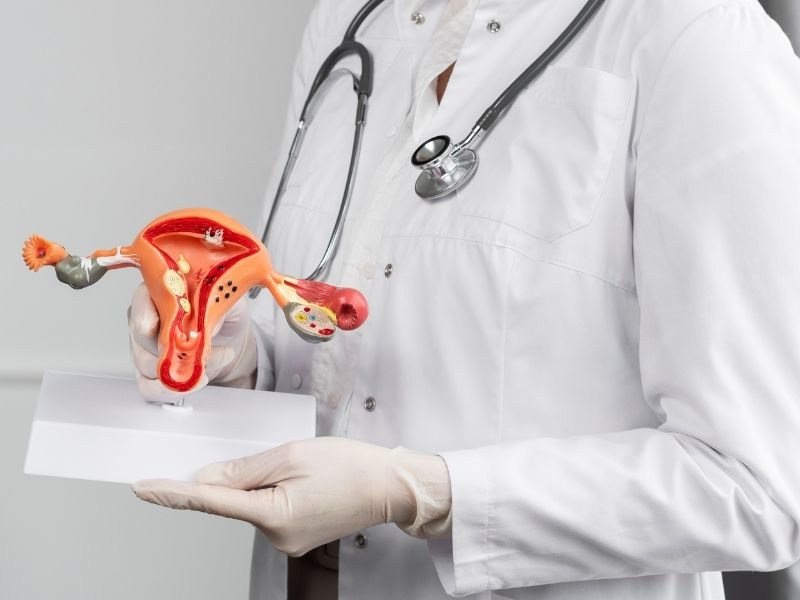
HPV infection does not directly damage reproductive organs such as the ovaries, fallopian tubes, or the uterine lining. Therefore, it is not a direct cause of infertility. However, cellular changes (CIN) caused in the cervix or the treatment of these changes may indirectly affect fertility.
-
Cervical lesions and treatments: Procedures such as LEEP or conization performed due to HPV-related cellular deterioration may cause narrowing of the cervix. This can make it difficult for sperm to pass into the uterus.
-
Cervical mucus: Chronic HPV infection can disrupt the structure of cervical mucus. This can make it harder for sperm to reach the uterus.
-
Immune system and lifestyle: Smoking, stress, and weakened immunity may cause the virus to remain in the body for a longer time. This may delay the pregnancy process.
In conclusion, HPV does not directly prevent fertility; however, changes in the cervix and treatment processes may affect pregnancy planning.
HPV and Reproductive Potential in Men
HPV infection can also affect reproductive health in men. The virus may infect cells in the penis, scrotum, or urethra, indirectly impairing sperm structure and quality.
-
Sperm quality: Some studies show that HPV binds to the surface of sperm, reducing mobility. This lowers the likelihood of sperm reaching the egg.
-
Sperm DNA damage: HPV infection can damage sperm cell DNA; even if fertilization occurs, this may cause problems in embryo development.
-
Transmission risk: A man carrying HPV may transmit the virus to his partner. This may cause cervical changes in the woman, indirectly affecting the pregnancy process.
HPV in men often shows no symptoms and may be transmitted unknowingly. Therefore, it is important for both partners to be evaluated, especially for couples planning pregnancy.
Does HPV Affect Getting Pregnant?
The question “Does HPV prevent pregnancy?” is a common concern among women carrying the virus. In most cases, it does not prevent pregnancy. The virus does not directly affect ovulation, fertilization, or implantation of the embryo in the uterine wall. However, changes in the cervix or treatments applied to that area may temporarily delay pregnancy planning.
If a woman who is HPV positive is diagnosed with CIN (cervical intraepithelial neoplasia), the recommended treatment should be completed and the cervix should be allowed to heal. This healing process usually takes 2–3 months. Once cervical tissue returns to normal, pregnancy planning can continue.
There is no medication that directly eliminates HPV itself, but lesions and warts caused by the virus can be successfully treated. These lesions can be removed by procedures such as cauterization, cryotherapy (freezing), laser applications, or LEEP. Regular follow-up after treatment is extremely important for fertility.
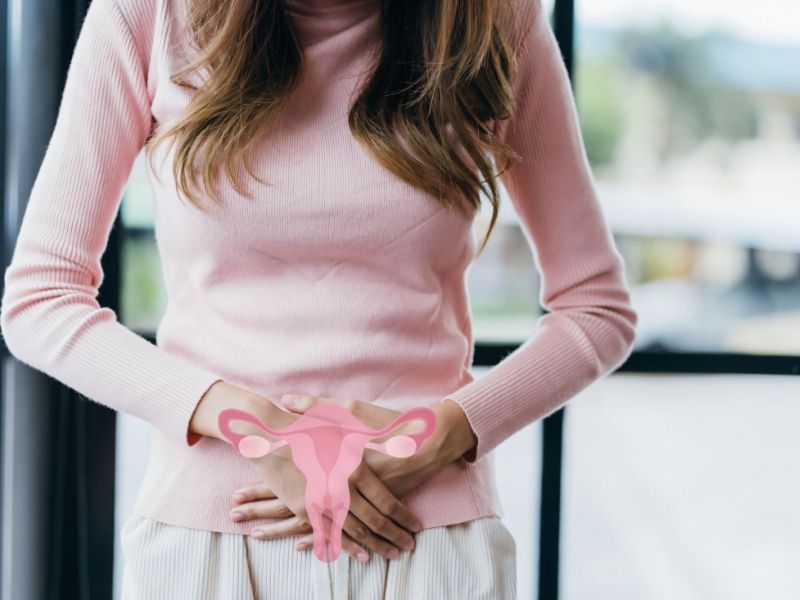
Being an HPV carrier does not prevent motherhood. However, proper planning, follow-up after treatment, and guidance from a gynecologist play a key role for a healthy pregnancy. In short, an HPV diagnosis does not make having a baby impossible; it simply requires careful monitoring and patience.
HPV, Cervical Cancer, and the Ability to Conceive
Some high-risk HPV types (especially HPV 16 and HPV 18) play a role in the development of cervical cancer. However, this does not mean that every HPV-positive woman will develop cancer. Pap smear and HPV DNA testing are therefore very important for women planning pregnancy. If the test is positive:
-
If there is no cellular abnormality, follow-up alone is sufficient.
-
If there are serious cellular changes, treatment is completed before pregnancy.
If cervical cancer is detected at an early stage, the success rate of treatment is very high. Therefore, HPV screening should be an essential part of pre-pregnancy routine checkups.
What Happens If HPV Occurs During Pregnancy?
Due to the natural weakening of the immune system, HPV may become reactivated during pregnancy.
In this case:
-
Genital warts may increase or grow.
-
Mild cellular changes may be seen in the cervix.
-
However, the virus usually does not harm the pregnancy.
The doctor usually monitors the condition during pregnancy. If treatment is needed, it is planned after delivery. The risk for the baby is very low, and most HPV-positive mothers give birth to healthy babies.
In summary, HPV infection is one of the most common sexually transmitted viruses in women; however, HPV does not prevent pregnancy. Most women carrying the virus can still experience a healthy pregnancy. HPV may delay pregnancy planning only when it causes cervical cellular changes or requires treatment. Therefore, every woman who wishes to become a mother should have regular HPV screening and Pap smear tests. With early diagnosis and proper follow-up, both fertility is preserved and potential cervical cancer risk is minimized.
You May Also Interested In

Approximately 15% of all known pregnancies end in loss, and recurrent pregnancy loss—…
Read more
We discharge mothers who have given birth from the hospital 24 hours after normal del…
Read more
The subject that expectant mothers are most curious about and worried about since the…
Read more
During the ovulation period the egg cell released from the ovary meets with one of th…
Read more