

IVF treatment is a process that requires both physical and emotional care. During this period, not only medical treatment but also nutritional habits directly affect the success rate. A healthy body and a balanced hormonal system play a decisive role in many stages, from egg and sperm quality to embryo development.
Therefore, the question “How should nutrition be during IVF treatment?” is one of the most common concerns. The right nutrition plan prepares the body for the treatment process and increases the chances of pregnancy.
The Importance of Nutrition During the IVF Process
Nutrition during the IVF process has a much greater impact than often assumed. Processes such as egg quality, sperm motility, and preparation of the uterine lining (endometrium) are closely related to dietary habits.
Increased oxidative stress in the body can cause cellular damage, negatively affecting egg and sperm health. Therefore, an antioxidant-rich and balanced diet contributes positively to the success of IVF treatment. Proper nutrition also regulates hormonal balance, reduces insulin resistance, and keeps body mass index (BMI) at optimal levels, increasing the chances of pregnancy.
How Should You Eat During IVF Treatment?
Before and during IVF treatment, the nutrition plan should play a supportive role for the body. Natural, balanced, and antioxidant-rich foods should be preferred.
1. Balance Your Protein Sources
Protein is a fundamental building block for cell regeneration and hormone production. However, instead of excessive consumption of animal protein, plant-based protein sources should also be included.
- Healthy animal proteins such as chicken, fish, and eggs
- Plant-based alternatives such as lentils, chickpeas, beans, and quinoa
This balance supports egg quality and regulates energy metabolism.
2. Choose Healthy Fats
During IVF treatment, a diet rich in omega-3 fatty acids is very important. Omega-3 strengthens egg and sperm cell membranes and supports the healthy development of the uterine lining.
- Olive oil, walnuts, almonds, avocado, and chia seeds
- Fatty fish such as salmon, mackerel, and sardines
These foods reduce inflammatory processes with their anti-inflammatory effects and contribute to hormonal balance.
3. Antioxidant-Rich Fruits and Vegetables
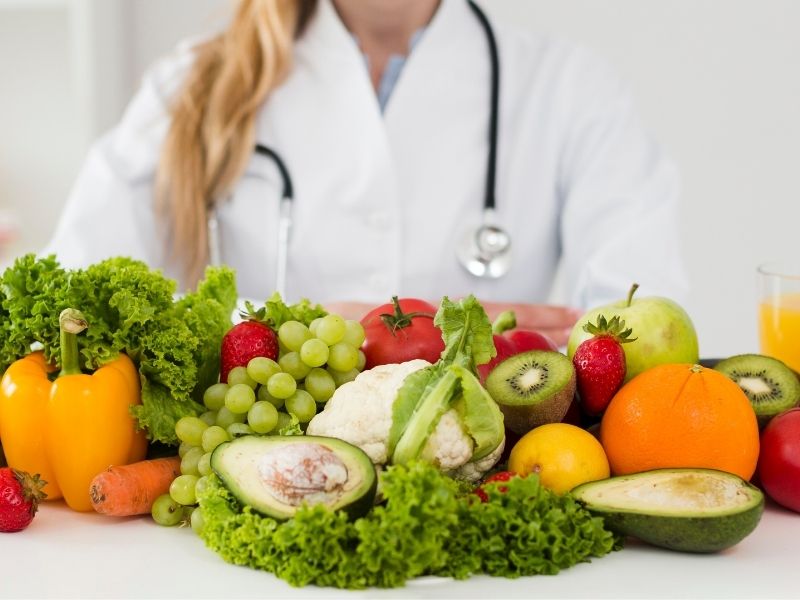
Antioxidants protect cells from the harmful effects of free radicals. This directly improves egg and sperm quality. Colorful fruits and vegetables (blueberries, pomegranate, broccoli, spinach, carrots, peppers, etc.) are rich in vitamins C and E.
Consuming at least five servings of fresh fruits and vegetables daily reduces oxidative stress and strengthens the immune system during treatment.
4. Low Glycemic Index Carbohydrates
Maintaining stable blood sugar is very important for hormonal regulation. Instead of white bread, rice, and sweets, whole grains, oats, buckwheat, and bulgur should be preferred. This reduces insulin resistance and supports regular ovulation.
5. Avoid Refined Sugar and Processed Foods
Excessive sugar intake disrupts hormonal balance and reduces egg quality. Women with polycystic ovary syndrome (PCOS) should limit sugary and packaged foods. Natural alternatives like fresh fruit or dates are healthier options.
6. Dairy Products and Calcium Support
Low-fat milk, yogurt, and kefir are valuable sources of calcium and probiotics. These foods balance gut flora and support immunity. However, high-fat dairy products and excessive milk consumption should be avoided.
7. Probiotic and High-Fiber Nutrition
Gut health is closely linked to reproductive health. Probiotic foods (kefir, yogurt, fermented vegetables) aid digestion, support detoxification, and may increase embryo implantation chances.
8. Pay Attention to Fluid Intake
Adequate water intake helps eliminate toxins and supports healthy cell function. Drinking 2–2.5 liters of water daily supports hormonal balance and regulates circulation. Excessive coffee and caffeine may negatively affect ovarian function, so intake should be limited.
Supplements During IVF Treatment
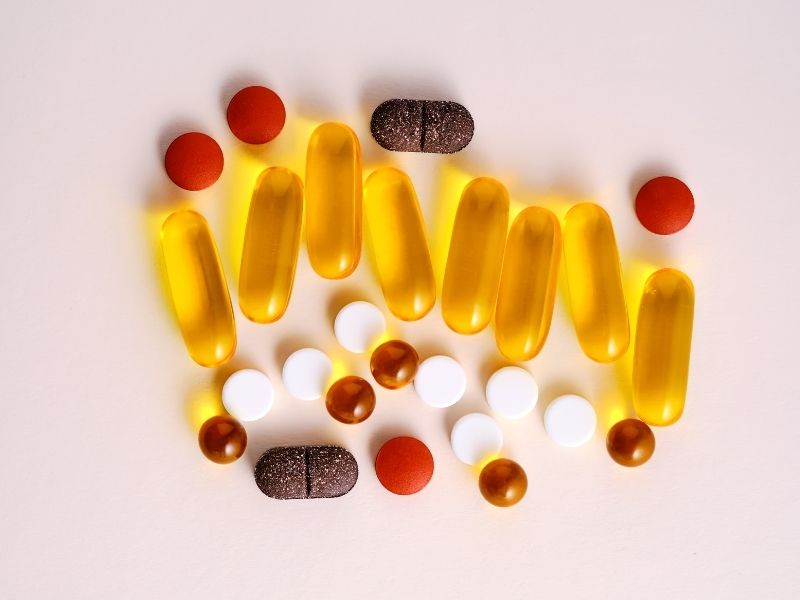
In addition to nutrition, supplementing certain micronutrients may be beneficial during the IVF process. However, these supplements must be taken under medical supervision.
- Folic acid: Supports embryo development and reduces the risk of neural tube defects.
- Vitamin D: Supports ovarian function and thickening of the uterine lining.
- Zinc and selenium: Preserve sperm quality and DNA integrity.
- Coenzyme Q10: Enhances cellular energy production and supports egg quality with its antioxidant effect.
Since each individual has different needs, the dosage of these supplements should be planned personally.
Excess Weight, Alcohol, and Salt Consumption
Excess weight is associated with ovulation disorders in women and low sperm quality in men. Obesity disrupts hormonal balance and may reduce IVF success. Excess salt increases bloating and affects circulation. Alcohol, smoking, and high caffeine intake lower the success rate of IVF treatment. Avoiding these habits increases the likelihood of a positive outcome.
Shared Nutrition for Couples
IVF treatment includes both the woman and the man. Therefore, both partners should adjust their eating habits. For men, foods rich in vitamin C, vitamin E, zinc, and selenium (such as nuts, almonds, leafy greens, pumpkin seeds) help improve sperm quality.
You May Also Interested In

Gynecological examination examines the health status of the organs in the reproductiv…
Read more
Pregnancy follow-up is carried out from the beginning to the end of pregnancy. It is …
Read more
Approximately 15% of all known pregnancies end in loss, and recurrent pregnancy loss—…
Read more
During the ovulation period the egg cell released from the ovary meets with one of th…
Read more