


Things Wondered About Menopause cover an important biological process that is a natural part of many women’s lives. Menopause, which typically occurs between the ages of 45 and 55, brings along many physical and emotional symptoms due to hormonal changes. In this period, it is extremely important for women to understand themselves better and take steps to maintain their quality of life. This article presents a wide range of information, starting from what menopause is to the factors influencing menopause, early symptoms, and cardiovascular health.
What Is Menopause?
Menopause is a natural process that indicates the end of a woman’s reproductive period. It is characterized by the permanent cessation of the menstrual cycle and typically occurs due to a decrease in the ovaries' estrogen and progesterone production. Menopause is not only a biological ending but also a sign that the body is entering a new phase. Medically, a menopause diagnosis is made when a woman has not had a menstrual period for at least 12 months. Since this process involves psychological adjustment in addition to physiological changes, it is very important for women to have the necessary information and support.
Biological Process of Menopause
The biological process of menopause begins with the decrease in ovarian reserves as women age. The drop in the estrogen hormone is the main cause of common symptoms such as hot flashes, night sweats, and emotional fluctuations. During this process, changes in the body’s hormonal balance can lead to a slowdown in metabolism, reduced bone density, and a decrease in skin elasticity. It is completely normal for each woman to experience this process differently, as genetic structure and lifestyle shape the level of hormonal effects.
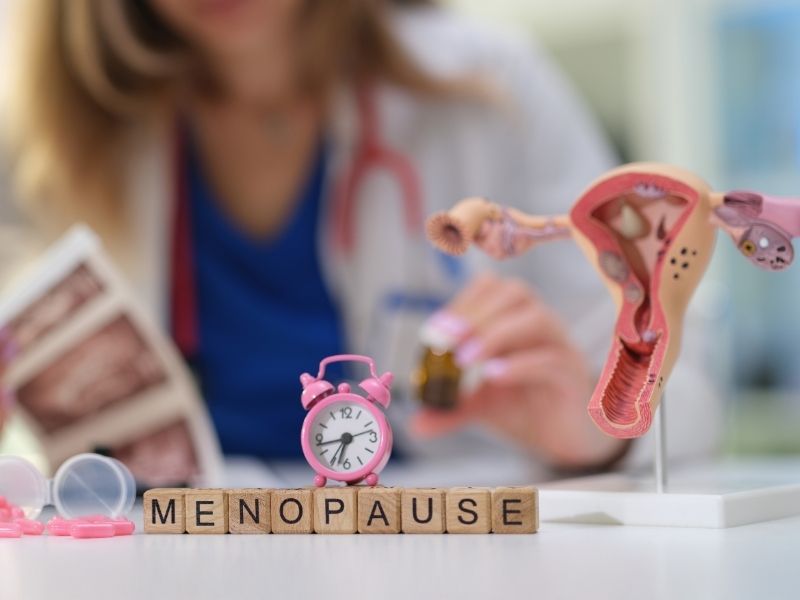
Signs of When Menopause Begins
To understand when menopause has begun, some signs need to be monitored. Menstrual irregularities, an increase or decrease in bleeding amount, and changes in the interval between periods generally indicate the beginning of perimenopause. During this period, sensitivity in body temperature regulation may increase, sleep patterns may be disrupted, and mood swings may occur. Monitoring these signals makes it easier to understand that menopause is approaching.
Early Symptoms of Menopause
The early symptoms of menopause may begin so mildly that they often go unnoticed. Mild hot flashes, occasional emotional fluctuations, concentration difficulties, or mild sleep problems are among these early signals. In some women, these symptoms are short-lived, while in others, they may continue for many years. Especially irregular menstrual cycles are one of the first important signs of menopause for many women. Recognizing the symptoms early allows timely lifestyle adjustments.
Factors Affecting the Menopause Process
The menopause process is influenced by a variety of factors. Genetic structure is largely related to the menopause age of a mother or close female relatives. Smoking, stress level, chronic diseases, nutritional habits, and physical activity significantly affect the onset age of menopause and the severity of symptoms. Adopting a healthy lifestyle can significantly reduce the negative effects of menopause.
Psychological Symptoms of Menopause
Psychological symptoms during menopause are quite pronounced. Due to hormonal fluctuations, anxiety may increase, emotional sensitivity may develop, and stress management may become more difficult. Some women may experience depressive feelings, which can affect their daily quality of life. Receiving emotional support, maintaining open communication, and seeking psychological counseling if necessary can provide great benefit.
Quality of Life After Menopause
The quality of life after menopause does not necessarily have to paint a negative picture, contrary to what many women may think. When supported with correct information and healthy lifestyle habits, this period can turn into a balanced and peaceful process. With the decrease in hormonal changes, some women express that they feel more emotionally stable. Additionally, the end of menstrual periods can provide a more comfortable flow and sense of freedom in daily life. At this stage, it is important to correctly interpret the signals the body gives and implement necessary care strategies. Regular doctor check-ups, maintaining a proper nutrition plan, and evaluating psychological support play significant roles in improving post-menopausal quality of life.
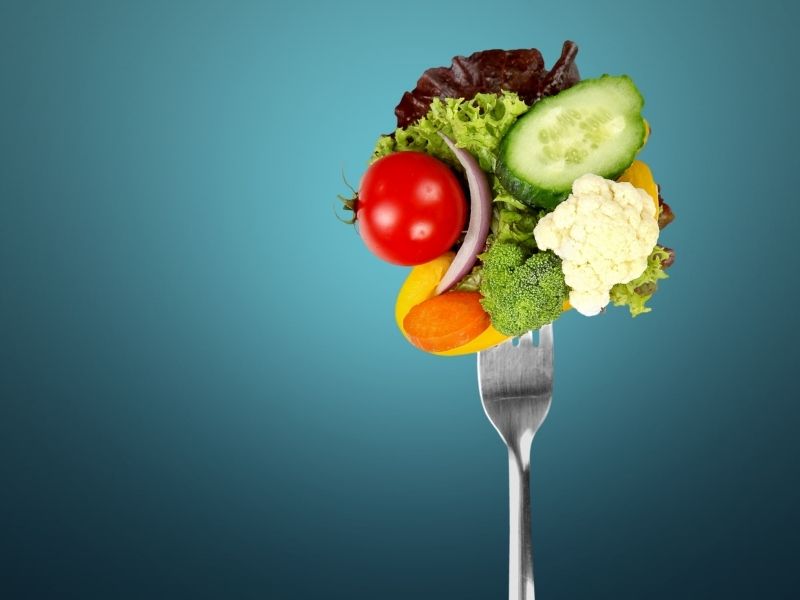
Nutritional Recommendations During Menopause
Nutrition during menopause is very important due to fluctuating hormone levels. Metabolism may slow down during this period, so balanced and careful food consumption is necessary. Foods rich in calcium and vitamin D protect bone health, while omega-3 fatty acids contribute both to heart health and emotional balance. Vegetables and fruits high in fiber help regulate the digestive system. Reducing excessive sugar and processed food consumption can support hormonal balance. Regular water intake may also help alleviate hot flashes experienced during menopause. Overall, a natural and varied diet helps women strengthen both physically and emotionally during this period. For more information, reliable health sources such as the World Health Organization can be visited.
The Importance of Exercise During the Menopause Process
The importance of exercise during menopause is becoming increasingly prominent. Regular physical activity plays a major role in reducing both physical and emotional symptoms of menopause. Exercise helps maintain muscle mass and contributes to balancing reduced bone density caused by hormonal fluctuations. Light-paced walks, yoga, swimming, and strengthening exercises are highly beneficial during this period. Exercise also supports mental health by reducing stress levels. Regular sports help regulate heart rhythm and speed up metabolism, making weight control easier. For this reason, women in the menopause period are advised to include at least moderate physical activity in their daily lives.
Cardiovascular Health During Menopause
Cardiovascular health during menopause may become more sensitive as estrogen levels decrease. Estrogen is a powerful hormone that protects the vascular structure, and when it decreases, the risk of cardiovascular diseases may increase. Therefore, women going through menopause need to pay more attention to heart health. Exercising regularly, reducing smoking and alcohol consumption, and keeping stress levels balanced are important steps to minimize cardiovascular risks. Additionally, choosing foods low in saturated fat and reducing salt intake support heart health. Regular blood pressure and cholesterol checks help detect potential risks early. Paying attention to heart health during menopause is one of the most important ways to maintain a healthier and more active life in older age.
Frequently Asked Questions About Menopause
At What Age Does Menopause Begin?
It typically begins between the ages of 45 and 55, but lifestyle, genetic structure, and health status can affect this age range.
How Long Do Menopause Symptoms Last?
Symptoms may last a few years in some women and much longer in others. It generally varies between 4 and 8 years.
Is It Possible to Delay Menopause?
It cannot be completely delayed, but healthy lifestyle habits can help make the menopause process more balanced.
Why Does Menopause Affect Weight?
Hormonal changes slow down metabolism and may increase fat storage. Proper nutrition and exercise can help balance this situation.
Is Low Sexual Desire Normal During Menopause?
Due to hormonal fluctuations, decreased sexual desire is common. Medical support can be sought if necessary.
Is Hormone Therapy Harmful During Menopause?
Every woman's health condition is different. Therefore, hormone therapy should be evaluated and recommended by a specialist.
You May Also Interested In


Menopause diagnosis is usually made by evaluating the person's age, changes in the me…
Read more
Non-hormonal treatments for menopause may be considered for the management of hot fla…
Read more
Menopause symptoms may include changes in menstrual patterns, hot flashes, night swea…
Read more