

What Is Progesterone?
Progesterone is a sex hormonethat plays a fundamental role in the female reproductive system. It is often called the “pregnancy hormone” because it has key functions both in regulating the menstrual cycle and in maintaining pregnancy. In the female body, the largest portion of this hormone is produced in the ovaries (corpus luteum) after ovulation. Smaller amounts are also secreted by the adrenal glands and by the placenta during pregnancy.
The presence of progesterone in the body is essential for maintaining fertility, preparing the uterine lining for pregnancy, preserving hormonal balance, and supporting emotional stability. Therefore, an imbalance in progesterone levels can directly affect both the menstrual cycle and overall female health.
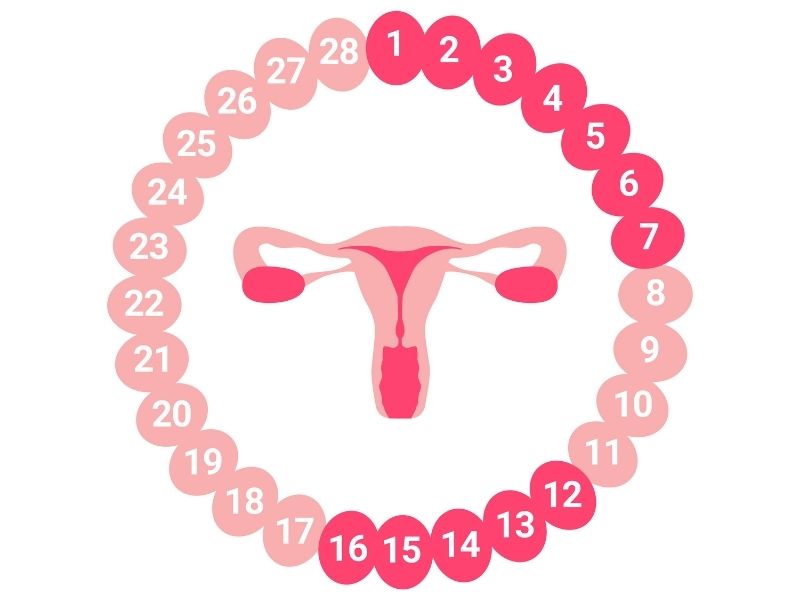
After ovulation, the progesterone levelrises rapidly and prepares the uterine tissue for a possible pregnancy. If fertilization does not occur, the hormone level decreases, the uterine lining sheds, and menstruation begins. If pregnancy occurs, progesterone remains high; this prevents contraction of the uterine muscles and allows the embryo to attach securely to the uterine wall.
Progesterone also works together with estrogen to maintain hormonal balance. While estrogen supports the growth of the uterine lining, progesterone prevents this tissue from thickening excessively. The balance between these two hormones is crucial for a healthy menstrual cycle and fertility.
What Does Progesterone Do?
The functions of progesterone are not limited to the reproductive system; it is at the center of a complex regulatory mechanism that affects many functions of the female body.
1. Regulates the Menstrual Cycle
Progesterone becomes active in the menstrual cycle during the second half, known as the luteal phase. After ovulation, this rising hormone thickens the uterine lining, creating a suitable environment for the fertilized egg to implant. If pregnancy does not occur, progesterone drops and menstruation begins. If this process progresses regularly, the cycle is healthy.
2. Prepares the Uterus for Pregnancy
Progesterone is one of the most critical hormones after fertilization. It prevents the uterine muscles from contracting and ensures that the embryo attaches firmly to the uterine wall. This helps prevent early pregnancy loss. It also creates the necessary environment for the embryo’s nourishment until the placenta develops.
3. Maintains the Continuation of Pregnancy
After pregnancy occurs, progesterone production is largely maintained by the placenta. As long as the hormone level remains high, the uterine muscles stay relaxed, the risk of preterm birth decreases, and pregnancy progresses healthily. It also supports the development of milk ducts, preparing the body for breastfeeding.
4. Maintains Hormonal Balance
Progesterone plays a balancing role against the effects of estrogen. It suppresses complaints caused by high estrogen levels, such as edema, irritability, breast swelling, or migraine-like symptoms. Therefore, having sufficient progesterone levels also helps alleviate premenstrual syndrome (PMS) symptoms.

5. It Affects Mood and Sleep
Progesterone is closely related not only to the reproductive system but also to the nervous system. By acting on “GABA receptors” in the brain, it promotes relaxation, reduces anxiety, and increases sleep quality. Therefore, women experiencing low progesterone often have insomnia, irritability, and restlessness.
6. Effects on Skin and Metabolism
Progesterone, together with estrogen, also plays a role in maintaining skin health. Balanced hormone levels help regulate skin moisture and reduce acne formation. Additionally, due to its body-temperature-increasing effect, a slight rise in temperature is observed after ovulation; this may serve as a natural clue for women tracking ovulation.
Progesterone Deficiency and Excess
Progesterone deficiency may occur due to ovulation problems, stress, thyroid diseases, or age-related factors. In this case, symptoms such as menstrual irregularity, risk of early miscarriage, breast tenderness, emotional fluctuations, and fatigue may appear. In women trying to conceive, progesterone deficiency may prevent the embryo from attaching to the uterus.
Excess progesterone usually develops due to external hormone treatments or birth control pills. In this case, fatigue, headaches, oily skin, weight gain, and mood changes may appear. In both cases, the correct diagnosis is made through a progesterone test and the treatment plan is determined by a gynecologist.
You May Also Interested In

HPV is a type of virus called ‘Human Papilloma Virus’. HPV is a DNA virus specific to…
Read more
Individuals go through childhood, adolescence, adulthood and old age, starting from t…
Read more

Colposcopy is a method of examining the cervix with digital or binocular microscope-l…
Read more