
Hysteroscopic fibroid surgery is a modern surgical method for removing fibroids located inside the uterine cavity, which can cause problems such as irregular periods, heavy bleeding, or pregnancy-related issues, without making an incision in the abdomen. The procedure is performed by entering the uterus through the vagina, and a camera system provides a direct view of the inside of the uterus. This way, only the fibroid causing the problem is targeted and healthy uterine tissue is preserved.
This method is commonly preferred today, especially because it provides treatment without disrupting the structure inside the uterus. With hysteroscopy, both diagnosis and treatment can be performed in the same session.
Which Fibroids Can Be Removed with Hysteroscopy?
The fibroids that can be treated with hysteroscopy are submucosal fibroids, which extend into the uterine cavity. These fibroids affect the inner surface of the uterus and can cause heavy menstrual bleeding, anemia, and in some cases pregnancy-related problems. Fibroids located on the outer surface of the uterus or deep within the muscle layer are not suitable for this method. For this reason, not every fibroid can be removed hysteroscopically. The location of the fibroid, its size, and its relationship to the uterine cavity are the key criteria in choosing the treatment method.
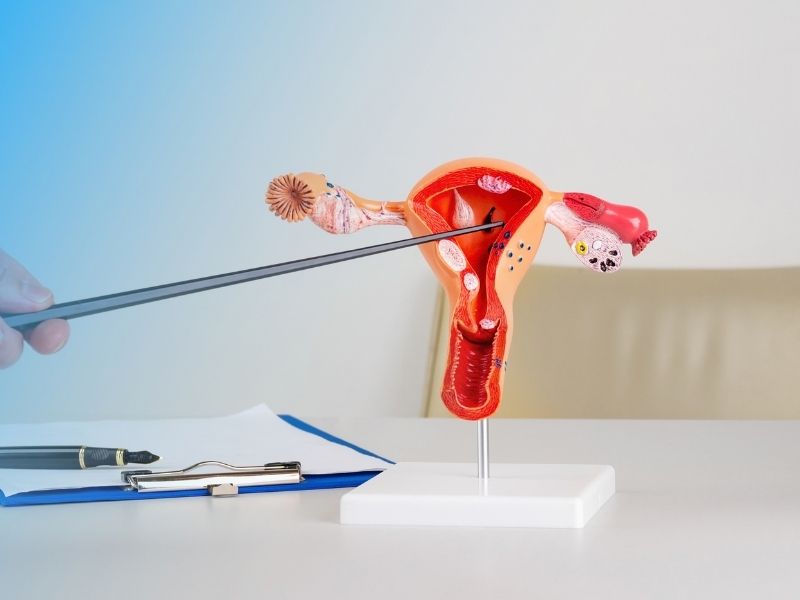
How Is Hysteroscopic Fibroid Surgery Performed?
Hysteroscopic fibroid surgery is generally a short and controlled procedure. The uterus is reached through the vagina by passing through the cervix, and the fibroid is clearly visualized with the help of a camera. Using special surgical instruments, the fibroid is removed either piece by piece or in one piece. Because no incision is made in the abdomen during the procedure, pain after surgery is usually mild. Most patients can return to their daily lives shortly after the procedure.
Before Hysteroscopic Fibroid Surgery
A detailed gynecological evaluation is performed before surgery. Ultrasound is used to determine the position and size of the fibroid inside the uterus. Advanced imaging methods may be used when needed. The patient's age, menstrual pattern, severity of complaints, and pregnancy plans are also taken into account in treatment planning. This evaluation process is very important to ensure that hysteroscopic fibroid surgery is performed on the right patient at the right time.
Advantages of Hysteroscopic Fibroid Surgery
Hysteroscopic fibroid surgery offers many advantages over conventional surgical methods. No abdominal incision, preservation of uterine tissue, and a short recovery period are among the features that make this method stand out. In addition, the hospital stay after surgery is usually very short.
Because the structure of the uterus is preserved, it is considered a safe option, especially for women who are planning to have children. The short time needed to return to daily life also increases patient comfort.
Recovery After Surgery
Recovery after hysteroscopic fibroid surgery is usually quick and comfortable. Because no incision is made in the abdomen, patients can often get up a few hours after the procedure and are discharged the same day. The time it takes to return to daily life is shorter than with other surgical methods.
Some mild and temporary effects may occur after surgery:
- Mild groin and lower abdominal pain similar to menstrual cramps
- Brief spotting or light vaginal bleeding
- A temporary cramping sensation due to uterine contractions
These complaints can usually be controlled with simple pain relievers and ease within a few days.
For a healthy recovery, the following are recommended:
- Avoiding strenuous physical activity in the first few days
- Abstaining from sexual intercourse for the period recommended by your doctor
- Avoiding vaginal douching and tampon use
Follow-up examinations are important for assessing how the inside of the uterus is healing.
Who Is a Candidate for Hysteroscopic Fibroid Surgery?
This method is particularly suitable for patients who experience heavy menstrual bleeding due to fibroids inside the uterus and for whom preserving the uterus is important. It may also be preferred for women who are planning a pregnancy and need the integrity of the uterus to be preserved.
However, it may not be suitable for every patient. The characteristics of the fibroid and the patient's overall health must always be evaluated together. For this reason, the decision to have hysteroscopic fibroid surgery should be made on an individual basis.