
Pregnancy monitoring is carried out from the beginning to the end of pregnancy. It is done to determine the gestational age, learn about the health of mother and baby, and create a pregnancy plan. During this time, the parents-to-be are informed, and detailed checkups are performed to see whether there are any problems.
All problems that may arise during pregnancy are monitored, and potential problems are prevented in advance. Regular checkups help prevent problems with the health of mother and baby.
What Is Pregnancy Monitoring?
What is pregnancy monitoring? The purpose of monitoring is to protect the health of mother and baby during pregnancy. It is carried out so that the baby can be born as healthy as possible. Pregnancy monitoring begins the moment the mother-to-be is diagnosed as pregnant. About 2 weeks after diagnosis, the gestational sac can be seen on ultrasound.
The doctor checks whether the baby is inside the sac and evaluates the possibility of an ectopic pregnancy. The baby's heartbeat is also checked at these visits, and any abnormalities are looked for. In addition, the mother's overall health is checked with certain blood tests and urine tests.
How Is Pregnancy Monitored?
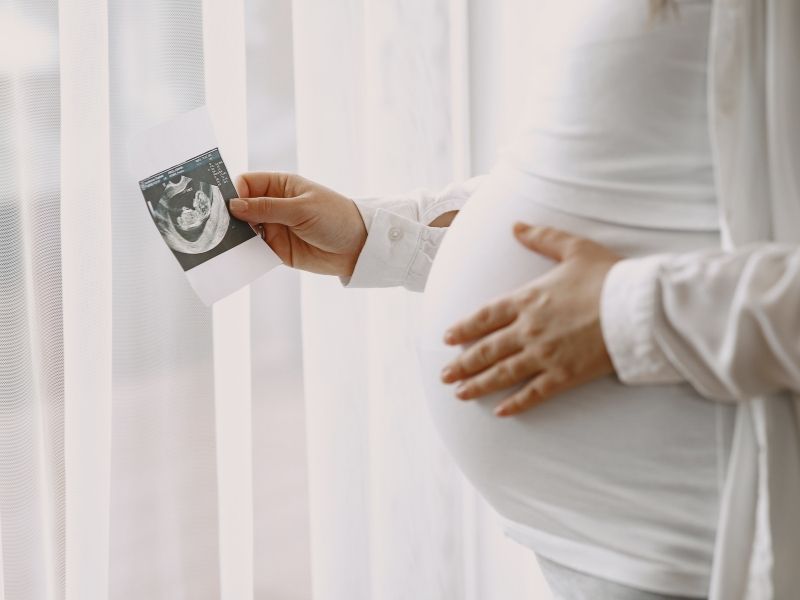
How is pregnancy monitored? Every pregnant woman has certain checkups during pregnancy. All of the checkups performed from the beginning to the end of pregnancy are called pregnancy monitoring (prenatal care). First, a pregnancy plan is made. After planning, regular checkups begin.
The overall health of the mother-to-be and the baby is checked regularly to see whether any problems have developed. Along with this, certain blood tests and urine tests are done, and the baby's heartbeat is checked. In this way, the health status of the mother-to-be and the baby is monitored.
The inside of the gestational sac can first be seen in week 4 or 5. This shows whether the baby is in the sac and whether there is a risk of ectopic pregnancy. Precautions are taken for health problems that have occurred or may occur. Potential problems are noticed early, and appropriate treatment is given.
When Is Pregnancy Monitoring Done?
When is pregnancy monitoring in Ataşehir done? Pregnancy monitoring starts from the moment pregnancy is diagnosed and continues until the end of pregnancy. During monitoring, ultrasound checkups are performed and certain key tests are carried out. The goal of all this is for mother and baby to stay as healthy as possible. By checking every detail, any problems that may arise are noticed early and appropriate precautions are taken.
Week-by-Week Pregnancy Monitoring
Throughout week-by-week pregnancy monitoring, the baby is constantly developing. As the baby develops, regular checkups are used to see whether any problems have arisen. The aim is for the baby to be born as healthy as possible. The baby develops in every week of a pregnancy that lasts 37–41 weeks, so it is necessary to check how development is progressing.
In the first trimester, the embryo grows rapidly and its organs begin to form. In the second trimester, the baby starts to move, the belly expands, and the pregnancy becomes increasingly visible. During the same period, the mother-to-be's energy increases and uncomfortable symptoms usually decrease. In the third trimester, the baby grows even larger, begins to move less in the womb, and the mother may tire quickly because there is less room left in the uterus. At the same time, swelling (edema) and weight gain may be seen in various parts of the body. Pregnancy can differ for every woman, but in general these changes follow a clear progression throughout pregnancy.
Week-by-Week Pregnancy Symptoms
As pregnancy progresses week by week, it brings many symptoms and changes. In the first weeks, women usually have a missed period, and some may notice light bleeding or spotting. In the second week, some women may feel tenderness and fullness in their breasts. From the third week on, typical pregnancy symptoms such as nausea and fatigue may appear. In the fourth week, a pregnancy test may be positive and the pregnancy is now confirmed. In the fifth week, some women may experience morning sickness. From the sixth week on, the mother-to-be may notice growth in her uterus and breasts. As the weeks go by, the baby's movements become noticeable, and the belly becomes more visible as the baby grows in the womb. Every woman may have different experiences, but in general, week-by-week pregnancy symptoms clearly reflect the changes taking place during pregnancy.
Weeks 1–4 of Pregnancy
In the first 4 weeks of pregnancy, fertilization and implantation usually take place. During this period, women usually have a missed period, and pregnancy tests may come back positive. Some women may notice light bleeding or spotting. Hormonal changes begin in the body, and some mothers-to-be may feel tenderness or fullness in their breasts. At this stage, some women may experience mild nausea, fatigue, and mild cramp-like pain. In the first 4 weeks, the embryo's cells begin to divide rapidly, but the mother-to-be usually does not yet notice major changes. During this period, it is important for the mother-to-be to pay attention to her diet and have regular checkups with her doctor, because the baby's basic organs begin to form at this early stage.
Weeks 5–8 of Pregnancy
Between weeks 5 and 8 of pregnancy, important changes take place. The baby's organs develop rapidly during this period, and the heartbeat becomes detectable. The mother-to-be may experience symptoms such as morning sickness and nausea more intensely. Breast growth and tenderness may increase, and the nipples may darken. Fatigue and weakness are common during this time, and mood swings may occur due to hormonal changes. The mother-to-be may also have urinary urgency, a frequent need to urinate, and digestive problems such as indigestion. During this period, as the baby's brain and spinal cord development speeds up, it is important for the mother-to-be to eat healthily, not miss her doctor's appointments, and follow her pregnancy carefully.
Weeks 9–12 of Pregnancy
Between weeks 9 and 12 of pregnancy, important changes continue. The baby now goes from being an embryo to a fetus, its organs develop rapidly, and its fingers and feet become distinct. The mother-to-be's belly continues to expand, and clothes may start to feel tight. Breast tenderness increases, and the nipples may darken further. While fatigue and weakness continue, morning sickness and nausea may decrease, although they may persist in some mothers-to-be. During this period, skin discoloration and acne may develop. Mood swings may continue, and some women may feel more distressed and emotional due to pregnancy hormones. As the baby's brain development speeds up, it is important for the mother-to-be to eat a healthy diet and monitor her pregnancy with regular checkups.
Weeks 13–16 of Pregnancy
Between weeks 13 and 16 of pregnancy, some symptoms ease while others continue. During this period, mothers-to-be usually get relief from morning sickness, and nausea decreases. Energy levels rise and fatigue lessens. The baby's organs are now more developed, and some begin to function. The mother-to-be's belly becomes more noticeable, and the pregnancy starts to show. Breast tenderness may continue, and the nipples may darken and enlarge. Hormones give the skin a glow, although acne problems may still continue. During this period, the baby's sex can be determined by ultrasound. The mother-to-be should keep up with regular doctor visits, pay attention to healthy eating, and exercise.
Weeks 17–20 of Pregnancy
Between weeks 17 and 20 of pregnancy, many changes and symptoms can be seen in the mother-to-be. The baby's growth speeds up, and clear movements can now be felt in the womb. The belly grows steadily and the pregnancy becomes even more visible. Breast tenderness and growth may continue, and the nipples may change color. During this period, the mother-to-be may gain weight and may have lower back and back pain. Digestion may slow down, and constipation may occur. As the second trimester gets underway, morning sickness usually decreases, energy levels rise, and mood swings ease. At this stage, the baby's development is followed with ultrasound imaging, and taking good care during pregnancy is important for a healthy pregnancy.
Weeks 21–24 of Pregnancy
Between weeks 21 and 24 of pregnancy, important changes take place in the mother-to-be and her baby. The baby's movements become even more noticeable and can be felt regularly in the womb. During this period, the mother-to-be's belly becomes clearly visible, and stretch marks may form on the skin of the abdomen. The breasts continue to grow, and the activity of the milk glands increases. Because of the baby's rapid growth, the mother-to-be may have lower back and back pain. Digestion continues to be slow, and constipation may persist. In addition, the mother-to-be may experience some discomforts such as heart palpitations, nosebleeds, and swollen feet. During this period, regular doctor visits, healthy eating, regular exercise, and good pregnancy monitoring are important.
Weeks 25–28 of Pregnancy
Between weeks 25 and 28 of pregnancy, a range of symptoms and changes can be seen in the mother-to-be and her baby. The baby continues to grow rapidly during this period, and even stronger movements are felt in the womb. At this stage, the mother-to-be's belly expands considerably and weight gain continues. Breast tenderness and growth may continue. Digestion continues to slow, and digestive problems such as heartburn and indigestion may persist. The mother-to-be may need to urinate frequently and may have constipation. Weakness and fatigue may continue during this period. In addition, discomforts such as swelling in the legs and feet, varicose veins, and cramps are common. Healthy eating during pregnancy, regular exercise, and doctor visits are important
Weeks 29–32 of Pregnancy
Between weeks 29 and 32 of pregnancy, a range of symptoms and changes can be seen in the mother-to-be and her baby. The baby continues to grow rapidly during this period, and although there is less room to move in the womb, regular movements are still felt. Because of the growing size of the uterus, the mother-to-be may need to urinate frequently.
The skin of the abdomen continues to stretch, and stretch marks may form. Breast tenderness may continue, and the activity of the milk glands may increase. Hip and lower back pain may be common during this period. Digestion continues to slow, and problems such as constipation and heartburn may persist. The mother-to-be may often feel short of breath and weak. Healthy eating, regular exercise, regular doctor visits, and close monitoring of the pregnancy are important.
Weeks 33–36 of Pregnancy
Between weeks 33 and 36 of pregnancy, certain symptoms and changes are seen in the mother-to-be and her baby. The baby continues to grow rapidly during this period, and although there is less room to move in the uterus, regular movements are still felt. The mother-to-be may often have digestive problems such as heartburn and indigestion. The stretching of the abdomen increases, and stretch marks may become more visible. While breast tenderness and growth continue, a milk-like discharge may come from the nipples. At this stage, lower back and back pain may be common, and insomnia is frequent. The mother-to-be may feel the need to urinate more often. During this period, preparations for the birth become important, and regular doctor visits continue. Healthy eating, regular exercise, and being prepared for the birth are important at this stage of pregnancy.
Weeks 37–40 of Pregnancy
Between weeks 37 and 40 of pregnancy, the mother-to-be and her baby show symptoms and changes indicating that birth is approaching. The baby is now fully developed and ready to be born. During this period, the mother-to-be may feel more discomfort due to the enlarged uterus, and her need to urinate frequently may increase. Skin stretching and stretch marks on the abdomen may increase. A milk-like discharge from the milk glands may be seen more often, and the nipples may swell slightly in preparation for birth. As birth approaches, the mother-to-be may feel pressure and pain in the pelvic area. During this period, Braxton-Hicks contractions, which are frequent and regular contractions, are common. The mother-to-be may often feel tired and weak and may have insomnia. As birth approaches, it is important to make a birth plan and follow the doctor's advice.
Preparing for Birth
In the period before birth, it is important for the mother-to-be to be prepared for delivery. First, a birth plan should be made and the place of birth should be chosen. Support from a trained birth coach or team can be arranged. A hospital bag and the items needed during and after birth should be prepared. Relaxation techniques to use during labor should be learned, and childbirth preparation classes can be attended. At the same time, information about newborn care should be obtained and the necessary items for the baby should be gathered. An appropriate diet and exercise routine should be maintained during and after birth, and the doctor's recommendations should be followed. Support from family and close friends is also an important factor. Being in a comfortable and safe environment during birth is important for the health of the mother-to-be and the baby.
Week-by-Week Pregnancy Checkups
Week-by-week checkups during pregnancy are important for regularly monitoring the health of mother and baby. Usually, the first examination with a gynecologist or obstetrician takes place soon after a positive pregnancy test. After that, regular checkups are done every month; from week 28 onward, the frequency doubles and checkups are done once a week. These checkups evaluate ultrasound findings, urine and blood tests, the baby's growth and development, the mother-to-be's blood pressure, weight gain, and overall health. Prenatal checkups are vital for detecting problems early and intervening when necessary.
Month-by-Month Pregnancy Monitoring
Month-by-month pregnancy monitoring makes it possible to watch closely for any problems in the baby's development. Detailed tests and imaging are used to determine whether development is normal or abnormal.
If development is abnormal, the necessary interventions are carried out to keep the health of mother and baby under control. These checkups, which should be done regularly, are very important throughout pregnancy.
What Tests Are Done During Pregnancy Monitoring?
What tests are done during pregnancy monitoring? The routine tests that should be done during pregnancy are as follows:
- Ultrasonography
- Blood type determination
- Complete blood count
- Blood chemistry panel
- TORCH screening
- Complete urinalysis
- Pap smear test
- Hepatitis B, hepatitis C, and AIDS screening
- Thyroid function test
Vaccines Recommended During Pregnancy
Vaccines are a preventive treatment used to help a person's immune system protect against an infection. Vaccines contain a weakened form of the virus. That is why getting the necessary vaccines before pregnancy is important for the health of both baby and mother. Some vaccines may need to be given during pregnancy.
Vaccines given during pregnancy have two purposes. The first is to protect the mother against possible infectious diseases, and the second is to give the baby protection against these diseases in the period right after birth.
Infections during pregnancy can have negative effects on the health of mother and baby. High fever and severe infections in particular can be dangerous for the baby. High fever can cause birth defects in the baby, and severe infections can increase the risk of preterm birth. That is why vaccines recommended during pregnancy should be given at the times your doctor recommends.
Flu Vaccine
The flu vaccine is recommended during pregnancy. Pregnant women are at higher risk from the flu than people normally are. The flu can seriously affect the health of mother and baby. Women who get the flu during pregnancy have a higher risk of more serious health problems, such as pneumonia or other complications.
Getting the flu vaccine during pregnancy both protects the mother from the flu during pregnancy and protects the baby from the flu for the first 6 months after birth. Following your doctor's recommendations, the flu vaccine can be given at a suitable time during pregnancy. It is usually given after the first 3 months of pregnancy.

Tetanus Vaccine
Because the tetanus vaccine does not contain live microorganisms, it can be safely given during pregnancy. The antibodies the mother-to-be produces after the tetanus vaccine also pass to the baby, so the baby is protected against tetanus during the newborn period. Later, the baby receives tetanus, diphtheria, and whooping cough (pertussis) vaccines.
Although the tetanus vaccine can be given at any stage of pregnancy, it is preferably given after the end of the 3rd month. If the tetanus vaccination series has not been completed within the past 10 years, it may not need to be repeated.
Hepatitis B Vaccine
The hepatitis B vaccine is a vaccine that high-risk pregnant women should receive. The hepatitis B vaccine does not contain a live virus. Hepatitis B virus causes an infection that can seriously damage the liver. This infection can be transmitted to the baby through the parents or through blood and body fluids. That is why getting the hepatitis B vaccine reduces the risk of the baby developing an infection in the days after birth.
The hepatitis B vaccine is usually given in three doses. The first dose is usually given during pregnancy, and the other doses are given at doctor visits after birth.
Is There a Vitamin You Should Start Taking When You Find Out You Are Pregnant?
Folic acid, 400 micrograms once a day, is recommended for all pregnant women from the moment they learn they are pregnant, and even for women planning a pregnancy before they conceive.
The Most Common Health Problems During Pregnancy
We can answer the question what health problems can occur during pregnancy with the following list:
- Reflux and similar stomach problems
- Constipation and hemorrhoids (piles)
- Frequent urination or urinary incontinence
- Urinary Tract Infections
- Diabetes during pregnancy, or gestational diabetes
- Shortness of breath and breathing problems
- Pruritic urticarial papules and plaques (a skin condition that causes a rash)
- Muscle cramps, numbness, and tingling
- Retaining more fluid (edema) than usual
- Depression during pregnancy
- Flu-like infections and sinusitis during pregnancy
- Vaginal discharge and infections such as yeast infections during pregnancy
- Swollen feet during pregnancy
- Dark spots on the face and skin during pregnancy
- Goiter (thyroid) disorders
- Albuminuria (protein in the urine)
What Should You Do to Avoid Infections During Pregnancy?
To protect yourself against infection during pregnancy, drink at least 2.5 liters of water every day; you can also have freshly squeezed fruit juice. Packaged and sugary drinks in particular should be avoided. Because the increased susceptibility to infection during pregnancy is related to the immune system, paying attention to your diet is also recommended.
What Complaints Are Common During Pregnancy?
Common complaints during pregnancy include morning nausea and vomiting, increased saliva production, urinating more often than usual, urinary leakage (especially in the last months), muscle pain such as lower back and back pain, headache and abdominal pain, stomach problems, cramps and varicose veins (especially in the legs), swelling (edema) in the hands and feet, bloating, and constipation. Sleep problems, nosebleeds, numbness in the hands and feet, itching in various parts of the body, gestational diabetes / preeclampsia (pregnancy poisoning), weight gain, a thicker waist, stretch marks, hair loss, skin problems, allergic problems, tooth and gum problems, vaginal bleeding or discharge, breast swelling and similar changes, and sexual problems may also occur. Apart from all these physical problems, the mother-to-be may also experience psychological problems throughout pregnancy, such as fatigue, depression, panic attacks, forgetfulness, difficulty concentrating, depressed mood, and crying spells.
Dangerous Diseases That Affect Pregnancy
Diseases that occur during pregnancy can have dangerous consequences that may harm the baby and the mother-to-be. For this reason, people with a chronic disease, or those who suspect they may have one, are advised to have a checkup with a physician before pregnancy.

By having a general checkup while planning a pregnancy, you can protect both your own health and your baby's, and find out whether your body is ready for pregnancy.
The question which diseases are dangerous during pregnancy can be answered as follows:
- Chronic high blood pressure (hypertension)
- Diabetes
- Neurological diseases
- Liver diseases
- Thyroid Disorders
- Heart diseases,
- Lung and respiratory diseases,
- Kidney problems and urinary tract disorders
- Disorders affecting the gastrointestinal system
- Blood disorders
- Infectious diseases such as rubella (German measles)
- Rheumatic diseases
- Epilepsy (seizure disorder)
- Mumps
- Chickenpox
- Measles