

In IVF treatment, "platelet-rich plasma" may be referred to by its abbreviation, PRP. The answer to the question what is PRP is that it is a plasma solution obtained from the patient's own blood that contains a high concentration of platelets. Platelets are rich in growth factors and other biological substances that stimulate the body's healing process. The main job of platelets (thrombocytes) is to enable blood clotting.
What Is PRP in IVF?
In IVF treatment, PRP is usually applied inside the uterus during ovulation induction or before embryo transfer. This procedure aims to improve the quality of the uterine lining (endometrium) and create a more favorable environment for embryo implantation.
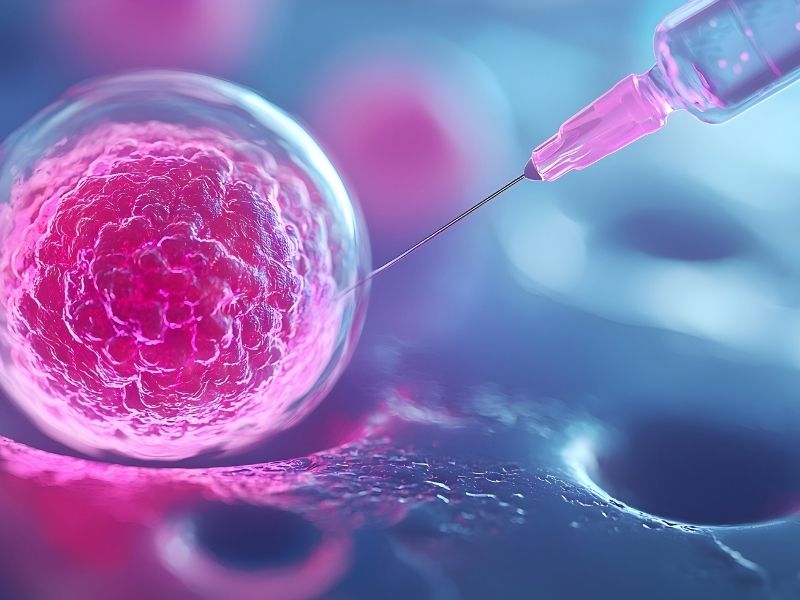
Applying PRP may increase the thickness and blood supply of the endometrium, which increases the likelihood that the embryo will attach.
Using PRP in IVF treatment is a method thought to have the potential to increase treatment success. However, its effects may vary from patient to patient, and it is important to discuss it in detail with your doctor before treatment.
How Is PRP Done in IVF?
During IVF treatment, PRP (platelet-rich plasma) can be applied to the ovaries and inside the uterus. Applying PRP to the ovaries is a method used to improve egg quality and the ovulation process. The procedure is performed before IVF treatment or immediately after egg retrieval.
Applying PRP to the ovaries may increase IVF treatment success by improving egg quality and development. This method may be used especially in patients with diminished ovarian reserve or poor-quality eggs. Its effect may vary from patient to patient, and it is important to discuss it in detail with your doctor before treatment.
Applying PRP to the Ovaries
The steps followed for applying PRP to the ovaries are as follows:
1. Blood draw and centrifugation: The patient's own blood is drawn and processed in a centrifuge. The centrifuge separates the blood into its components, allowing us to obtain PRP, a plasma solution containing a high concentration of platelets.
2. Applying PRP: The PRP obtained after centrifugation is injected directly into the ovaries using a PRP needle prepared under sterile conditions. This PRP needle is the same needle used for egg retrieval. Like egg retrieval, the PRP procedure is performed under sedation and analgesia (light anesthesia). The procedure takes 10–15 minutes. It is similar to egg retrieval. Sometimes PRP can also be applied to the ovaries laparoscopically. Still, our first choice is to apply PRP to the ovaries vaginally.
Recovery and follow-up: After PRP is applied, the patient is given some time to rest and recover. The ovulation process and egg development are monitored to assess the effectiveness of the procedure.
Applying PRP Inside the Uterus
PRP can be applied inside the uterus before embryo transfer. The procedure involves the following steps:
1. Blood draw: The patient's own blood is used for the procedure. First, a blood sample is taken from the patient. This is done with a small blood sample drawn from the arm or the inner elbow.
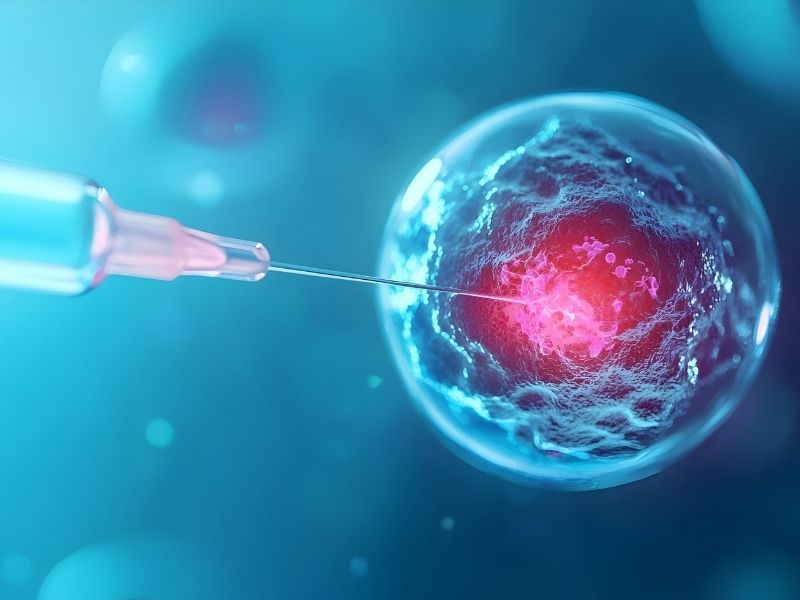
2. Centrifuging the blood: The blood sample is processed in a centrifuge. The centrifuge separates the blood into its components, allowing us to obtain PRP, a plasma solution containing a high concentration of platelets.
3. Preparing the PRP: After centrifugation, a plasma layer rich in platelets is obtained. This layer contains the PRP and is used for the procedure.
4. Applying the PRP: The PRP obtained is applied inside the uterus (to the endometrium) with a syringe or catheter prepared under sterile conditions.
5. Recovery and follow-up: After PRP is applied, the patient is given some time to rest and recover. To assess the effectiveness of the treatment, the thickness and condition of the patient's uterine lining (endometrium) are monitored by ultrasound or other imaging techniques.
The purpose of PRP in IVF treatment is to improve the quality of the endometrium and create a more favorable environment for embryo implantation. The effect of PRP may vary from patient to patient, and it is important to discuss it in detail with your doctor before treatment.
Which Tests Are Required Before PRP Treatment?
Before PRP treatment, if the mother-to-be has no other medical conditions, routine pre-anesthesia tests are requested. These include HBsAg, anti-HCV, anti-HIV, PT, PTT, INR and a complete blood count.
Who Is a Candidate for PRP Treatment in IVF?
IVF success is directly proportional to the number of eggs retrieved. That is why treatments such as PRP, which are thought to increase egg number and quality, offer hope in IVF. Although it is not a definitive treatment, some studies have reported women who became pregnant after PRP. During IVF treatment, PRP (platelet-rich plasma) may be an option in certain situations:
Poor egg quality: In women with poor egg quality or aging eggs, PRP may be considered to improve egg development and quality. In IVF treatment, PRP is applied by delivering platelet-rich cells to the ovaries. PRP treatment of the eggs is thought to increase the number of eggs.
Diminished ovarian reserve: In women with diminished ovarian reserve, applying PRP to the ovaries may help produce healthier eggs. PRP can be applied to the ovaries at the same time as egg retrieval. The goal of IVF PRP performed at the same time is to increase egg quality and number for the next IVF treatment.
Failed IVF attempts: For couples who have had unsuccessful results from more than one IVF attempt, using PRP may improve the chance of success.
Ovarian dysfunction: PRP can be used when the ovaries are not functioning properly. This may help stimulate natural egg development.
Recurrent miscarriages: In women with recurrent miscarriages or at risk of miscarriage, applying PRP inside the uterus may increase the chance of pregnancy.
Endometrial thickness problems (problems with thickening of the uterine lining): In women whose uterine lining does not thicken properly, applying PRP inside the uterus may support embryo implantation, because the chance of pregnancy is quite low when an embryo is transferred into a thin uterine lining (endometrium).
It is important to consult an IVF specialist experienced in this area to decide whether PRP is suitable and effective for each patient.
When Should IVF Be Done After PRP Treatment?
Follow-up after PRP (platelet-rich plasma) treatment and the transition to IVF treatment may vary depending on the mother-to-be's individual situation. Ideally, you should consult the specialist directing your treatment and follow their recommendations. In general, the following points may be taken into account:
Follow-up after PRP treatment: Regular follow-up after PRP treatment is very important. It is important to attend check-up visits at the scheduled intervals to assess the effectiveness of the treatment and monitor your response to it. For pregnancy after PRP treatment, trying to conceive naturally for 2–3 months may be an option.
Transition to IVF treatment: PRP treatment can serve as a bridge to IVF treatment. The effects of PRP, especially on ovarian function and endometrial thickness, can last from a few weeks to a few months. Based on your doctor's evaluation and recommendations, you can move on to IVF treatment once the effects of PRP treatment have fully developed. In general, IVF treatment is recommended if natural pregnancy has not occurred within 2–3 months after PRP treatment.
Trying to conceive naturally after IVF PRP: After PRP treatment, the chance of conceiving naturally may also be considered before moving on to IVF treatment. In some cases, PRP treatment alone may support pregnancy. This should be determined by the doctor directing your treatment.
In conclusion, follow-up after PRP treatment and the transition to IVF treatment vary depending on the individual's situation. It is important to determine the most appropriate treatment plan by taking your doctor's recommendations into account and working together with them. This way, the treatment process can be managed effectively and successfully.
What Should You Pay Attention to After IVF PRP?
After IVF PRP treatment, it is important for patients to pay attention to certain points:
Follow your doctor's instructions: After PRP treatment, you should carefully follow the instructions your doctor gives you. These instructions may include rest periods, medication use, activity adjustments and other treatment-related matters.
Regular check-up visits: You should see your doctor regularly for check-up visits to assess and monitor the effectiveness of the treatment. These visits are important for tracking the course of treatment and making adjustments when necessary.
Diet and lifestyle: Adopting a healthy lifestyle and paying attention to a balanced diet can increase the effectiveness of the treatment. It is also important to avoid harmful habits such as smoking and drinking alcohol.
Stress management: Avoiding stress or using coping strategies may affect the success of treatment. You can benefit from stress-reducing techniques such as yoga and meditation.
Physical activity: You should adjust your physical activities as your doctor recommends. Avoid strenuous exercise, and do not start a new exercise program without your doctor's approval.
Medications and supplements: You should take the medications and supplements your doctor recommends regularly. During treatment, you should never take any medication without consulting your doctor.
Watching for symptoms: You should share any side effects or problems that may arise during treatment with your doctor. You should also watch for certain symptoms (for example, heavy bleeding, fever, pain, etc.) and report them to your doctor.
Sexual intercourse after PRP: Just as after IVF egg retrieval, sexual intercourse is not recommended for a certain period.
Carefully following the treatment plan after IVF PRP treatment may increase the chance of success and help achieve a healthy pregnancy. For this reason, you should stay in regular contact with your doctor throughout the treatment process and reach out right away if you have any questions or concerns.
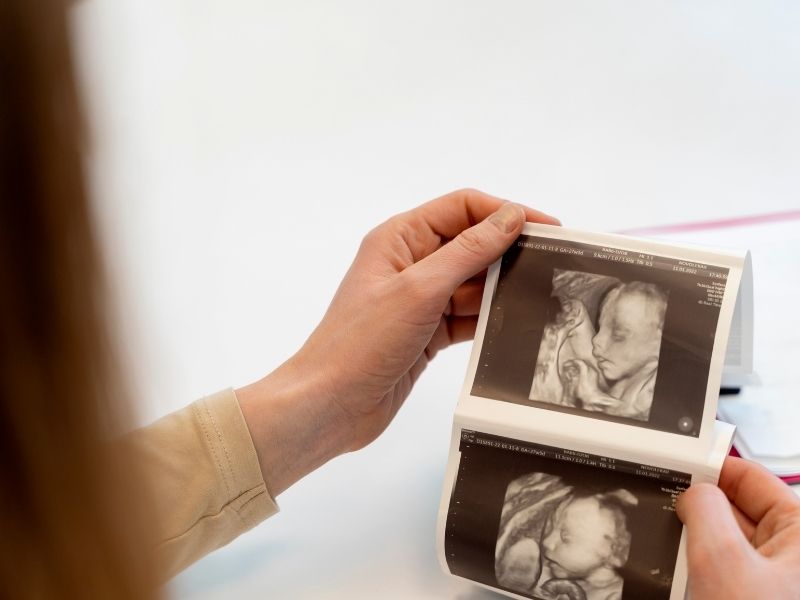
Although PRP is not a proven, definitive treatment, pregnancies after PRP have been reported.
IVF PRP Prices in Istanbul
IVF PRP treatment prices in 2026 may vary depending on a number of factors. These factors may include the quality of the kits used in PRP treatment, the experience and expertise of the doctor performing the treatment, the scope of services offered at the clinic, the quality of the technology and equipment used, the cost of the materials the treatment requires, the patient's individual situation and the complexity of the treatment process.
Each clinic or center may have its own pricing policy, and prices are generally determined according to the treatment plan and the patient's needs. For this reason, it is recommended that you get detailed pricing information and a preliminary consultation directly from the IVF team of Ataşehir obstetrician-gynecologist Prof. Dr. Çiğdem Yayla Abide. The clinic can help you with the cost of treatment, payment options and other important details.
