A Pap smear is a screening test in which a sample of cells taken from the neck of the uterus (cervix) is examined in a laboratory, with the aim of detecting early cell changes that can develop on the path to cervical cancer. Also commonly known as the “Pap smear,” this procedure helps detect cervical changes early, which can often progress without causing any symptoms. Rather than making a “definitive diagnosis,” the Pap smear is a preventive health approach that catches possible risks early and helps plan the necessary follow-up steps. Having it at regular intervals is more meaningful than a one-time check, because cell changes in the cervix are monitored over time so that the right decision can be made.
Why Is a Pap Smear Done?
A Pap smear is done to examine the structure of the cells of the cervix and catch cell changes early, which can often progress without symptoms. The main purpose of this test is to detect “precursor” cell changes (precancerous lesions) that could potentially turn into cervical cancer, and to help plan follow-up and treatment before a more serious condition develops. In other words, rather than being “the only procedure that makes a diagnosis,” the Pap smear is a screening step that is part of a preventive health approach.
A Pap smear can show whether the cells deviate from normal. Although an “abnormal” result often causes panic, it does not always mean cancer. Some results may indicate temporary changes, cell differences that can heal, or technical issues related to sample quality. Depending on the type of result, your doctor may recommend a repeat Pap smear, an HPV test, or more detailed examinations such as colposcopy.
The reason for doing a Pap smear is not limited to cancer screening; sometimes findings consistent with an infection/inflammation of the cervix may also be seen. However, a Pap smear is not an “infection test”; its real value lies in evaluating the organization of the cervical cells. Regular screening is more effective than a one-time check, because changes in the cervix are monitored over time so that the right decision can be made.
How Is a Pap Smear Done?
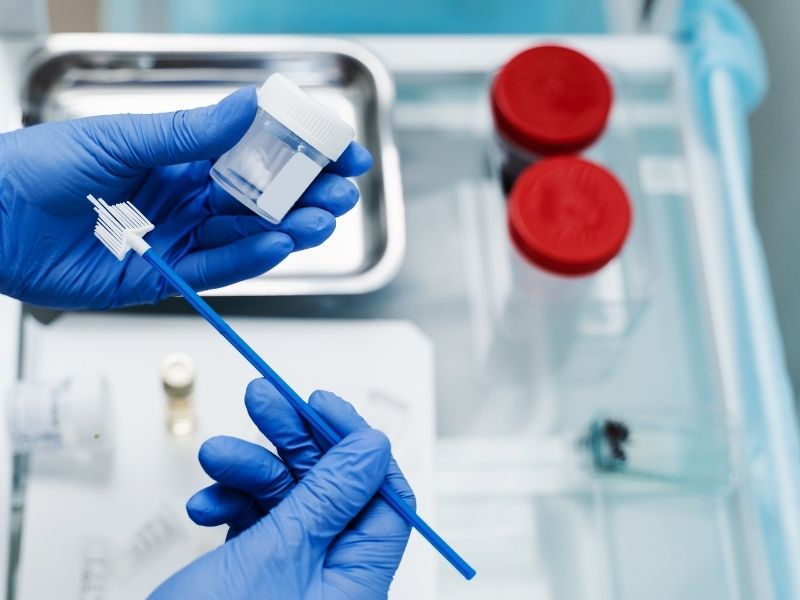
When people ask how a Pap smear is done, they may imagine a long, difficult procedure, but for most people it is a simple exam step that takes just a few minutes. The procedure is performed during a gynecological exam. First, a speculum is inserted to gently view the vagina. Then a sample of cells is taken from the cervix with a special brush or spatula. This sample is sent to the laboratory so the cells can be evaluated under a microscope. Some clinics spread the sample onto a glass slide, while others prefer the liquid-based method; although the method differs, the goal is the same: to see the organization of the cells in the cervix.
For a Pap smear to be evaluated correctly, it is important that the sample is “clean and adequate.” For this reason, days of heavy menstrual bleeding are avoided. In addition, since using vaginal products before the exam can affect the quality of the sample, you should follow your doctor's guidance. Any discomfort during the procedure usually comes from inserting the speculum; there may be a brief, mild stinging sensation while the sample is taken.
When the Pap smear result comes back, the report may contain phrases such as “normal,” “follow-up recommended,” “repeat needed,” or “abnormal cell changes.” With an abnormal result, the next step is usually not immediate treatment; it is clarifying the result with additional tests and setting up the right follow-up plan. For this reason, a Pap smear is a powerful preventive health tool when done regularly.
Who Should Have a Pap Smear?
The answer to who should have a Pap smear depends on a person's age, previous screening results, HPV status, and risk factors. In general, it is considered part of cervical cancer screening for anyone who has a cervix. A Pap smear may be considered especially for those who have never been screened, those whose screening interval has lapsed, or those with a history that requires regular follow-up.
For some people, follow-up may be planned more closely. For example, in those who have had an abnormal Pap smear result before, those found to have high-risk HPV, those with a suppressed immune system, or those with a history of a procedure/treatment on the cervix, the Pap smear and related screening steps are managed more carefully. In addition, if the doctor sees a suspicious appearance of the cervix during the exam, a Pap smear may be ordered for evaluation even if it is not for screening.
A Pap smear is not a procedure limited by whether or not someone is married; the screening plan is shaped by “sexual activity history, age, and risk profile.” The situation is different for people whose cervix has been removed: the reason for surgery and the pathology result determine the need for screening. That is why “the same rule for everyone” is not correct. The healthiest approach is to determine the need for a Pap smear on an individual basis. An obstetrician-gynecologist will evaluate your previous results and risks and clarify the right screening plan for you.
When Is a Pap Smear Done?
The question of when a Pap smear is done is considered both in terms of “at what age and at what intervals” and “the best day of the month.” The age at which screening starts and how often it is done may vary according to national programs and guidelines; therefore, the best plan should be determined based on your doctor's recommendation. The general logic is this: screening done at regular intervals, without waiting for symptoms, makes it easier to catch cell changes in the cervix early. If there has been an abnormal result before or if an HPV-related follow-up plan is under way, check-up intervals may be shortened. If results have been normal for a long time, the screening interval may be extended.
In terms of the menstrual cycle, the ideal time for a Pap smear is generally on days when there is no menstrual bleeding. Heavy bleeding can make it harder to take the sample and can reduce the quality of the evaluation. Douching, using vaginal creams/suppositories, or having sexual intercourse within the 24–48 hours before the appointment date can reduce the quality of the sample in some cases; therefore, it is important to follow your clinic's pre-appointment rules.

After a Pap smear, light spotting may occur; it usually goes away quickly. If a result such as “unsatisfactory sample” comes back, this generally does not indicate a dangerous condition; you will be asked to have it repeated under the right conditions. In summary, the timing of a Pap smear is planned according to both your screening schedule and your menstrual cycle; your doctor's guidance is the most reliable way to find the best date for you.
Does a Pap Smear Hurt?
Does a Pap smear hurt? This is a very common question, and for most people the answer is “not severe pain, but there may be brief discomfort.” What is felt during the procedure is usually more a sense of pressure and tension than pain. Inserting the speculum may feel more uncomfortable, especially if anxiety is high or the vaginal muscles tighten involuntarily. While the cell sample is being taken, a mild pricking, stinging, or “tugging” sensation lasting a few seconds may be described.
To make the Pap smear more comfortable, it is important to relax your muscles during the exam. Slowing your breathing, relaxing your shoulders, and staying in communication with your doctor bring relief for most people. If you have had difficulty with a gynecological exam before, telling your doctor before the procedure begins helps a lot; your doctor can choose a smaller speculum, go through the steps more slowly, and guide you.
Light spotting after a Pap smear or mild cramping in the lower abdomen may occur; this is mostly normal and goes away quickly. However, if the pain increases significantly, the bleeding becomes heavy, or symptoms such as foul-smelling discharge/fever appear, you should see a doctor. In general, a Pap smear is a quick procedure that the vast majority of people can tolerate. Considering the advantage of early detection that regular screening provides, most people say this brief discomfort offers valuable protection.