
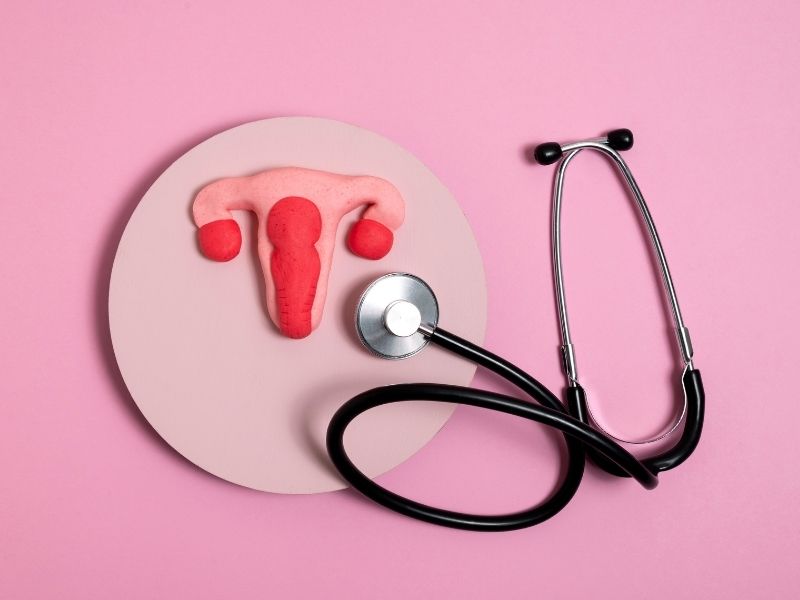
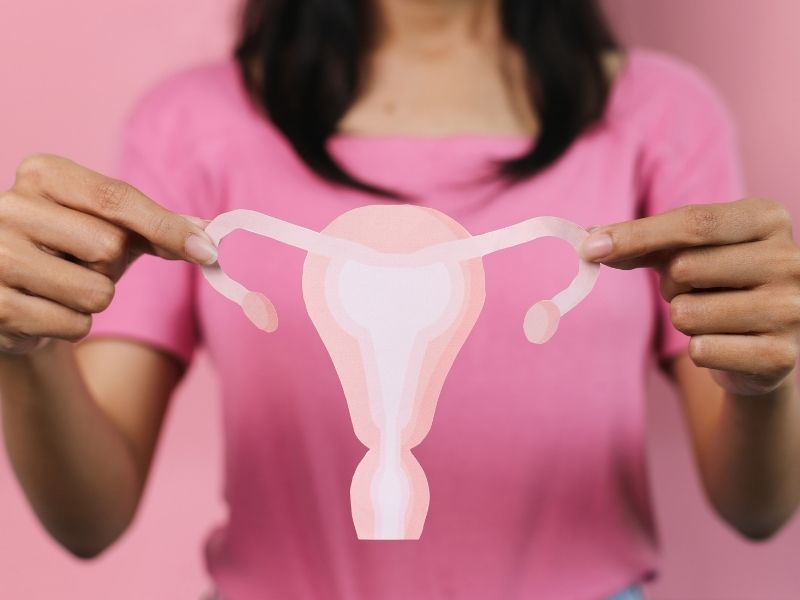
They are benign masses formed by the abnormal proliferation of the smooth muscle of the uterus. They are well-defined masses. They are classified according to their location (submucosal, intramural, subserosal, pedunculated, etc.). Their prevalence is generally reported to be 20-25%.
What Causes Fibroids?
The cause of fibroids is not yet known for certain. Certain factors are thought to play a role in fibroid formation, such as hormonal changes (excess estrogen), genetic factors, obesity and early onset of menstruation, alcohol and caffeine use, and heavy red meat consumption.
Hormonal changes (excess estrogen): Before menopause, fibroids tend to grow due to excess estrogen. After menopause, fibroids shrink. If a fibroid continues to grow after menopause, the possibility of an underlying sarcoma, that is, cancerous tissue, should be investigated.
- Genetic Factors: If there are fibroids in the family, especially in first-degree relatives, the risk of fibroids developing in other family members increases.
- Age: Fibroids are most common between the ages of 30 and 40. After menopause, fibroids stop growing because estrogen levels decrease.
- Obesity: As body mass index, waist circumference and body fat percentage increase, the amount of estrogen produced by fat tissue increases, and the formation or growth of fibroids increases.
- Early Age at First Period: If the first period occurs before age 11, exposure to estrogen is greater, so fibroids are more common.
- Heavy Red Meat Consumption: According to some studies, eating large amounts of red meat increases fibroid formation. Therefore, limiting red meat consumption is recommended.
- High Alcohol and Caffeine Consumption: These can contribute to fibroid formation.
How Do Fibroids Form?
Although the exact cause is unknown, estrogen, known as the female hormone, is thought to be responsible for fibroid formation. This tumor is hormone-dependent and is present in about 1 in every 5 women of reproductive age (20%).
Fibroids tend to grow during pregnancy. Fibroids are also more common in women who started menstruating early and in women who are overweight, again due to greater exposure to estrogen. During menopause, fibroids tend to shrink because estrogen levels decrease. Family predisposition and genetics are also reported to play a role.
What Are the Symptoms of Fibroids?
Most fibroids cause no symptoms and are noticed during routine gynecological checkups. Symptoms vary depending on the location and size of the fibroid.
The most common symptom is irregular, prolonged and heavy menstrual bleeding. A fibroid can impair the uterine muscle's ability to contract, which can change the regularity and pattern of menstrual bleeding. As a result, the patient may develop anemia (low blood count).
Fibroids that involve or press on the uterine cavity (submucosal or intramural) can cause bleeding, and they can also prevent a potential pregnancy from implanting, leading to infertility, miscarriage, recurrent pregnancy loss or early pregnancy loss.
Large fibroids can cause pressure, leading to abdominal bloating, a feeling of pressure, pelvic or lower back pain, indigestion, frequent urination, kidney problems or constipation, as well as bleeding and infertility.
In fibroids that block the cervix, menstrual flow may be obstructed and there may be pain due to cramps.
Rarely, some fibroids protrude from the uterine cavity into the vagina and can cause vaginal bleeding, bleeding after intercourse, and a foul-smelling discharge that leads to infection.
Fibroids can sometimes reach very large sizes, in which case the patient may feel as though she has gained weight and may feel a large, firm mass in her abdomen.
How Are Fibroids Diagnosed?
Fibroids are benign tumors located in or around the uterus. They usually cause no symptoms and may be discovered incidentally during a routine gynecological exam. However, in people with signs and symptoms, various methods can be used for fibroid diagnosis. Here are some of the methods used to diagnose fibroids:
Gynecological Exam: During a pelvic exam, the doctor may feel an enlarged fibroid in the uterus.
Ultrasonography: Ultrasonography is a common imaging method used to determine the size, location and number of fibroids in the uterus. It is the diagnostic method we use most often.
Computed Tomography (CT) or Magnetic Resonance Imaging (MRI): MRI in particular evaluates fibroids in greater detail and is superior to ultrasound. MRI shows fibroid degeneration better. Because MRI also shows cystic structures within the fibroid, it can help predict treatment success in patients for whom embolization is planned.
Diagnostic Hysteroscopy: In this procedure, the inside of the uterus is visualized using a tube-shaped device (hysteroscope). This allows intrauterine fibroids to be diagnosed and even removed if the fibroid is seen in the uterine lining.
Endometrial Biopsy: In an endometrial biopsy, a sample of tissue from inside the uterus is taken and sent to a laboratory for examination. This is done to rule out other intrauterine conditions besides fibroids.
If you have any symptoms or concerns, it is important to consult a gynecologist experienced in fibroids to establish an appropriate diagnosis and treatment plan. If you wish to have children, a fertility specialist may be your preferred choice.
Do Fibroids Prevent Pregnancy?
Fibroids can prevent pregnancy, but not every fibroid does. Factors such as the location, size and number of fibroids determine their effects on pregnancy. Here are some situations:
- Small fibroids located on the outside of the uterus generally have minimal effect on pregnancy and usually do not affect the course of pregnancy.
- However, if fibroids grow within the uterine wall (intramural fibroids), beyond a certain size they may press on the uterine lining, or if they grow on the inner wall of the uterus they may prevent the embryo from attaching to the uterine wall, thereby making it harder to get pregnant and leading to complications during pregnancy.
- Fibroids can also grow with the rising hormone levels of pregnancy and cause pain or complications during pregnancy.
If you are considering pregnancy and have fibroids, it is important to talk with an experienced obstetrician-gynecologist. Your doctor will evaluate the size and location of the fibroids and their potential effects on pregnancy and recommend the most appropriate treatment plan for you. In some cases, fibroids may need to be treated or monitored during pregnancy. Your doctor's experience is very important for uterus-sparing surgery.
How Do Fibroids Cause Infertility?
Do fibroids cause infertility? Fibroids are tumors that form inside or around the uterus and can cause problems during pregnancy. Fibroids can affect reproductive ability through various mechanisms that may lead to infertility:
Fibroids Blocking Implantation: Fibroids growing into the uterine cavity can prevent the embryo from settling into the uterus (embryo implantation). This can make it harder to conceive or cause conception to fail.
Obstructing Embryo Development: Large fibroids can reduce the internal volume of the uterus, which may leave insufficient space for the normal development of the embryo. This can lead to miscarriage or loss of the pregnancy in its early stages.
Deformation of the Uterine Wall (Distortion of the Uterine Wall Structure): Fibroids can change the normal anatomy of the uterus by growing on or within the uterine wall. This can create an unsuitable environment for the embryo to attach or to develop healthily inside the uterus.
Affecting Blood Flow: Fibroids can press on blood vessels in or near the uterus, which may prevent the embryo from receiving the nutrients and oxygen it needs.
Disrupting Hormonal Balance: Some fibroids can cause hormonal imbalance, which may affect ovulation (the release of an egg) or the quality of the uterine lining (endometrium). This can make it harder to conceive or increase the risk of miscarriage.
Blocking the Passage of Sperm or Embryos: Fibroids located where the uterus opens into the fallopian tubes can block the passage of sperm or the embryo.
In summary, fibroids can cause infertility through various mechanisms that affect pregnancy. However, every case of fibroids is different, and their effects can vary from person to person. Therefore, it is important to consult a gynecologist or a reproductive endocrinologist to evaluate the effects of fibroids on reproductive health.
What Are the Symptoms of a Ruptured Fibroid?
Fibroid rupture is a rare condition and usually causes no symptoms. However, a ruptured fibroid can cause some symptoms:
- Sudden and Severe Abdominal Pain: A ruptured fibroid can cause sudden, intense abdominal pain. This pain may be focused in one spot or spread out.
- Vaginal Bleeding: Mild to moderate bleeding may occur with a ruptured fibroid. This bleeding usually takes the form of vaginal bleeding.
- Signs of Shock: Due to excessive blood loss, some people with a ruptured fibroid may show signs of shock. These signs may include a rapid heartbeat, low blood pressure, pale skin, weakness and feeling faint.
- Fever: A fever may develop with a ruptured fibroid.
A ruptured fibroid may require emergency medical care. Anyone experiencing any of these symptoms should seek care from a gynecologist or an emergency department immediately. A ruptured fibroid can lead to serious complications and may therefore require prompt medical intervention.
What Are the Risks of Fibroid Embolization?
Fibroid embolization is a minimally invasive surgical procedure used to treat uterine fibroids. In this procedure, the uterine arteries are accessed and embolic agents are injected into the blood vessels that supply the fibroids, so that the fibroids stop growing and shrink. Although fibroid embolization is generally an effective treatment option, like any medical procedure it carries some risks. These may include:
Temporary Abdominal Pain and Discomfort: Pain, abdominal pain or discomfort may occur during or after the procedure. This is usually temporary and eases over time.
Vaginal Bleeding: In rare cases, excessive bleeding may occur after fibroid embolization. In this case, additional medical intervention may be needed.
Infection: Infection may develop at the needle sites or as a result of germs entering during the procedure. However, this risk is low and can usually be controlled with antibiotics.
Allergic Reactions: In rare cases, allergic reactions to the embolic agents may develop.
Temporary Hormonal Changes: There may be temporary changes in hormone levels after fibroid embolization. In some people, this may cause changes in the menstrual cycle or temporary menopausal symptoms.
Reproductive Function: In rare cases, there may be changes in uterine function after fibroid embolization. Therefore, caution is needed for people who have undergone fibroid embolization and wish to have children.
As with any medical procedure, the risks and benefits should be carefully weighed before fibroid embolization. People considering embolization treatment should have a detailed discussion with a gynecologist, a radiologist and a cardiovascular surgeon experienced in this field.
Should Fibroids Be Treated?
Questions from patients: When should I have my fibroid removed? How large does a fibroid have to get before surgery is needed? Is there medical treatment for fibroids?
Fibroids should be treated if they cause symptoms and these symptoms bother the patient. Depending on the severity of the symptoms, the patient's age, and the size of the fibroid and its location, observation, medical treatment or surgical treatment (laparoscopy, laparotomy, hysteroscopy) may be used.
Since fibroids are usually detected incidentally, simply monitoring them will be sufficient if there are no symptoms or complaints.
When Should Fibroids Be Treated?
Fibroid treatment (also called myoma treatment) should be provided in the following situations: heavy menstrual bleeding and anemia resulting from it, pelvic pain, bloating and a palpable mass, rapid growth of the fibroid over a short period, infertility, recurrent miscarriages, recurrent IVF failure, urinary incontinence, constipation, or when the fibroid causes dilation of the urinary tract or kidney problems.
How Are Fibroids Treated?
1. Observation: With ultrasound and clinical follow-up.
2. Medication: Hormone therapy, GnRH agonists, antiprogestins.
Hormone Therapy: Birth control pills and medications containing progesterone (oral progestins or progesterone-releasing IUDs (Mirena)) reduce the amount of bleeding by thinning the uterine lining.
GnRH Agonists: They shrink fibroids by an average of 40-50%. However, because using GnRH agonists for longer than 6 months has serious side effects such as bone loss, long-term use is not recommended. If a fibroid is large, GnRH agonists can be used for a short time before surgery to reduce its size. However, fibroids grow back after the medication is stopped.
Antiprogestins: These can be used in the treatment of fibroids.
3. Uterine Artery Embolization (Nonsurgical Fibroid Treatment): The aim is to block the blood vessels supplying the fibroid in order to shrink it. Because it can cause pain, it should be preferred mainly for patients who cannot undergo surgery.
4. Surgical Treatment: This should be done either by removing the fibroid or by removing the uterus. In this decision, the woman's age, her wish to have children, the size of the fibroids and any suspicion of cancer are important. In fibroid patients who wish to have children, we prefer fertility-sparing surgery, preserving the uterus and removing only the fibroids. However, if the patient is over 40 and does not want children, or if her fibroids are large or numerous, or if there is cancer (sarcoma), removal of the uterus is preferred.
A) Myomectomy (Open Surgery): If we suspect that the fibroid is malignant, if the patient is older, or if the fibroid is large, open surgery is preferred.
B) Laparoscopic Myomectomy (Minimally Invasive Surgery): If the mass looks like a fibroid, is not very large and there is no suspicion of cancer (sarcoma), this is our operation of first choice. However, the location of the fibroid is also important. In laparoscopic fibroid surgery, the removed fibroid is placed in a bag inside the abdomen and cut into pieces with a morcellator. During this process, there may be a risk of tissue fragments scattering, in which case a malignant tumor could spread. For this reason, morcellation is not recommended when cancer is suspected, and the fibroid must be removed with open surgery.
C) Hysteroscopy: If the fibroid protrudes into the uterine cavity, we can remove it with hysteroscopy in a short operation.
D) Hysterectomy (Removal of the Uterus): In the years following myomectomy, fibroids recur in half of the women. The definitive treatment for fibroids is removal of the uterus. We recommend removal of the uterus for women who are older and do not wish to have children, and for women diagnosed with the cancer we call sarcoma. When the uterus is removed, women no longer have periods, but they do not go into menopause either, because the ovaries are not touched during surgery and they continue to function and produce hormones.
E) Fibroids Prolapsed into the Vagina: The fibroid can be removed through the vagina.
When Should Fibroid Surgery Be Performed?
If complaints continue despite medical treatment, if the fibroid causes symptoms related to its size, or if cancer is suspected, these fibroids should be removed surgically.
Should Open or Minimally Invasive Surgery Be Preferred?
For wound healing and patient comfort, we prefer minimally invasive (laparoscopic) surgery; however, if the fibroid is large, if its location makes laparoscopic removal impossible, or if we suspect the cancer we call sarcoma, removing the fibroid with open surgery is preferred.
What Happens If Fibroids Are Not Treated?
Fibroids are generally benign tumors and usually do not cause serious problems even if left untreated. However, leaving fibroids untreated can lead to certain symptoms or complications:
Worsening of Fibroid-Related Symptoms: As fibroids grow or settle in certain locations, complaints may increase. These complaints may include heavy menstrual bleeding, pelvic pain, difficulty urinating or bowel problems (constipation).
Anemia (iron deficiency, low blood count): Because of heavy menstrual bleeding, fibroids can lead to iron-deficiency anemia in women. Symptoms may include fatigue, weakness and paleness.
Fertility Problems: Fibroids can prevent implantation or affect normal fetal development during pregnancy. Fibroids can also increase the risk of preterm birth during pregnancy.
Complications: In rare cases, fibroids can rupture or twist and block blood flow. This may require emergency medical intervention.
Reduced Quality of Life: As complaints increase or complications develop, the quality of life of people living with fibroids may decline.
Whether fibroids are treated depends on the severity of the complaints and the size and location of the fibroids. Treatment may be performed to relieve complaints or to reduce the risk of complications. Therefore, if you have any concerns or symptoms related to fibroids, it is important that you consult an experienced gynecologist.
Fibroid Treatment Costs in Istanbul
Because every patient presents with different symptoms and every patient's treatment is different, we first examine our patients, then perform an ultrasound and the necessary tests, and then decide on follow-up or treatment. Since the hospital our patients choose from among our partner hospitals for fibroid surgery in Istanbul also affects the cost, prices for the operation vary from person to person.