Short Answer: The most effective way to prevent HPV is the HPV vaccine. In addition, safer sex (condoms provide about 70% protection), monogamy, regular Pap smears and HPV testing, a strong immune system, avoiding smoking and alcohol, informed sex education and avoiding contact with infected skin greatly reduce the risk when practiced together. No single method provides 100% protection on its own; the best results come from combining these methods.
HPV (human papillomavirus) is one of the most common sexually transmitted infections worldwide. It usually progresses without symptoms, so many people do not realize they are carriers. Over time, some HPV types can cause cellular changes that may lead to cancer of the cervix, anus, penis and mouth/throat. The World Health Organization lists HPV among the leading preventable causes of cancer. Fortunately, it is possible to protect yourself from HPV, and prevention relies not on a single method but on combining several measures.
1. Get the HPV Vaccine
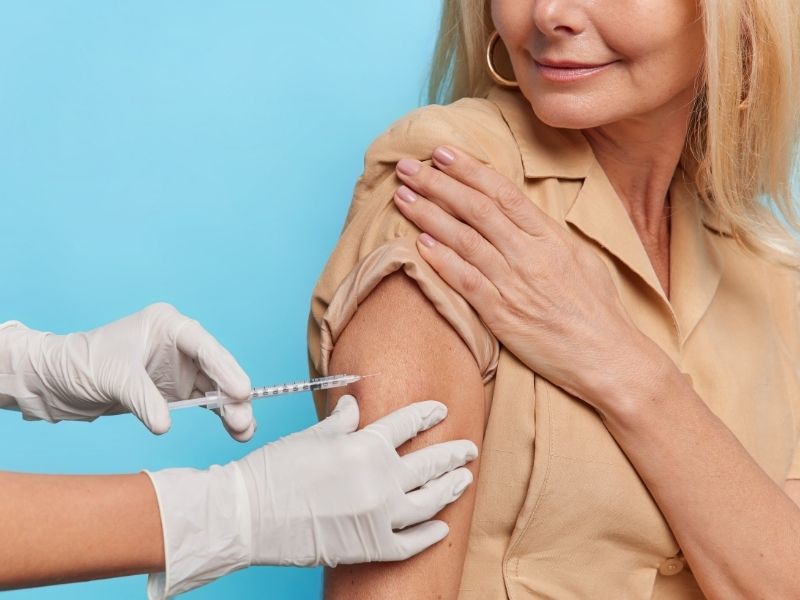
One of the strongest forms of protection against HPV is a vaccine given at the right time. This vaccine provides strong protection against genital warts and many types of cancer that HPV can cause, especially cervical cancer. The World Health Organization and many health authorities recommend the HPV vaccine for both women and men.
The vaccine is most protective when given before a person becomes sexually active; this is why ages 9–14 are the ideal time. However, young adults up to age 26 can also benefit significantly from the vaccine, and in certain cases it may be given up to age 45 on a doctor's recommendation. The vaccine is given as a three-dose series (two doses may be enough depending on age), and it prepares the immune system by introducing harmless particles of the virus to the body.
When enough people in a community are vaccinated, the resulting herd immunity also reduces the chance that the virus stays in circulation. However, because the vaccine does not provide 100% protection against all HPV types, vaccinated people should also continue regular screening and other preventive measures.
2. Practice Safer Sex
The most common way HPV spreads is through sexual contact, so safer sex is one of the most basic precautions. Using condoms protects against many sexually transmitted infections, including HPV, and is about 70% effective against HPV. Condoms do not provide complete protection because the virus can also spread through skin-to-skin contact from areas the condom does not cover; even so, they greatly reduce the risk of transmission.
Monogamy or having a limited number of partners is an important behavior that helps prevent the spread of many infections, including HPV. Getting a health checkup before becoming sexually active with a new partner and communicating openly with your partner about sexual health are also part of prevention.
3. Regular Gynecological Checkups and Early Diagnosis
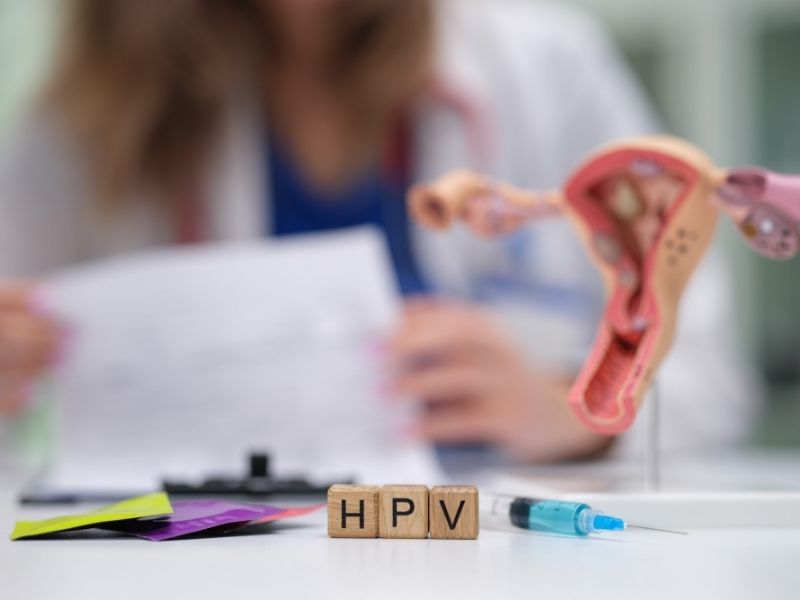
HPV infections often cause no symptoms, so regular gynecological checkups are vital for early diagnosis. A Pap smear detects abnormal changes in the cells of the cervix, while an HPV test directly detects the presence of the virus. These tests are generally recommended on a regular basis starting at age 21; how often you need them may vary depending on your age and previous results.
Routine HPV screening is not as common in men as it is in women, but regular dermatological and urological checkups are recommended, especially for men who have multiple partners, have a weakened immune system or are HIV-positive. Treating HPV-related warts or lesions early reduces both the health risk and the chance of passing the virus to others.
4. Keep Your Immune System Strong
HPV does not progress the same way in everyone once it enters the body. In some people, the immune system suppresses the virus and clears it from the body within a short time, while in people with weakened immunity the virus can stay active for a long time and lead to cell changes. A balanced diet (plenty of vegetables, fruit, whole grains and healthy protein), regular exercise, regular sleep and avoiding stress are basic steps that strengthen your immune system's natural defense against HPV.
5. Cut Back on Smoking and Alcohol
Smoking and alcohol are two of the most important factors that weaken the body's defense system. Smoking in particular can damage the cells of the cervix, increasing the impact of HPV and the risk of it turning into cancer. Changing habits can take time, but even cutting back on smoking and drinking makes the body more resistant to HPV.
6. Informed Sex Education and Public Awareness
One of the most powerful tools in HPV prevention is accurate, timely sex education. Knowledge gained during adolescence helps people make more informed decisions about their sexual health. Informed sex education teaches not only how to protect yourself, but also what HPV is, how it spreads and why it should be taken seriously.
Alongside individual efforts, public awareness also plays a critical role in the fight against HPV. Countering misconceptions and stigma helps both women and men be more willing to get vaccinated and tested regularly, which in turn increases both vaccination rates and opportunities for early diagnosis.
7. Be Careful About Contact With Infected Skin
HPV can spread not only through intercourse but also through contact with infected skin; this applies especially to contact areas such as the external genital area, the area around the anus and the mouth. Because the virus can be transmitted even without a visible sign (such as a wart), it can spread through contact without anyone noticing.
Avoiding direct contact with areas where genital warts are present, not sharing personal hygiene items (such as underwear, towels and razors), and seeing a healthcare professional without delay if you notice any wart, lesion or abnormal skin growth all reduce the risk of transmission.
Comprehensive Protection: Combining All Methods
HPV prevention cannot be reduced to a single method; the most effective results come from combining vaccination, safer sex, a strong immune system and regular health checkups. This comprehensive approach protects you not only against HPV but also against other sexually transmitted diseases.