

IVF treatment is planned individually for each patient, and different medications may be used at each stage. IVF medications can be given as injections under the skin or into the muscle, as oral pills, or as vaginal suppositories. In particular, injections given in the belly area may be administered under the skin of the abdomen, depending on the medication used.
The main groups of medications used in IVF treatment are:
- Ovarian stimulation medications
- Ovulation trigger medications
- Medications used after embryo transfer
- Vitamin and mineral supplements when your doctor considers them necessary
Ovarian Stimulation Medications
The first stage of treatment is growing and developing the eggs. Ovarian stimulation medications are chosen based on the patient's weight, age, and previous treatment history. These medications are usually given as injections.
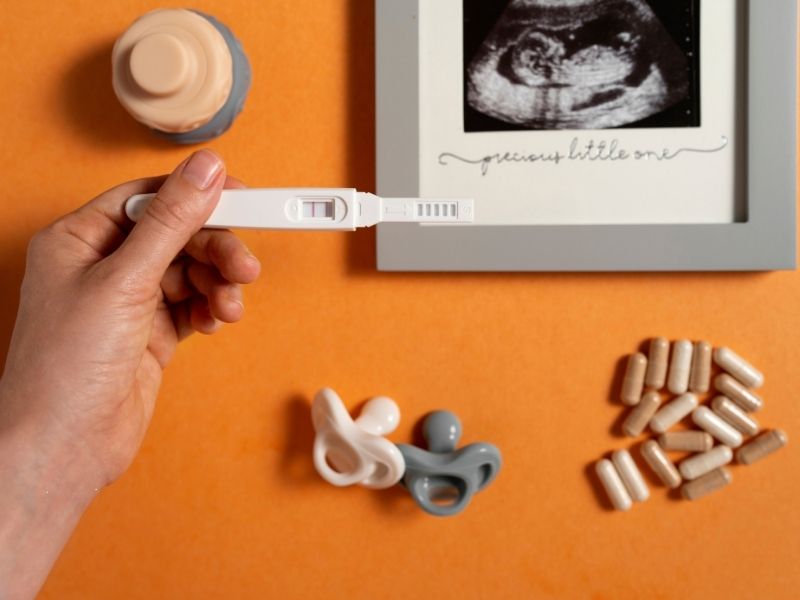
A healthcare professional can show the patient in detail how to give ovarian stimulation injections. The dose, timing, and duration of the medications are determined according to the treatment plan.
There are different brands of ovarian stimulation injections on the market, and every patient's treatment is different. In some patients, oral pills may also be used in addition to the injections.
Ovulation Trigger Medications
The timing of the trigger shot is important. When ultrasound monitoring shows that the follicles have reached the right size, a trigger shot may be given to support final maturation. Egg retrieval can be scheduled about 34–36 hours after the trigger shot. The timing of the injection and the time of egg retrieval are determined according to the individual treatment protocol.
Medications Used After Embryo Transfer
Different medications may be used before and after embryo transfer to support the uterine lining. These usually contain progesterone and may be given as injections, suppositories, or by mouth. Especially in frozen embryo transfers, medications containing estrogen may also be used in some patients.
The type of medication to be used during or after embryo transfer and the way it is given are determined according to the individual treatment plan.
Medication Protocol for Frozen Embryo Transfer
In frozen embryo transfers, medications containing estrogen and progesterone may be used to prepare the uterus. The thickness and appearance of the uterine lining are monitored by ultrasound; the start of progesterone and the day of embryo transfer are planned according to the embryo's developmental stage and the protocol used. After the transfer, the medications recommended by your doctor are continued.
Additional Treatments for Recurrent Failure
In patients who experience recurrent IVF failure, the possible contributing causes are re-evaluated. Embryo characteristics, the structure of the uterine cavity, ovarian reserve, sperm evaluation, and previous treatments are considered together, and whether any additional treatment is needed is decided on an individual basis.
For detailed information on this topic, see our article Recurrent IVF Failure.
Antioxidant and Vitamin Supplements
Whether vitamin and mineral supplements are needed should be assessed based on the person's nutritional status, blood tests, and medical history. Supplements should be used on your doctor's recommendation and under their supervision.
If a deficiency in vitamins and minerals such as folic acid, iron, or vitamin D is found, appropriate supplementation can be planned. Since every person's needs are different, the product and dose to be used should be determined individually.
The development of eggs and sperm takes place over a certain period of time. For this reason, nutrition, lifestyle habits, and any supplements deemed necessary can be evaluated together in the period before treatment. The decision to use supplements should be based on personal needs and a medical evaluation.
A balanced and varied diet is also important during treatment. Reviewing your eating habits before treatment can help support overall health and reproductive health.
For detailed information on nutrition, see our article Nutrition During IVF Treatment.
