

One of the topics expectant mothers are most curious and anxious about from the very beginning of pregnancy is the type of delivery. Early in pregnancy, women often ask their doctors whether they will have a vaginal birth, a water birth, a C-section or a delivery with an epidural — but it is not really appropriate to decide on the delivery method in the early stages. The best approach is to complete the 40 weeks of pregnancy in a happy and healthy way and decide on the delivery method together with your doctor when the time comes.
What Are the Types of Delivery?
The type of childbirth may vary depending on the mother's health. The types of childbirth can be listed as follows:
- Vaginal birth: A vaginal (normal) birth is one that takes place, as far as possible, without outside intervention in the process. Between the 37th and 42nd weeks of pregnancy, the mother's spontaneous contractions cause the cervix to dilate, and the birth follows.
- Breech birth: In about 3.6 percent of all pregnancies, the baby enters the birth canal not head-down but with the buttocks, feet, shoulder or another part of the body first. When the presenting part, that is, the part entering the birth canal, is the buttocks, this reversed position is called a breech birth.
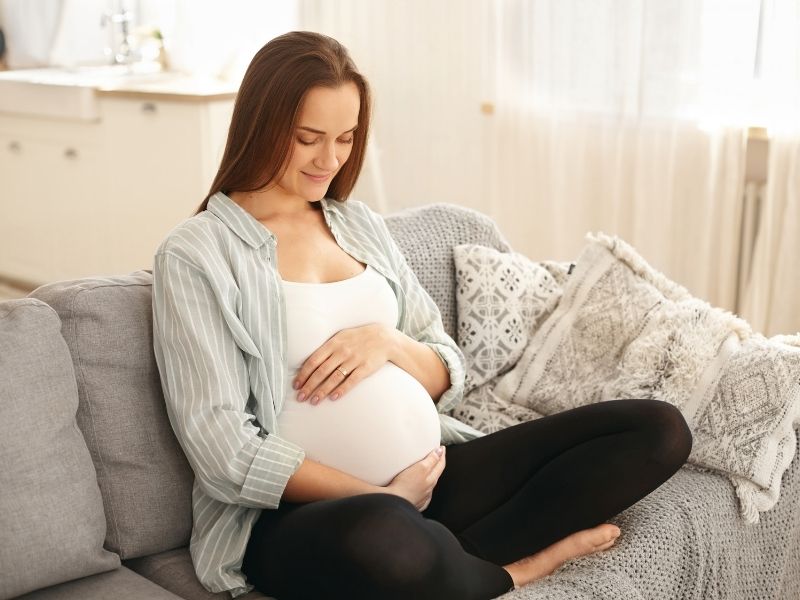
- Assisted delivery: If the health of the baby or the mother is put at risk during labor, outside intervention may be needed. This type of birth is called an "assisted delivery."
- Cesarean section: When the doctor decides on a cesarean delivery, the baby is delivered in an operating room under anesthesia through a surgical incision made first in the abdomen and then in the uterus. This is called a cesarean section (C-section).
- Birth with epidural anesthesia ("princess birth"): With an epidural birth, popularly known as a "princess birth," labor pain can be controlled. Epidural anesthesia is a method of pain control.
- Water birth: Water birth, which has become increasingly common around the world in recent years, is a method of giving birth in a tub filled with warm water that is specially designed for childbirth. The water in the tub, at an average temperature of 37 degrees Celsius, helps the mother's muscles relax, lowers her stress level, and reduces pain and anxiety.
Who Has an Easier Vaginal Birth?
How easy or difficult a birth will be does not depend on any single clear factor. However, there are some factors that make delivery easier. For example, if the expectant mother is significantly overweight, a vaginal birth becomes more difficult and the likelihood of a C-section increases. For this reason, before a planned pregnancy, the expectant mother is advised to be close to her ideal weight, and weight gain should be kept under control during pregnancy. Ongoing chronic illnesses or health problems that may interfere with delivery can also make the birth more difficult. On the other hand, a mother who is fit and strong, with strong muscles and an adequately wide pelvic opening, is likely to have an easier birth.
Which Type of Birth Is Easier?
Both vaginal birth and cesarean delivery have their own advantages and disadvantages. What matters is deciding together with the doctor which delivery method is or is not suitable for the mother and the baby. Pregnant women and their families should trust the doctor's knowledge and experience regarding the delivery method and should not insist on their own preferences about how the baby is delivered.
Which Type of Birth Is the Least Painful?
For some time now, epidural birth has been popularly called a "princess birth" or "painless birth." In this method, before delivery a special needle is inserted into the mother's lower back, and an anesthetic is given through a catheter placed near the spinal cord. The purpose is to numb the body below the waist and prevent the pain from being felt.
When deciding on the delivery method, the health of the mother and baby, the week of pregnancy and the assessments made during labor are all taken into account.
That is why this type of birth is also called painless birth or epidural analgesia.
You can learn more about the postpartum period.
