

Hysteroscopy is a procedure performed without the need for a large incision in the body. Recovery after this method is usually quick, and patients generally do not experience much pain. Because problems detected during diagnosis can be treated at the same time, no additional surgical procedure is needed.
What Is Hysteroscopy?
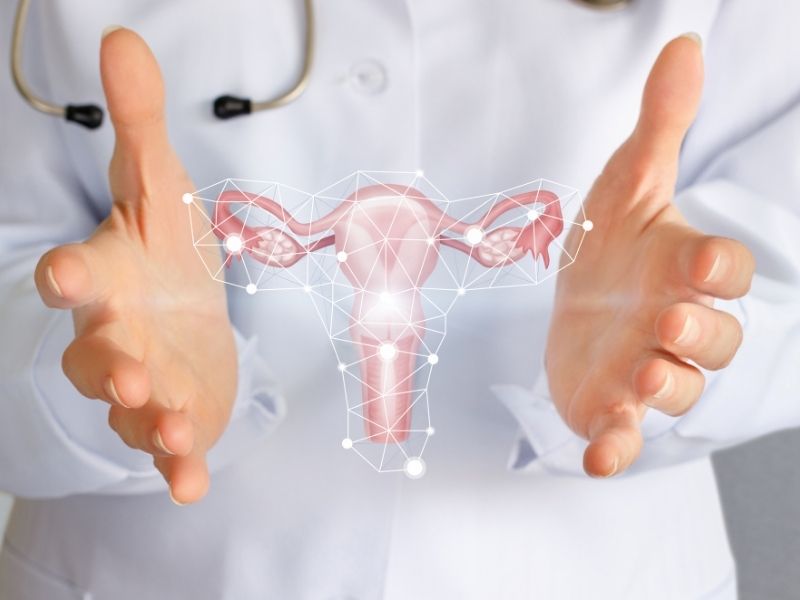
Hysteroscopy is a method used to examine the inner structure of the uterus in detail and, if necessary, to treat it. It is used to detect problems in the female reproductive organs. The procedure is performed with a thin instrument called a hysteroscope, which has a small camera at its tip. This allows doctors to see the inside of the uterus clearly and identify any abnormalities.
When Is Hysteroscopy Performed?
Hysteroscopy is a highly effective method for diagnosing and treating problems inside the uterus. It is frequently preferred in the following situations:
- Unexplained bleeding: In women who have postmenopausal bleeding or irregular menstrual bleeding, the cause of the bleeding can be investigated.

- Endometrial polyps or fibroids: These benign growths in the uterus can be easily detected with hysteroscopy and, when needed, removed during the same procedure.
- Intrauterine adhesions: Hysteroscopy is used to determine whether adhesions are present, especially in women with irregular periods, miscarriage or infertility.
- Congenital uterine anomalies: Structural abnormalities of the uterus present from birth can be examined with hysteroscopy.
- Infertility evaluation: When pregnancy cannot be achieved, this method can be used to determine whether there are structural problems in the uterus.
How Is Hysteroscopy Performed?
Hysteroscopy is usually performed under light anesthesia. During the procedure, the hysteroscope, which contains a small camera, is carefully inserted through the vagina into the cervix. This instrument allows the inner structure of the uterus to be viewed in detail. To give a better view of the inside of the uterus, sterile fluid is introduced into the uterine cavity. This fluid expands the uterus, allowing the doctor to examine the uterine walls clearly. Hysteroscopy is usually completed in 15 to 30 minutes, and most patients can go home the same day.
What Can You Expect After Hysteroscopy?
After hysteroscopy you may usually feel mild discomfort, and some vaginal bleeding may also occur. These symptoms go away within a few days. In addition, short-term vaginal discharge may occur because of the fluid introduced into the uterus. In rare cases, complications such as infection, perforation of the uterine wall or excessive bleeding may occur. If you feel severe pain in the abdomen after the procedure, or develop a fever or heavy bleeding, it is important to see a doctor right away. Following your doctor's advice after the procedure will help speed up recovery.
Who Is a Good Candidate for Hysteroscopy?
Hysteroscopy is a suitable method for women with problems inside the uterus. It is used in the diagnosis and treatment of conditions such as irregular uterine bleeding, polyps, fibroids, adhesions and infertility. It can also be performed in situations such as unexplained postmenopausal bleeding or a displaced IUD.
However, hysteroscopy may not be appropriate in some cases. For example, this method is not recommended for patients with an active infection or for women with severe narrowing of the cervix. Cardiovascular disease and other serious health problems also require evaluation by a doctor before hysteroscopy is performed. In such cases, alternative treatment methods may be preferred.
Is Hysteroscopy a Safe Procedure?
Hysteroscopy is a safe and effective diagnostic and treatment method offered by modern medicine. Because it is a minimally invasive procedure, it speeds up recovery and reduces the risk of complications. However, as with any medical procedure, complications can occur with hysteroscopy, although rarely. These may include infection, injury to the uterus or side effects related to anesthesia. Your doctor will inform you about all the risks and possible outcomes before the procedure.