

Frequently Asked Questions About Menopause cover an important biological process that is a natural part of many women's lives. Menopause, which usually occurs between the ages of 45 and 55, brings with it many physical and emotional symptoms due to hormonal changes. During this period, it is extremely important for women to understand themselves better and take steps to protect their quality of life. This article offers a wide range of information, from what menopause is to the factors that affect it, and from early symptoms to cardiovascular health.
What Is Menopause?
Menopause is a natural process that marks the end of a woman's reproductive years. It is characterized by the permanent cessation of the menstrual cycle and usually occurs as the ovaries produce less estrogen and progesterone. Menopause is not just a biological ending; it is also a sign that the body is entering a new stage.
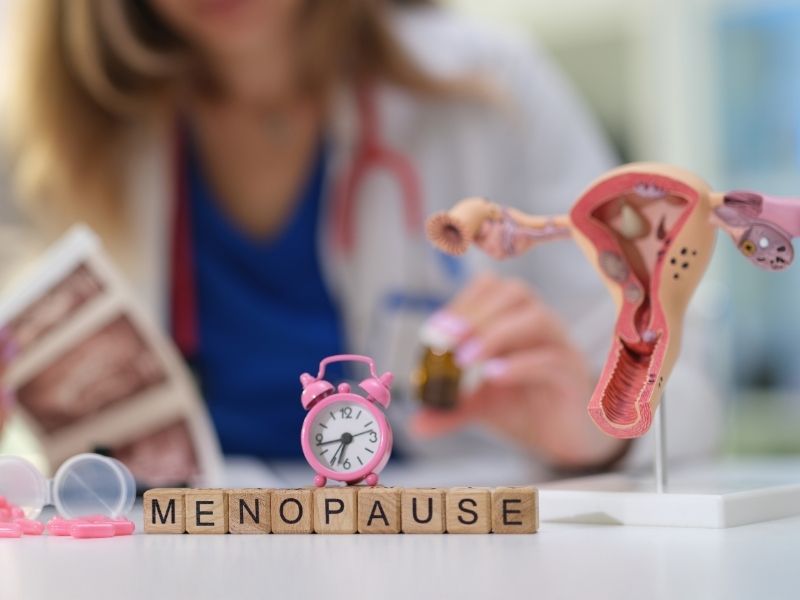
Medically, menopause is diagnosed when a woman has had no menstrual periods for at least 12 months. Because this process involves psychological adjustment as well as physiological changes, it is very important for women to have the information and support they need.
The Biological Process of Menopause
The biological process of menopause begins as women's ovarian reserve declines with age. A drop in the hormone estrogen is the main cause of common symptoms such as hot flashes, night sweats and mood swings. During this process, changes in the body's hormonal balance can lead to a slower metabolism, lower bone density and reduced skin elasticity. It is completely normal for every woman to experience this process differently, because genetics and lifestyle shape how strongly hormones take effect.
Signs That Menopause Is Beginning
To understand when menopause is starting, it helps to watch for certain signs. Irregular periods, heavier or lighter bleeding and changes in the time between periods generally indicate that perimenopause is beginning. During this period, the body may become more sensitive in regulating temperature, sleep patterns may be disrupted and mood swings may occur. Paying attention to these signals makes it easier to recognize that menopause is approaching.
Early Signs of Menopause
The early signs of menopause can start so mildly that they often go unnoticed. Mild hot flashes, occasional mood swings, difficulty concentrating or minor sleep problems are among these early signals. In some women these symptoms are short-lived, while in others they can last for many years. For most women, an irregular menstrual cycle in particular is the first major sign of menopause. Recognizing symptoms early makes it possible to make lifestyle changes at the right time.
Factors That Affect the Menopause Process
The factors that affect the menopause process are quite varied. Genetics is strongly linked to the age at which a woman's mother or close female relatives went through menopause. Smoking, stress levels, chronic illnesses, eating habits and physical activity greatly influence the age at which menopause begins and the severity of symptoms. Adopting a healthy lifestyle can significantly reduce the negative effects of menopause.
Emotional Symptoms of Menopause
Emotional symptoms are quite pronounced during menopause. Hormonal fluctuations can increase anxiety, heighten emotional sensitivity and make it harder to manage stress. Some women may experience depressive feelings, which can affect their daily quality of life. During this process, getting emotional support, communicating openly and, if necessary, seeking psychological counseling can be very beneficial.
Quality of Life After Menopause
Contrary to what many women think, quality of life after menopause does not have to be negative. When supported by accurate information and healthy lifestyle habits, this period can become quite balanced and peaceful. As hormonal changes settle down, some women say they feel more emotionally stable. In addition, the end of menstrual periods can bring a more comfortable flow and a sense of freedom to daily life. What matters at this stage is reading the body's signals correctly and putting the necessary care strategies into practice. Regular checkups with your doctor, a balanced diet and considering psychological support all help improve quality of life after menopause.
Nutrition Tips During Menopause
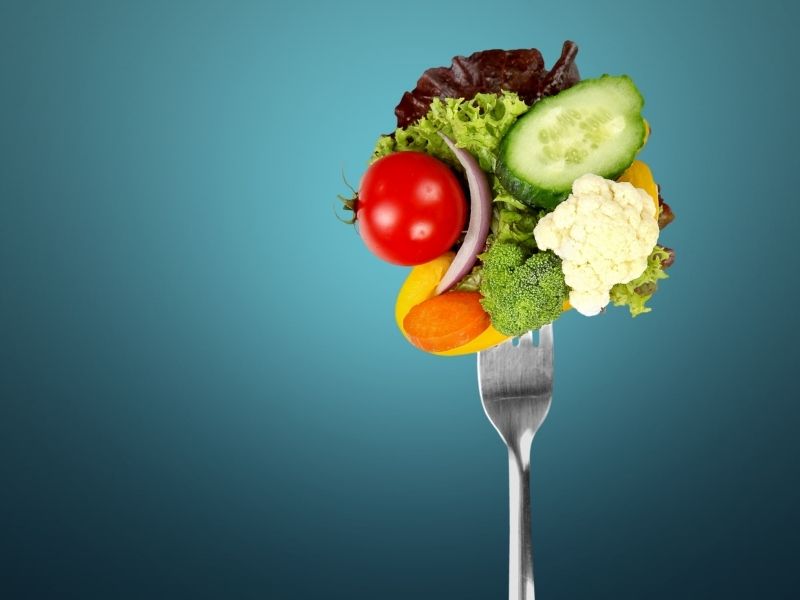
Nutrition during menopause is especially important because of fluctuating hormones. Metabolism may slow down during this period, so a balanced and carefully planned diet is needed. Foods rich in calcium and vitamin D protect bone health, while omega-3 fatty acids support both heart health and emotional balance.
High-fiber vegetables and fruits help keep the digestive system working regularly. Reducing excess sugar and processed foods can help support hormonal balance. Drinking water regularly may also help ease the hot flashes experienced during menopause. Overall, a natural and varied diet helps women grow stronger both physically and emotionally during this period. For more information, you can visit reliable health sources such as the World Health Organization.
The Importance of Exercise During Menopause
The importance of exercise during menopause is increasingly recognized. Regular physical activity plays a major role in reducing both the physical and emotional symptoms of menopause. Exercise helps preserve muscle mass and helps counter the loss of bone density caused by hormonal fluctuations. Light-paced walks, yoga, swimming and strength training are very beneficial during this period. Exercise also supports mental health by reducing stress levels. Regular exercise helps regulate heart rhythm and speeds up metabolism, making weight control easier. For this reason, women going through menopause are advised to add at least moderate physical activity to their daily lives.
Cardiovascular Health During Menopause
During menopause, cardiovascular health can become more vulnerable as estrogen levels drop. Estrogen is a powerful hormone that protects the blood vessels, and when it decreases, the risk of developing cardiovascular disease can increase. For this reason, women going through menopause need to pay more attention to their heart health. Exercising regularly, cutting back on smoking and alcohol, and keeping stress levels in check are important steps to minimize cardiovascular risk. Choosing foods low in saturated fat and reducing salt intake also support heart health. Having your blood pressure and cholesterol checked regularly helps detect possible risks early. Taking care of your heart during menopause is one of the most important ways to lead a healthier and more active life in later years.
Frequently Asked Questions
At What Age Does Menopause Start?
How Long Do Menopause Symptoms Last?
Is It Possible to Delay Menopause?
Why Does Menopause Affect Weight?
Is Low Sex Drive Normal During Menopause?
Is Hormone Therapy Harmful During Menopause?
