

Human papillomavirus, or HPV, is one of the most common sexually transmitted viruses. It has more than 100 types; some are harmless, while others can lead to genital warts and serious health problems such as cervical cancer. Many people become infected with HPV, and thanks to the immune system, the virus is cleared from the body within a short time. In some cases, however, the virus persists and can cause cellular changes. That is why HPV treatment is so important for preventing complications of the virus and improving quality of life.
Can HPV Be Treated?
There is not yet a specific treatment that directly kills HPV. However, this does not mean an HPV infection cannot be managed. Treatment focuses on eliminating the symptoms caused by the virus (such as warts and lesions), treating precancerous cellular changes, and supporting the immune system to help the body clear the virus over time.
Most types of the virus are eliminated by the immune system within 1 to 2 years without any intervention. In cases with a risk of persistent infection, however, regular follow-up and medical intervention may be needed.
How Can the Progression of an HPV Infection Be Stopped?
Although it is not possible to completely eradicate an HPV infection, it is possible to prevent the virus from progressing in the body and causing serious health problems. The main goals are to keep the immune system strong and to detect any cellular changes caused by the virus at an early stage through regular follow-up.
1. Monitoring with Regular Checkups
Follow-up of an HPV infection is very important. Regular Pap smears and HPV tests in women detect possible cellular changes early so that action can be taken. If abnormal cells are found on a Pap smear, treatment can be given before they turn into progressive lesions. For people who test positive for HPV, a checkup every 6–12 months is recommended.
2. Strengthening the Immune System
The immune system is our most effective weapon against HPV. People with strong natural defenses can often clear the virus completely within 1–2 years.
To strengthen your immune system: eat a balanced, natural diet (vegetables, fruits, probiotics), get enough sleep (7–8 hours a day), avoid stress, quit smoking and alcohol, and exercise regularly.
3. Supporting the Process Naturally
Certain vitamins and minerals are known to support the immune system against HPV. Do not take supplements such as vitamin C, vitamin D, zinc, or folic acid without your doctor's approval.
4. Mental Health Matters Too
An HPV infection can trigger feelings such as anxiety, shame, or fear. Because these emotions can weaken the immune system, it is important to get psychological support. Meditation, breathing exercises, and support groups can help you get through the process in a healthy way.
Medical Treatment Options for HPV
Although there is no medication that directly eliminates HPV, a variety of medical treatments have been developed to eliminate the symptoms and complications the virus causes. These methods are used particularly for genital warts, cellular changes of the cervix, and precancerous lesions.
Genital Wart Treatments
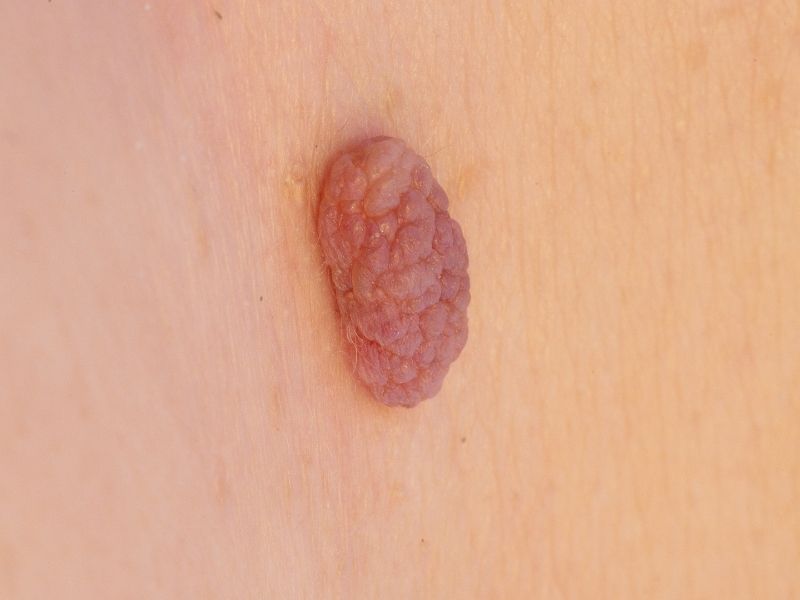
Genital warts are caused by low-risk types of HPV and are contagious. Several treatment options are available for these warts, including creams, freezing, laser removal, and surgical removal.
- Topical Creams: Treatment can be done at home with medication.
- Cryotherapy (Freezing): Warts are destroyed by freezing them with liquid nitrogen.
- Electrocauterization: Wart tissue is burned off with an electric current.
- Laser Treatment: Used in advanced cases; it is especially effective for recurrent warts.
- Surgical Methods: Excision (cutting out) is preferred for large warts.
Treatment of Abnormal Cells (Cervical Lesions)
Cellular changes of the cervix such as CIN1, CIN2, and CIN3, caused by high-risk HPV types, are considered precancerous stages. These changes are treated as follows:
- LEEP (Loop Electrosurgical Excision Procedure): The affected tissue is removed with an electrified wire loop.
- Conization: A cone-shaped portion of the cervix is removed, which serves for both diagnosis and treatment.
- Laser Ablation: Lesions are vaporized with a laser.
- Cryotherapy: The cells are destroyed by freezing.
Which of these methods is used depends on the grade of the lesion and the patient's age.
Supportive Medication
Although antivirals are not directly effective in treating HPV, medications that support the immune system may be used. These include:
- Interferon alfa: Helps treat warts by boosting the immune response.
- Immunomodulators: Activate the body's defense mechanisms.
- Vitamin and mineral supplements: Especially preparations containing vitamin D, zinc, and folic acid.
These medications should be used under a doctor's supervision; do not choose products at random.
Does HPV Come Back After Treatment?
Whether the virus or its symptoms will return after an HPV infection has been treated is one of the questions patients ask most often. Unfortunately, unless HPV is completely cleared by the immune system, it can become active again. For this reason, recurrence is possible in treated HPV cases. The recurrence rate of warts after genital wart treatment is approximately 20% to 30%. The recurrence rate is lower in people with a strong immune system.
How Long Does HPV Treatment Take?
How long HPV treatment takes varies depending on how long the virus stays in the body, the symptoms it causes, and the strength of the person's immune system. While HPV disappears within a few months in some people, in others it can persist for years. That is why patience, discipline, and regular follow-up are so important in HPV treatment. In most cases, the immune system can clear HPV within 1 to 2 years.
Treatment of genital warts, the most common symptom caused by HPV, can take anywhere from a few weeks to a few months depending on the method used. Healing may take 2–4 weeks with creams, 1–3 sessions with cryotherapy, and a single session with laser or surgical procedures.
After HPV treatment, patients are advised to have regular checkups for at least 2 years. At these checkups, a Pap smear and an HPV test are performed to assess the risk of recurrence.
