

When deciding on surgery for uterine prolapse, the patient's age, fertility (that is, her desire to have children), and surgical risk must be taken into account. It is very important to be examined by a physician experienced in prolapse treatment, because there are many different surgical techniques, and a very thorough examination is needed to decide which one is right for you.
The prolapsed organs may be your bladder (cystocele), your bowel (rectocele), or your uterus (uterine prolapse). If you also have urinary incontinence, an additional procedure may be needed. It is possible for us to perform prolapse surgery without removing your uterus. With minimally invasive (laparoscopic) surgery, it may be possible to return the prolapsed tissue to its proper position.
What Problems Can Uterine Prolapse Cause?
Before discussing the problems uterine prolapse can cause, it is helpful to know about its symptoms. Symptoms can vary depending on the degree of prolapse. The most noticeable symptoms of uterine prolapse include urinary incontinence, lower back pain, tissue that can be seen or felt coming out of the vagina, a pulling and heavy sensation in the pelvis, pelvic pain, constipation, urinary tract infections, and sexual dysfunction.
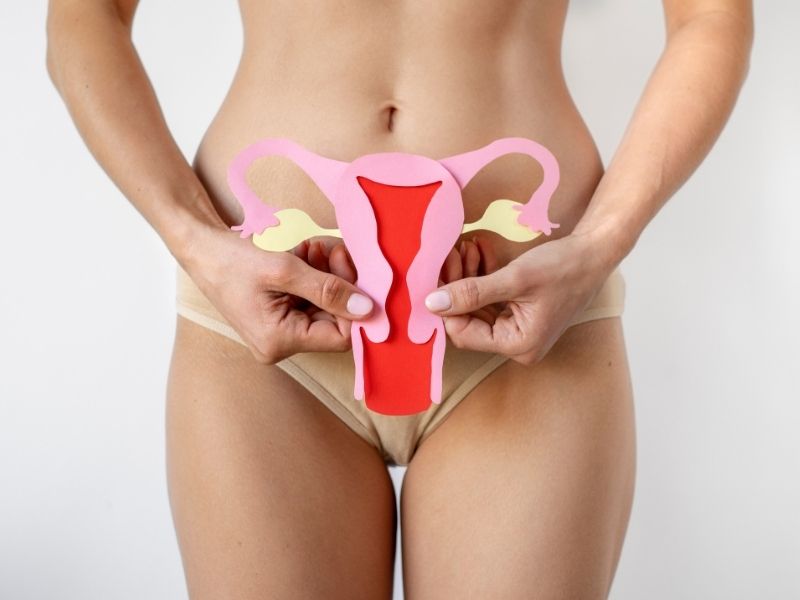
In advanced uterine prolapse, pain may be felt in the vagina and sores may develop. This can rarely lead to infection. Uterine prolapse can also lead to conditions such as bowel and bladder prolapse. It can cause urinary tract infections. As a result, bowel prolapse and difficulty with bowel movements may occur, and hemorrhoids may develop.
Who Gets Uterine Prolapse?
Having answered the question what causes uterine prolapse, we can now look at which women are most affected by prolapse. Uterine prolapse can occur in women of any age and can reduce quality of life. However, the risk of uterine prolapse is higher in older women, and especially in those who have given birth many times.
What Happens If Uterine Prolapse Is Left Untreated?
Uterine prolapse is a health problem that can be resolved with procedures also known as genital prolapse surgery. Very mild prolapse does not require treatment. However, if the uterus has dropped far enough to protrude outside the vagina, accompanying problems can occur. With this degree of prolapse, the uterus may protrude far enough to touch the underwear, and sores and ulcers may form. Uterine prolapse treatment should not be neglected.
Does Uterine Prolapse Prevent Sexual Intercourse?
When uterine prolapse is advanced, women may experience sexual problems and low sexual desire. Along with difficulties in their sex life, complaints such as low self-esteem and avoiding social situations may also occur.
What Is a Cystocele (Bladder Prolapse)?
A cystocele (anterior vaginal prolapse), commonly known as a dropped bladder, is when the bladder sags lower than its normal position in the pelvis and pushes against the vaginal wall. It is a health problem that can be treated with bladder prolapse surgery.
Symptoms of a prolapsed bladder in women include the following:
- Feeling tissue bulging from the vagina
- A frequent urge to urinate
- Urine leakage when laughing, coughing, or sneezing
- Urine leakage during sexual intercourse
- Straining to urinate
- Recurrent urinary tract infections
- A constant feeling of needing to go to the bathroom
Bowel Prolapse Surgery in Gynecology
Bowel prolapse in women is a health problem that can be resolved with surgery. Bowel prolapse reduces quality of life and is one of the complaints people tend to avoid talking about. However, the best thing to do is to consult a physician about it.
Bowel Prolapse into the Vagina
Bowel prolapse into the vagina, such as a rectocele or bowel hernia occurring around the vaginal wall, causes sagging and wear in this area. This very common health problem causes the rectum to bulge into the vagina as a result of straining. Over time, this prolapse leads to a hernia in the area, which can become a painful process.

Rectal Prolapse
In bowel prolapse through the anus, also known as rectal prolapse, a reddish mass coming out of the anus can usually be seen when straining. The mass may slide back inside the anus or remain visible. Bowel prolapse can also lead to conditions that seriously affect quality of life, such as being unable to control bowel movements.
When bowel prolapse is noticed, it is very important to see a specialist so that the condition can be treated before it leads to worse outcomes.
