

The HPV vaccine protects against the human papillomavirus (HPV), which can cause cervical, genital and head and neck cancers as well as warts. It is recommended between the ages of 9 and 26, before a person becomes sexually active; it is usually given in 2 or 3 doses, and maximum protection develops about 4 months after the last dose.
What Is the HPV Vaccine and How Does It Protect You?
The HPV vaccine is a highly effective vaccine that builds immunity against the types of papillomavirus that cause cancer and warts. It protects against multiple HPV types, most notably HPV type 16 and HPV type 18, which cause cervical cancer. You can find detailed information about the HPV virus itself and how it spreads on our "What Is HPV?" page.
Who Should Get the HPV Vaccine and at What Age?
The HPV vaccine can be given from age 9 to anyone, regardless of sex, who has no health condition that prevents vaccination. The highest protection is achieved between ages 9 and 26, before a person becomes sexually active; however, current data show that it also provides some degree of protection at age 45 and older, so it is recommended without an upper age limit.
How Many Doses of the HPV Vaccine Are Given? Vaccination Schedule
The HPV vaccine is given in 2 or 3 doses depending on age:
- Under age 15: 2 doses, 6 months apart
- Age 15 and older: 3 doses — the 2nd dose 2 months after the first, and the 3rd dose 4 months after the 2nd
The number of doses needed and the intervals between them may vary depending on a person's age and health status; you should talk to your doctor about the exact schedule
Where Is the HPV Vaccine Given?
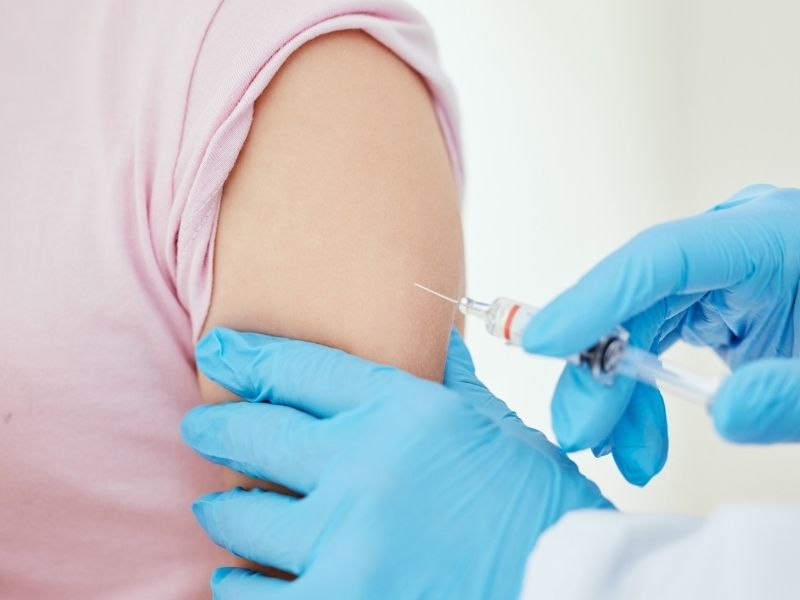
The HPV vaccine is given by injection at appropriate healthcare facilities. Before vaccination, the person's age, whether they have had an HPV vaccine before, their health status and the number of doses needed are evaluated. Where the vaccine is given and the vaccination schedule may be determined based on the person's health status and current healthcare practices.
HPV Vaccine Prices
The main factors that affect the price of the HPV vaccine are:
- Vaccine brand: Different HPV vaccines may differ in the scope of protection and in price.
- Number of doses: The total cost varies depending on whether 2 or 3 doses are needed based on the person's age.
- Where it is given: Buying the vaccine from a pharmacy and the injection fee at the clinic or hospital are separate costs.
The Turkish Social Security Institution (SGK) and private insurers generally do not cover the HPV vaccine.
