The length of the menstrual period, a sign that a woman's reproductive functions are working regularly and well, can vary from woman to woman. A menstrual cycle of 21–35 days is considered normal. The time from the start of one menstrual bleed to the start of the next is called a cycle. In conditions such as polycystic ovary syndrome, the menstrual cycle can become irregular.
How Does Menstruation Happen?
What it means to have a period is one of the most common questions women ask about menstruation, also known as the menstrual period. A woman's first menstrual bleeding begins during puberty (usually between the ages of 8 and 14) and occurs regularly every month until menopause (which usually begins between the ages of 40 and 55).
This vaginal bleeding is also known as a period. During this phase, also called menstruation, the amount and duration of bleeding vary from person to person. This bleeding, which occurs on average once every 28 days, is called menstrual bleeding. That, in short, is the answer to the question of what happens when you get your period.
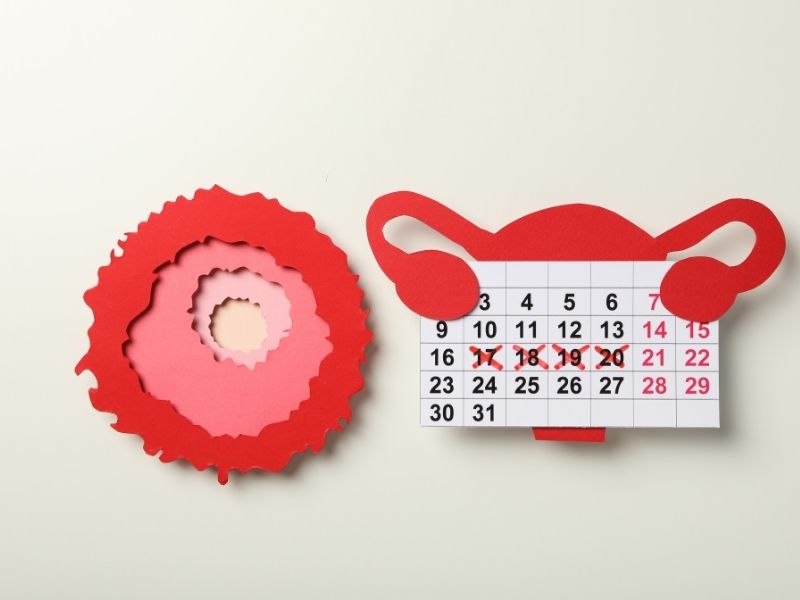
How Does Ovulation Happen?
In a menstrual cycle that occurs on average every 4 weeks, ovulation takes place around day 14. A woman of reproductive age who wants to get pregnant should have regular unprotected intercourse starting from the 9th day after the start of her menstrual bleeding.
Because the chance of the egg and sperm meeting is higher during this time, the chance of pregnancy also increases. Tracking this time window is recommended to improve your chances of getting pregnant.
What Should I Do to Ovulate?
Things you can do to support ovulation and the start of a pregnancy include the following:
- Track your menstrual cycle and determine when you ovulate.
- Have regular intercourse with your partner during your ovulation period.
- Keep track of your ovulation times by writing them down.
- Use ovulation calculators.
- Increase how often you have intercourse during ovulation.
- If you have irregular periods, be sure to see an obstetrician-gynecologist for an examination.
- Pay attention to and evaluate the ovulation signals your body gives.
- You can learn about your ovulation cycle by using an ovulation test.
- Eat a healthy diet and adopt a regular sleep schedule and a healthy lifestyle.
- If you are unable to get pregnant, look into the reasons without delay.
How Can We Tell That Ovulation Is Happening?
Signs of ovulation point to the ovulation period, one of the phases that affect a woman's ability to get pregnant. During this time, certain signs appear in a woman's body. However, these signs may not occur to the same degree or in the same way in everyone. In other words, some women feel the signs of ovulation intensely, while others may not notice any signs at all. However, whether the signs are very intense or completely absent has no effect on the ovulation process itself.
Abdominal pain is one of the most common signs people feel during ovulation. Many women feel cramping in the lower abdomen during this time. This pain occurs because the surface of the follicle containing the egg stretches before the egg is released toward the fallopian tubes. Once the egg is released into the fallopian tubes, the pain may turn into burning and cramping sensations.
Another common sign during the ovulation period is a change in the amount of cervical mucus, that is, vaginal discharge. This discharge increases somewhat as ovulation approaches. Cervical mucus, which looks clear, slippery, and stretchy, increases during this time to make it easier for sperm cells to reach the uterus, and it also helps sperm survive longer in a woman's body.
During ovulation, there may be bleeding in the form of drops or spotting. In addition, signs such as sensitivity to tastes and smells, bloating in the abdomen, breast tenderness, increased sex drive, and a wider opening of the cervix may also occur. This is how the question how can you tell you are ovulating can be answered.
What Are Irregular Periods?
Irregular periods can be considered when bleeding occurs at intervals shorter than 21 days or longer than 35 days. In addition, having no bleeding for 3 months or longer, bleeding that is lighter or heavier, or shorter or longer, than usual, and bleeding outside the menstrual period are considered menstrual irregularities. Disorders that affect the menstrual pattern can be listed as follows:
- Hypermenorrhea: Heavier than normal menstrual bleeding
- Hypomenorrhea: Lighter than normal bleeding
- Menometrorrhagia: Heavy bleeding occurring at irregular intervals
- Menorrhagia: Prolonged menstrual periods
- Metrorrhagia: Menstrual bleeding occurring at irregular intervals
- Oligomenorrhea: More than 35 days between two menstrual cycles.
- Polymenorrhea: Menstrual cycles occurring more often than every 21 days.
What Causes Irregular Periods?
Irregular periods can happen for many reasons. Symptoms of irregular periods may include changes in how often or how long menstrual bleeding lasts, very heavy or light bleeding, changes in the intervals between periods, periods stopping completely, or intermittent bleeding. A woman with symptoms of irregular periods should consult a doctor to determine the cause and receive appropriate treatment. The causes of irregular periods can be listed as follows:
- Hormonal imbalances: Hormonal imbalances are among the most common causes of irregular periods. The hormones estrogen and progesterone play an important role in regulating the menstrual cycle, and any change in these hormones can lead to irregular periods.
- Stress: Stress is another factor that affects the menstrual cycle. High stress levels can trigger the release of the hormone cortisol, which in turn can affect the menstrual cycle.
- Weight changes: Excessive weight gain or weight loss can lead to hormonal imbalances and affect the menstrual cycle.
- Use of birth control: Birth control pills or other birth control methods can also cause hormonal imbalances.
- Thyroid problems: Abnormalities of the thyroid gland can cause irregular periods. Thyroid hormones help regulate the menstrual cycle.
- Polycystic ovary syndrome (PCOS)
- Medical conditions: Anorexia, endometriosis, uterine fibroids, intrauterine adhesions, infections, and other medical conditions can cause irregular periods.
- High prolactin: Prolactin is the milk hormone. Irregular periods may occur when prolactin levels are high.
What Tests Are Done for Irregular Periods?
Which tests are done depends on factors such as how long the irregular periods have been occurring and the complaints experienced during menstruation. Tests performed when irregular periods are present include:
- Hormone tests: Hormone levels can be measured with blood tests. These tests make it possible to examine hormonal changes during the menstrual cycle and to detect underlying hormonal imbalances such as ovulation or thyroid problems and prolactin hormone disorders .
- Pelvic exam: During this exam, the doctor gently presses on the patient's lower abdomen and checks the pelvic organs by hand to assess the size, shape, and consistency of the uterus and ovaries.
- Ultrasonography: Used to create images of the uterus, ovaries, and pelvic structures. Ultrasonography can detect problems such as cysts or fibroids.
- Endometrial biopsy: An endometrial biopsy may be performed to take a sample of the lining of the uterus. This sample can help detect serious problems such as cancer or other medical conditions.
- Laparoscopy: A surgical procedure performed through a thin tube equipped with a camera; it can be used to detect pelvic problems such as endometriosis or cysts.
How Are Irregular Periods Treated?
Treatment for irregular periods varies depending on the cause. Treatment options for irregular periods include:
- Hormonal treatment: Hormonal treatment is the most commonly used method for treating irregular periods. Hormonal medications such as birth control pills, a hormonal IUD, or a hormonal vaginal ring regulate the menstrual cycle by balancing the levels of estrogen and progesterone.
- Diet and exercise: Weight loss can help correct irregular periods. A healthy diet and regular exercise can help prevent hormonal imbalances.
- Surgery: If the cause is a medical condition such as fibroids or another abnormality of the uterus, surgery may be needed.
- Psychological counseling: Irregular periods can also be caused by psychological factors such as stress or anxiety. Psychological counseling helps you learn stress management techniques.
What Causes Painful Periods? How Should Painful Periods Be Treated?
There is more than one possible cause behind painful periods. When period pain reaches unbearable levels, the underlying cause must always be investigated. Treatment for painful periods can be provided by a physician once the underlying cause of the pain has been found.
The main causes of painful periods can be listed as follows:
- Cervical stenosis: In some women, the opening of the cervix is narrow enough to block menstrual flow. This narrowing increases pressure inside the uterus, which leads to pain.
- Endometriosis: A condition in which the tissue lining the inside of the uterus grows outside the uterus, onto the fallopian tubes, the ovaries, or other tissues lining the pelvis. It can cause chocolate cysts (endometriomas), and in addition to painful periods, it may also cause pain during intercourse.
- Uterine fibroids: Uterine fibroids, which form from muscle and fibrous tissue in the wall of the uterus, are noncancerous tumors that can be firm and grow quite large. People with uterine fibroids may experience more severe pain during their periods.
- Adenomyosis: In this condition, the tissue lining the uterus begins to grow into the muscular walls of the uterus.
- Pelvic inflammatory disease: This infection of the female reproductive organs is usually caused by sexually transmitted bacteria.