A 30-year-old woman's chance of conceiving naturally is 20% in the first month. In other words, one in every 5 women can get pregnant without treatment by the end of the first month. After 6 months, this rate is around 75%. Among the treatments used for women who cannot conceive naturally, the one with the highest chance of success is ‘IVF treatment’.
IVF success rates can vary depending on many factors. The questions couples ask most often are: "What is the IVF success rate?" and "Where can I find success rates?"
IVF success rates are usually expressed as the IVF pregnancy rate, and most clinics state how many pregnancies are achieved per treatment cycle. IVF success rates can vary from country to country, from clinic to clinic, and even within a single clinic. In fact, true success means sending couples home with a baby in their arms.
What percentage of first-attempt IVF cycles work? What is the chance of a second IVF cycle working? In general, IVF success rates can range from 50% to 70%. However, in individual cases these rates can be much higher or lower. Because many factors affect success rates, it is important for couples to talk in detail with their doctor and discuss their personal situation.
What Is the IVF Success Rate?
What needs to be done to improve your chances with IVF is not limited to the treatment process itself. The couple should be thoroughly evaluated before treatment. Anatomical problems that can reduce IVF success, such as adhesions in the uterus or swollen fallopian tubes, should be corrected before IVF treatment, vitamin support should be started, and a healthy lifestyle should be adopted. During treatment, IVF success rates can vary depending on the woman's age, the number of eggs, the treatment methods used, the clinical experience of the infertility specialist, the technological equipment of the IVF center, the experience of the embryologist, and many other factors that I will discuss below.
What Factors Affect IVF Success?
Calculating the IVF success rate depends on many factors. The factors that affect IVF success, in other words the chance of IVF working, include: the woman's age, egg quantity and quality, embryo number and quality, the woman's reproductive health, the quality of the IVF center's laboratory (its technological equipment), the genetic status of the embryo, the IVF treatment methods and protocols used, the IVF experience of the OB-GYN, the couple's general health, genetic factors, and the experience of the embryologist.
Even if the woman is of advanced age, it is possible to achieve success with the first embryo transfer using a single good embryo created from a good-quality egg and sperm. There is always a chance of IVF working with a single egg.
What Is the Ideal Age for IVF?
How does a woman's age affect the IVF success rate? Younger women generally have higher fertility rates. For this reason, the IVF treatment success rate is generally higher in younger women. As women get older, the likelihood of eggs with genetic problems and genetically abnormal embryos increases. Therefore, the chance of IVF working decreases with age. That is why it is important for couples who want a child to seek IVF treatment as early as possible. At a younger age, the likelihood of good-quality eggs and good-quality embryos is higher.
Although the chance of getting pregnant with a first IVF attempt varies depending on many factors and from one IVF center to another, it is generally as follows:
- In women under 35, the success rate, that is, the pregnancy rate, is 60–70%.
- Between the ages of 35 and 37, the pregnancy rate is 40–45%.
- Between the ages of 38 and 40, the pregnancy rate is 30%.
- In women over 42, the IVF pregnancy rate is 5%.
Do Egg Count and Egg Quality Matter in IVF?
As egg count and egg quality increase, the IVF success rate increases. Reasons why IVF fails can include problems with egg quality or poor-quality embryos.
The number of eggs significantly affects IVF success, but it is not the only factor that influences the chance of IVF working. Retrieving more eggs in IVF provides more embryo options and increases the chance of IVF success. However, a very high number of eggs can also have negative effects. For example, the risk of ovarian hyperstimulation syndrome may increase. For this reason, it is important for the egg count to be balanced. The development of embryos that reach day 5 is the most important criterion affecting the chance of IVF working. Women with low ovarian reserve in particular should know that there is a chance of IVF success even with a single egg.
Egg quality, while more important than egg quantity, directly affects embryo development and the chance of a healthy pregnancy. When good-quality eggs are combined with good-quality sperm, good-quality embryos are formed and the IVF pregnancy rate increases. Younger women generally have higher-quality eggs, which increases IVF treatment success. In addition, older women or women with certain health problems may have lower-quality eggs, which can lower the success rate.
With low ovarian reserve, the number of eggs retrieved after the egg-stimulating medications and trigger shot we give during IVF treatment is fewer than 3. When the number of eggs retrieved during IVF treatment is above 15–20, this is called "high ovarian reserve." In patients with polycystic ovaries, the number of eggs retrieved during IVF treatment tends to be high, and the chance of IVF success with polycystic ovaries is high.
The eggs' ability to be fertilized, or the fertilization rate, is another important factor affecting success. A higher fertilization rate increases the chance of obtaining more healthy embryos.
Embryo Number and Embryo Quality in IVF
Embryo quality is assessed based on the number, shape, and size of the cells. Embryos can be transferred on day 3, 5, or 6. However, to increase IVF success, our preference is day 5 embryo transfer. Embryos that reach day 5 are of higher quality and have a better chance of resulting in pregnancy, but this does not show that they are genetically normal embryos. The answer to the question "Why does IVF fail?" is most likely poor embryo quality. For this reason, in couples with recurrent IVF failures, genetic testing of embryos to detect chromosomal problems increases success.
The Woman's Reproductive Health
The woman's reproductive health is also very important. The structure of the uterus, ovarian reserve, hormonal balance, and the health of the other reproductive organs can affect treatment success. Conditions such as uterine anomalies (for example, a uterine septum, uterine adhesions, a T-shaped uterus, or a Y-shaped uterus), ovarian cysts, and fluid buildup in the fallopian tubes (swollen tubes, hydrosalpinx) can negatively affect IVF success. Fluid buildup in the tubes is a cause of IVF failure and can also lead to miscarriages.
Male Reproductive Health (Sperm Count and Sperm Quality)
The man's sperm quality and quantity are also important for IVF pregnancy rates. Poor sperm quality or low sperm count can negatively affect the success of IVF treatment.
IVF Treatment Methods and Protocols Used
The treatment methods and protocols used also affect outcomes. For example, factors such as which medications are used, when the eggs are retrieved, and how the embryos are transferred can determine the success of treatment. The experience of the IVF specialist is very important in this regard.
The OB-GYN's Experience with IVF
The clinic's experience and expertise are very important in IVF treatment. An experienced team and good infrastructure increase the chance of success.
The Couple's General Health
Do habits such as smoking and drinking alcohol affect the IVF success rate? The general health of both the woman and the man can affect the success of IVF treatment. A healthy lifestyle, good eating habits, and quitting harmful habits such as smoking and alcohol can increase the success of treatment.
Do Genetic Factors Play a Role in IVF?
Certain genetic factors can affect the success of IVF treatment. They may have an effect on IVF success especially if there are recurrent miscarriages or risks of genetic disease.
The IVF Center's Technological Equipment and the Embryologist's Experience
A critical factor that determines IVF success rates is the quality of the IVF center. The center's laboratory technology, the range of treatment options, and the use of high-quality, state-of-the-art equipment can directly affect the embryo development process and the quality of the resulting embryos.
Need for Advanced Technology: The IVF procedure is an extremely delicate process and requires state-of-the-art equipment. It is especially important to use advanced equipment at stages such as embryo culture and monitoring, egg retrieval, and fertilization.
Precision and Accuracy: The precision and accuracy of the equipment used during the IVF procedure can determine the chance of success. For example, the proper functioning of the micromanipulators used in embryo transfer and of embryo monitoring systems can affect success.
Sterilization and Quality Control: IVF is a procedure that must be performed under sterile conditions. Therefore, sterilization and quality control of the equipment are extremely important. Any contamination or quality problem can reduce the chance of success.
Efficiency and Reliability: A good IVF center ensures that the equipment used during the procedure is efficient and reliable. Faulty or unreliable equipment can disrupt the process or lead to failure.
Innovation and Progress: Technological advances in the field of IVF are ongoing. A good IVF center keeps up with innovative equipment and continually strives to increase treatment success by using up-to-date technologies.
Obtaining high-quality embryos requires careful preparation after egg retrieval, proper sperm selection, meticulous management of the fertilization process between egg and sperm, and close cooperation within an experienced and attentive team. In addition, the modern devices and methods used in the laboratory play a critical role in the success of IVF treatment.
Technologies such as IMSI and ICSI can help select the healthiest sperm cells and help fertilization take place successfully. Innovative devices such as the EmbryoScope, which allows continuous monitoring of embryos, as well as artificial intelligence, genetic testing methods such as NGS, the piezo method, and calcium ionophore can also improve fertilization and IVF success rates and optimize embryo quality. Having methods like these available in the embryology laboratory increases the chance of IVF working.
In conclusion, the technological infrastructure of IVF clinics and the methods they use are important determining factors in treatment success. Up-to-date technology and an expert team are needed to obtain high-quality embryos.
Embryo Transfer in IVF
Embryo transfer is a stage that significantly affects the success of IVF treatment. Here are some of the main ways embryo transfer affects IVF success:
IVF Pregnancy Rates: Embryo transfer means placing the embryo into the uterus. A successful embryo transfer supports healthy implantation of the embryo in the uterus and the start of pregnancy. Therefore, a successful embryo transfer increases IVF pregnancy rates.
First-Attempt IVF Success Rate: Embryo transfer is one of the most important stages of IVF treatment and can often determine whether treatment succeeds on the first try. A successful transfer can reduce the need for repeated IVF attempts.
Morphological Quality: The quality of the embryo used during embryo transfer directly affects success. Transferring morphologically healthy and normal embryos increases the chance of pregnancy.
Endometrial Receptivity: Before embryo transfer, the suitability of the uterine lining (endometrium) is assessed. A receptive uterine lining supports successful attachment and development of the embryo. Therefore, the receptivity of the uterine lining is a critical factor affecting the success of embryo transfer.
Transfer Technique and Protocols: The techniques used and the protocols followed during embryo transfer affect success. Embryo transfer techniques that require expertise, along with appropriate protocols, support successful implantation of the embryo in the uterus.
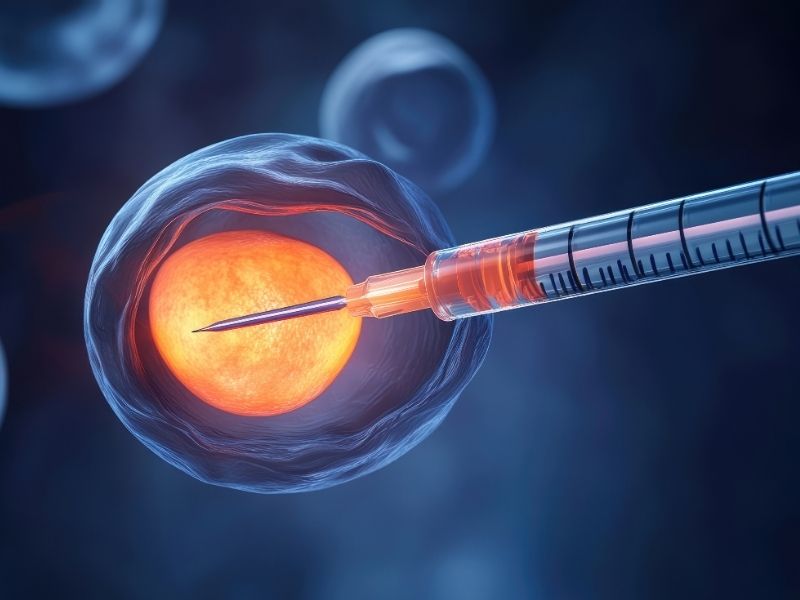
IVF Clinical Experience and Expertise: Embryo transfer should be performed by an experienced, expert IVF team. Clinical experience and expertise can increase the success of the transfer.
Embryo transfer is a critical stage of IVF treatment, and its success depends on many factors coming together. Since every patient is different, embryo transfer should be carefully planned and managed before and after the procedure.
Embryo transfer is a painless procedure and does not require anesthesia, but in some patients embryo transfer can also be performed under anesthesia.
Medications that reduce contractions of the uterine muscle can be given during embryo transfer, but choosing the right patients is important.
Each of these factors that influence IVF success rates affects the success of IVF treatment and should be taken into account when planning treatment. During the treatment process, it is important for couples to work closely with their doctor and discuss treatment options in detail.
What Can You Do to Help IVF Work?
IVF (in vitro fertilization) is a method couples turn to when they cannot have a child naturally. The treatment process is quite complex and involves a series of steps. Here are the steps generally followed in IVF treatment:
Initial IVF Evaluation: The first step toward IVF is a consultation with a specialist doctor. Here, the couple's medical history is reviewed in detail and information is given about suitable treatment options. The woman undergoes an examination and ultrasound, hormone tests are checked, a uterine X-ray (HSG) is taken, and a semen analysis is requested from the man. If an underlying condition is found in the woman, it is treated. If there is a uterine septum, adhesions, a fibroid pressing on the uterine lining, or a polyp, the patient undergoes hysteroscopy before IVF. This is because, to increase the chance of IVF working, the embryo transfer needs to be made into a healthy uterus. Problems with sperm count or quality can sometimes be treated before IVF. For this reason, if there is a sperm problem, it is necessary to see a urologist.
Creating a Treatment Plan: After evaluating the couple's situation, the doctor prepares a customized treatment plan. This plan is personalized according to the couple's needs and health status. Our clinic offers individualized IVF. At this stage, some antioxidant and vitamin support may be recommended. In conditions that could negatively affect the course of pregnancy, such as insulin resistance and diabetes, certain additional blood sugar–regulating medications should be added to the IVF treatment.
Hormonal Stimulation: A process is started in which the woman's ovaries are stimulated with hormone medications to encourage the development of multiple eggs. This allows the ovaries to produce more eggs. The medications used at this stage and their doses are very important for increasing the chance of IVF working.
Egg Retrieval: Once the eggs have matured, the doctor performs a procedure to retrieve them. This procedure is usually done under light sedation, and the eggs are retrieved under ultrasound guidance. The experience of the doctor and the embryology laboratory is very important at this stage.
Sperm Sample: What is male factor in IVF? At the same time as the egg retrieval procedure in the woman, a healthy sperm sample is collected from the man. This sample should contain the good-quality sperm cells needed for fertilization. In IVF treatment, correcting male factor can increase the chance of IVF success. A low sperm count or abnormal sperm shape can negatively affect IVF success. If there is no sperm at all in the semen or the sperm count is severely low, hormone tests and genetic analyses should be performed. Correcting irregularities in hormone levels can help increase sperm count.

In cases of absent sperm, sperm can be retrieved from the testicles with a needle by biopsy on the day of egg retrieval. For sperm shape abnormalities, recommendations may include quitting smoking, losing weight (diet and exercise), and certain vitamin and antioxidant treatments. In severe sperm shape abnormalities, sperm can be retrieved from the testicles with a needle using the micro-TESE method.
These measures can help improve male factor during the treatment process and contribute to the success of IVF treatment.
Fertilization and Embryo Development: The retrieved eggs are fertilized in the laboratory. The developing embryos are then monitored for several days, and the healthiest ones are selected.
Embryo Transfer: The selected healthy embryos are transferred into the uterus. This procedure is quick and relatively painless and usually does not require anesthesia.
Every step of the IVF in Ataşehir treatment process is carried out with the close cooperation of the couple and the careful guidance of the doctor. Being in a supportive environment during this process and following the recommendations of an experienced IVF doctor can increase the chance of success.
Is Artificial Intelligence Important for Improving IVF Success?
Artificial intelligence in IVF is a method that uses the power of computer technology to select embryos and sperm. You can read our article titled ‘Artificial Intelligence in IVF’.
Is the Piezo Method Important for Improving IVF Success?
It is a method that activates the eggs with the help of an electric current applied to them.
Is EmbryoGlue Important for Improving IVF Success?
EmbryoGlue is a special fluid used in IVF treatment. You can read our article titled ‘EmbryoGlue in IVF ’.