

Menopause is a natural transition in a woman's life, and the hormonal changes during this time can also affect her sex life. While many women wonder about the changes in sexuality after menopause, having access to accurate and reliable information is very important. Sex after menopause is an experience that can vary from woman to woman and is influenced by both physical and emotional factors.
Is Sex Painful After Menopause?
Sex after menopause can be painful for some women, but this is not true for everyone. With menopause, the decline in estrogen causes the vaginal tissue to become thinner and lose its elasticity. These changes can show up as burning, stinging, or pain during sex. Pain during sex after menopause is most often related to vaginal dryness.
Pain is not caused by physical factors alone. Having experienced pain before can lead to muscle tightening and anxiety during sex. This creates a vicious cycle that makes the pain worse. For this reason, both the physical and psychological aspects of the problem should be addressed together.
Sex after menopause does not have to be painful. With appropriate treatment options and lifestyle changes, pain can be greatly reduced. Seeing an obstetrician-gynecologist (OB-GYN) is important to correctly identify the cause of the problem. With early intervention, a healthy and comfortable sex life can be maintained after menopause as well.
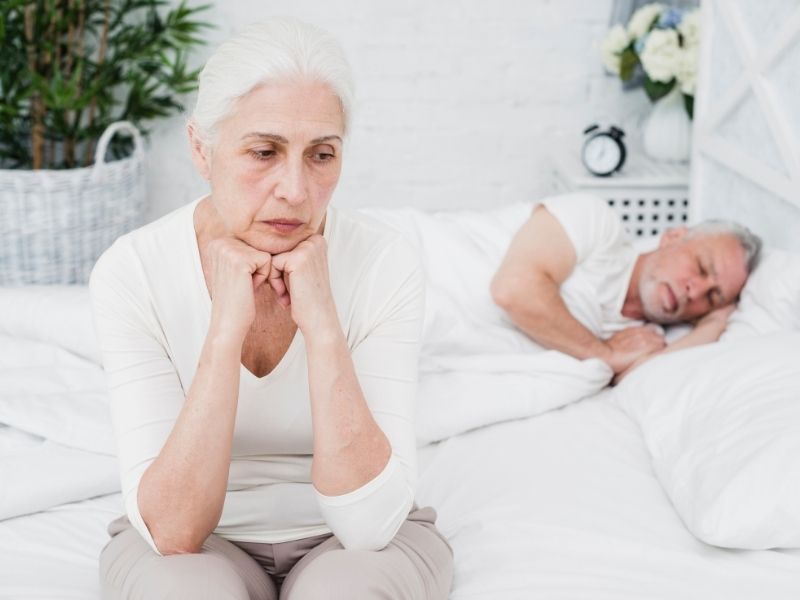
Does Sexual Desire Decrease After Menopause?
After menopause, a decrease in sexual desire is common. Changes in hormone levels, especially the decline in estrogen and testosterone, can directly affect libido. However, a decreased desire for sex after menopause cannot be explained by hormonal causes alone.
Click to read frequently asked questions about menopause .
Sleep problems, hot flashes, fatigue, and mood changes are also among the factors that affect sexual desire. Psychological factors play an important role during this period as well. Changes in a woman's body image, worries about aging, and self-esteem issues can lead to decreased sexual desire. In addition, communication problems with a partner can also have a negative effect on sex after menopause.
What matters during this time is accepting that changes in sexual desire are a natural process and looking for solutions. Getting expert support when needed helps maintain both physical and emotional balance. With the right approach, sex after menopause can become satisfying again.
How Does Vaginal Dryness After Menopause Affect Sex?
Vaginal dryness after menopause is one of the most common problems affecting sex after menopause. As estrogen declines, the moisture level of the vaginal tissue drops and the tissue becomes more sensitive. This can lead to discomfort and pain caused by friction during sex.
Vaginal dryness should not be viewed as only a physical problem. Discomfort during sex can, over time, lead to a lack of desire and avoidance. This in turn can have a negative effect on emotional intimacy between partners. That is why it is important to address the problem early.
It is possible to manage vaginal dryness during sex after menopause. With appropriate treatment and supportive methods, the health of the vaginal tissue can be maintained. A woman getting to know the changes in her own body and communicating openly with her doctor are among the important factors that improve sexual quality of life.
Is Sex Safe After Menopause?
Sex after menopause is safe for women whose overall health allows it. Although the risk of pregnancy largely disappears with menopause, sex does not become completely risk-free. Protection against sexually transmitted infections remains important after menopause as well.
From a physical standpoint, sex after menopause can help keep the vaginal tissues healthy by increasing blood flow. Maintaining a sex life also has positive effects on mood and supports quality of life. However, if there is pain, bleeding, or significant discomfort during sex, you should definitely see a specialist.
Sex after menopause is safe, but individual health conditions must always be taken into account. Regular gynecological checkups are very important for protecting sexual health during this period.
How Can You Have a Healthier Sex Life After Menopause?
Sexual health after menopause depends not only on physical factors but also on emotional and psychological balance. During this time, the changes in the body should be accepted as natural, and one's sex life should be reshaped accordingly. With the right information and approach, sex after menopause can continue in a satisfying way.

Open communication is one of the most important parts of this process. Understanding and support between partners help keep a sex life going. It is also very important for a woman to get to know her own body and recognize her needs. Getting professional support when needed can make this process healthier.
Sex after menopause is not a part of life that comes to an end, but one that changes and evolves. With the right support, this period can become a time of new intimacy and sharing for couples.
