When screening tests for cervical cancer reveal abnormal cells, or when high-risk HPV types are detected, we recommend colposcopy and biopsy. Abnormal cell growth in the cervix is called cervical dysplasia. Dysplasia is not cancer, but if left untreated, it has the potential to turn into cancer.
Based on the colposcopy and biopsy results, we classify lesions as low-risk or high-risk and then draw up a treatment and follow-up plan. Low-risk lesions (CIN 1) require routine follow-up and usually heal on their own. High-risk lesions (CIN 2, CIN 3) need to be treated because of the risk of progressing to cancer.
Treatment of Precancerous Cervical Lesions
For lesions with a high risk of cervical cancer, we prefer to perform LEEP (Loop Electrosurgical Excision Procedure) or conization; that is, we remove and destroy the suspicious tissue. The physician performing the colposcopy will decide how much tissue to remove. That is why I recommend seeing a physician experienced in this area.
The HPV infection itself, however, is not eliminated by this treatment, and the patient should continue to be closely monitored. There is no medication that treats HPV infection; some medications are on the market, but their effectiveness has not been proven.
What Is LEEP (Hot Conization)?
Conization is the removal of a cone-shaped portion of the cervix. Removing it by burning with electrocautery energy is called hot conization, or the LEEP procedure. It can be performed under local or general anesthesia. The patient is placed in the lithotomy position, meaning she lies on the gynecological exam table. After sterile draping, the cervix is brought into view with a speculum. The cervix is stained with Lugol's solution. A wide biopsy is taken from the areas that do not stain, using a pen-like instrument with a wire at its tip that is connected to an electrocautery device. This both establishes the diagnosis and provides treatment. During the procedure, to stop bleeding, we may sometimes apply special solutions such as Monsel's solution to the cervix or place a stitch.
It is also called loop cautery. A thin, pen-like instrument has a ring-shaped wire at its tip; with this wire, the abnormal tissue is cauterized, cut out, and sent to pathology.
What Is LEEP Used For?
When we detect precancerous lesions known as CIN 2 or CIN 3 following Pap smear and HPV testing, we recommend LEEP conization both to make a definitive diagnosis and for treatment.
We also recommend LEEP for removing certain sores or lesions on the cervix, both as a wide biopsy and for treatment.
How Is LEEP Performed?
It is generally performed under local or general anesthesia. It can also be done in an office setting. No special preparation is needed before the procedure. The LEEP procedure takes 10–20 minutes. It is a simple, effective, safe, and straightforward method.
What Should I Pay Attention to After LEEP?
- Sexual intercourse is not recommended for 4–6 weeks.
- Take the pain relievers and antibiotics recommended by your gynecologist.
- Avoid strenuous exercise for 3–4 days.
- Vaginal tampons are not recommended for 1–1.5 months. If your discharge lasts a long time, you can use sanitary pads.
- Do not go into a swimming pool for 2–3 weeks; take showers instead of baths.
- Follow up on your pathology results and be sure to go to your gynecologist for a checkup.
What Problems Can Occur After LEEP?
The most common complaint is bleeding, but it is easy to manage: we can cauterize open blood vessels with a ball-tipped cautery and stop the bleeding with special hemostatic solutions.
What Happens After LEEP?
- Brownish-black discharge and spotting are normal.
- Mild cramping pain for a few days may occur, though rarely.
- Very rarely, an infection may develop.
After LEEP, you should consult your doctor if you experience any of the following:
- Vaginal bleeding that does not stop
- Fever, pain, foul-smelling vaginal discharge
- You should let your doctor know if pelvic pain and vaginal discharge last a long time.
Conization (Cold Knife Conization)
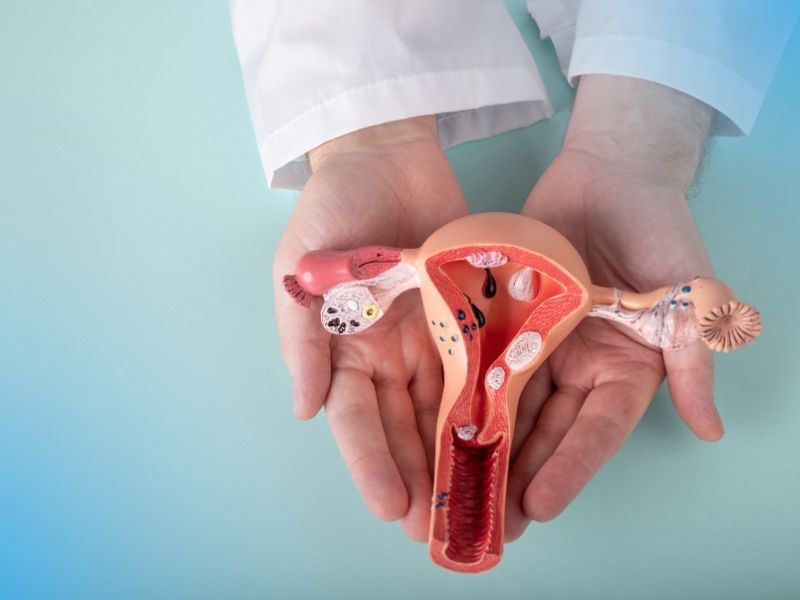
It is also called cold knife conization. It is similar to the LEEP procedure, but instead of using cautery as in LEEP, a cone-shaped portion of the cervix is removed with a scalpel. Bleeding areas are then cauterized, and again the bleeding is stopped by applying special solutions such as Monsel's solution.
Pregnancy After Conization
If a large amount of tissue is removed from the cervix or more than one conization is performed, cervical insufficiency may develop if the woman later becomes pregnant, and this can lead to preterm birth. In such cases, to prevent preterm birth and miscarriage during pregnancy, we can place a stitch in the cervix known as a cerclage.
How Much Does LEEP Cost in Istanbul?
How Much Does Conization Cost in Istanbul? Procedure prices vary depending on the type of anesthesia, the chosen hospital, and the doctor's experience. For detailed information, you can contact Prof. Dr. Çiğdem Yayla Abide.