

Blocked fallopian tubes, one of the most important causes of infertility in women, are a problem that can often progress unnoticed but can be successfully resolved with the treatment methods offered by modern medicine. This condition, which directly affects women's reproductive health, can be overcome with the right diagnosis and appropriate treatment.
For women with blocked fallopian tubes, getting a diagnosis and starting treatment at the right time can increase the chance of a natural pregnancy. That is why regular checkups with a doctor are so important. OB-GYNs specializing in this area, especially in Istanbul, are achieving significant success in diagnosing and treating blocked fallopian tubes with state-of-the-art methods. Every woman with blocked fallopian tubes has a different story; therefore, creating personalized treatment plans increases success in the treatment process.
What Are Blocked Fallopian Tubes?
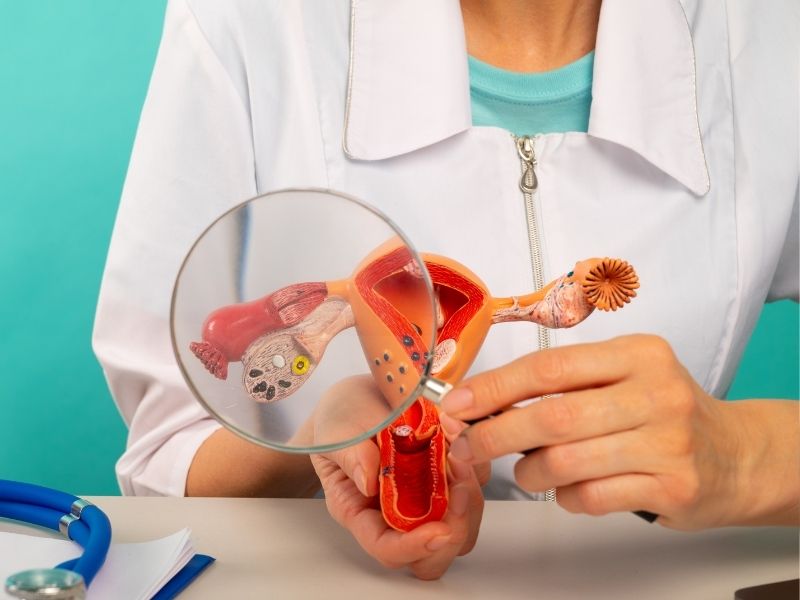
Tubal blockage is a condition in which one or both of the fallopian tubes, which are among the female reproductive organs, become blocked. This blockage can prevent the egg from meeting the sperm and prevent fertilization. Blocked fallopian tubes, which especially affect the ability to get pregnant, are one of the most common causes of infertility. Blocked fallopian tube treatment in Istanbul and other large cities is performed successfully with modern techniques.
What Causes Blocked Fallopian Tubes?
Many factors can cause blocked fallopian tubes. The most common causes include:
- Previous pelvic infections
- Endometriosis
- Previous pelvic surgeries
- Sexually transmitted diseases
- Adhesions in the uterus or tubes.
These conditions can lead to damage or blockage of the fallopian tubes.
Symptoms of Blocked Fallopian Tubes
Blocked fallopian tubes often do not cause obvious symptoms. However, some women may experience problems such as:
- Chronic pelvic pain,
- Irregular periods,
- Abnormal discharge,
- Fever, if the blockage is caused by infection or inflammation,
- Infertility (inability to get pregnant).
When symptoms go unnoticed, blocked fallopian tubes may only be discovered during a doctor's examination.
How Are Blocked Fallopian Tubes Diagnosed?
The following methods are generally used to diagnose blocked fallopian tubes:
- Hysterosalpingography (HSG): An X-ray method that allows the uterus and fallopian tubes to be visualized.
- Laparoscopy: A surgical procedure that allows the tubes to be viewed directly.
- Ultrasound and other imaging techniques
With these diagnostic methods, blocked fallopian tubes can be easily detected and appropriate treatment options can be determined.

What Problems Can Blocked Fallopian Tubes Cause?
If a woman's fallopian tubes are blocked, the egg and sperm are prevented from meeting, which can make getting pregnant difficult or impossible. The fallopian tubes are located between the ovaries and the uterus and carry the egg from the ovary to the uterus. If one or both tubes are blocked, the egg and sperm cannot reach each other, so fertilization does not take place.
In women with blocked fallopian tubes, the chance of natural pregnancy decreases considerably, and this is considered one of the causes of infertility. In addition, the risk of ectopic pregnancy may increase due to blocked fallopian tubes. This is because if the egg is fertilized in a blocked tube and begins to develop inside the tube instead of the uterus, this can result in an ectopic pregnancy. Ectopic pregnancy can lead to serious health problems and may require emergency intervention.
Blocked Fallopian Tube Treatment
Blocked fallopian tube treatment in Istanbul and other major centers can be performed with methods such as laparoscopic surgery and in vitro fertilization (IVF). The blockage in the tubes can be opened to increase the chance of natural pregnancy, or IVF treatment can be used to fertilize the egg in a laboratory setting. The treatment process may vary depending on the patient's general health and the severity of the blockage.
To open blocked tubes, selective hysterosalpingography or a laparoscopic tube-opening procedure can be performed. Blockages in the tubes can be cleared using a catheter or balloon. If there is a swelling of the tubes called hydrosalpinx, the tubes can be tied off where they join the uterus or removed completely. A detailed examination is needed first to determine which of these treatment methods is appropriate.
