

Many birth control methods have been used for centuries. These methods have evolved over time, drawing on many factors such as plants and the physical signs a woman notices in her own body. Thanks to modern methods of contraception, the chance of an unwanted pregnancy is lower, and these methods are used safely. These modern birth control methods can be listed as follows:
Birth Control Pills (Combined Oral Contraceptives)
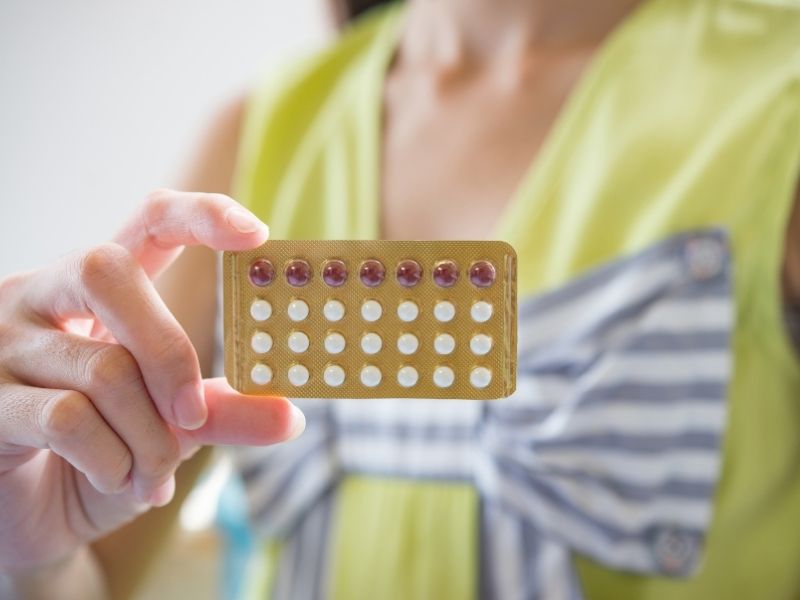
Oral contraceptives, that is, birth control pills, are birth control methods that involve taking pills containing hormones to prevent pregnancy. The synthetic female hormones in the pills change a woman's natural hormone levels and prevent the ovaries from releasing an egg each month.
Birth Control Injections (Contraceptive Shots, Injectable Contraceptives)
In Türkiye, only progesterone-based depot injections are used. Thanks to the hormone in birth control injections, they prevent the ovaries from releasing an egg and thicken the secretions of the cervix, preventing sperm from reaching the uterus. In this way, unwanted pregnancies are easily prevented.
Contraceptive Implants (Subdermal Rods)
Contraceptive implants, which are placed under the skin, are one of the most effective birth control options. They are as effective as birth control pills at preventing pregnancy but offer a convenient method of birth control that does not require taking a pill every day. The small, soft, flexible, hormone-containing rod placed under the skin prevents pregnancy by releasing a small, steady amount of hormone every day.
IUD (Intrauterine Device)
Also known as the coil, the IUD (intrauterine device) is a T-shaped device designed to fit inside the uterus. The IUD prevents sperm from fertilizing the egg during sexual intercourse. In addition, the IUD alters the structure of the inner lining of the uterus and, even if fertilization occurs, provides contraception by preventing the fertilized egg from implanting.
Contraceptive Ring (NuvaRing)
NuvaRing is a contraceptive method offered as an alternative to birth control pills. NuvaRing can be described as an easy-to-use, newly developed, reliable, thin, round, flexible, hormone-containing ring that protects against pregnancy.
For contraception, this ring is inserted into the vagina on the first day of your period and removed on day 21 of your cycle. It works like birth control pills taken by mouth (oral contraceptives), but it releases hormones more steadily and protects against pregnancy for 1 month.

Spermicides (Suppositories, Sperm-Killing Agents)
Strictly speaking, spermicides are not a stand-alone method of contraception. However, when placed in the vagina, they kill sperm and so prevent them from passing into the uterus and fallopian tubes. They come in forms such as suppositories, creams and gels.
They are applied about half an hour before intercourse, and their effect lasts about 2 hours. They are less reliable than other methods. When used for contraception, an additional method should also be used.
Diaphragm
The cervical cap, that is, the diaphragm, stands out as a barrier method of birth control. With typical use, it is a moderately effective method, with an annual failure rate of about 12%. It is placed over the cervix with spermicide before sex and removed at least six hours afterward.
Femidom (Female Condom)
Recently introduced to the market as a counterpart to the male condom, this product, known as the female condom, is called "Reality" in the US and "Femidom" in some countries, including Türkiye. The Femidom is a single-use sheath inserted into the vagina.
Depending on the brand and features of this condom-like product, it softens with body heat right after insertion and adheres to the vaginal wall. The inside of the condom is coated with a silicone-based lubricant, so it causes no problems during sexual intercourse. It should be thrown away after use, and a new female condom should be used for each act of intercourse.