

Ovarian cysts can occur in women of any age, but they are most often seen during the reproductive years. Having an ovarian cyst does not mean that you are infertile or that you have cancer. In most women, cysts form at certain points in the menstrual cycle and disappear by the next cycle. These are functional cysts, and they are harmless.
Ovarian Cyst Symptoms
Ovarian cysts are usually diagnosed during routine checkups. However, they sometimes cause clinical symptoms. Ovarian cyst symptoms can include the following:

- Changes in your menstrual pattern
- Painful periods
- Pelvic pain
- Urinary or bowel complaints
- Dyspareunia, or pain during intercourse
- Abdominal bloating
- Nausea and vomiting
- Infertility
- Increased body hair growth
- Weight gain
- Severe pain may occur if the cyst bursts (cyst rupture) or twists around itself (torsion).
How Can I Tell If My Ovarian Cyst Is Benign?
Of course, a definitive diagnosis of a cyst is only possible through pathology, but we do not surgically remove every cyst to obtain a pathological diagnosis. In deciding on surgery, we are guided by the patient's age, symptoms and whether she wants to have children, as well as the size of the cyst, its appearance on ultrasound and blood tumor markers such as CA-125.
What Are the Types of Ovarian Cysts?
The types of ovarian cysts can be listed as follows:
- Functional cysts, follicular cysts
- Endometrioma (chocolate cysts)
- Dermoid cyst (teratoma)
- Cystadenoma
- Cancer
Can Ovarian Cysts Turn Into Cancer? Do Ovarian Cysts Become Cancerous?
As mentioned above, most ovarian cysts (80–85%) are functional cysts, meaning they are benign. We recommend surgery for cysts that appear after menopause, grow rapidly, have an irregular structure on ultrasound with irregular white (solid) areas inside, are accompanied by free fluid in the abdominal cavity, increase in size over time and persist for at least 2 months, because these cysts may be malignant.
In addition to the examination and ultrasound, elevated tumor markers (such as CA-125) can also help us decide on surgery. During surgery, your cyst is evaluated by a pathologist using a method called frozen section, and a diagnosis is made. In the case of a malignant ovarian cyst, we can perform more extensive surgery, including removal of the lymph nodes, during the same operation.
What Type of Surgery Is Used for Ovarian Cysts?
The surgeon's experience is very important in the decision to operate. When deciding on surgery, it is important to predict or suspect whether the cyst is malignant. Whether minimally invasive or open surgery is used depends on the surgeon's experience. At our clinic, we prefer minimally invasive ovarian cyst surgery for every patient whenever possible.
Minimally invasive surgery, or laparoscopy, is important because it speeds up the patient's recovery, reduces pain, shortens the operation time, requires fewer stitches and gives a better cosmetic result after surgery. We mainly prefer to remove cysts with laparotomy (open surgery) when the cyst is very large.
What Happens If You Have Cysts on Your Ovaries?
When cysts are large and tend to spread, your body gives important signs. The most common symptoms of ovarian cysts are pain in the pelvic area and abdomen, pain during your period and during sexual intercourse, late periods, irregular periods and difficulty getting pregnant.
Which Ovarian Cysts Are Dangerous?
Your doctor can answer the question of which ovarian cysts are dangerous after a detailed workup. However, if an ovary contains a rare cyst with tumor tissue, immediate surgical removal is recommended regardless of its size or condition, because every cyst containing cancerous tissue is dangerous.
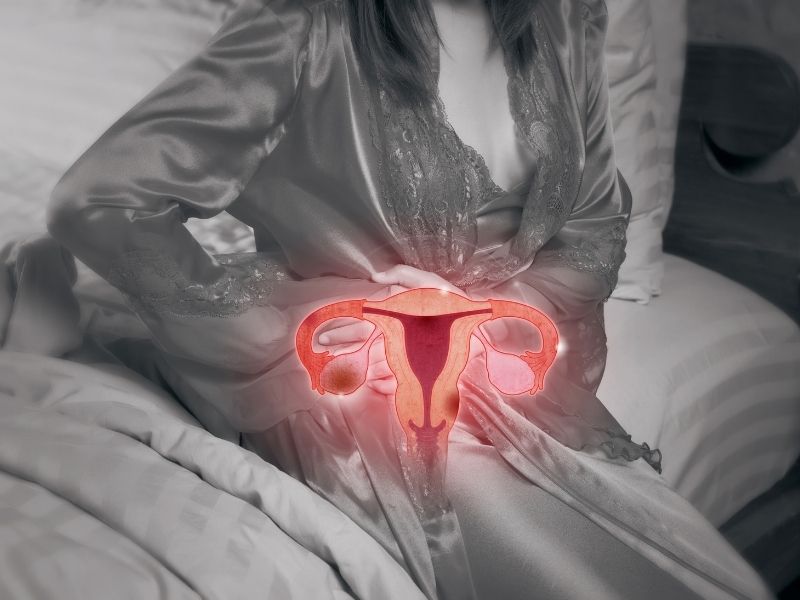
Benign cysts, on the other hand, carry no risk as long as they do not reach 8–10 cm in size, and they can be treated easily.
Ovarian Cyst Surgery Prices in Istanbul
Ovarian cyst surgery prices in Istanbul vary depending on the doctor you choose, the patient's condition and the surgical options to be used.
Ovarian Cyst Surgery Prices in Ataşehir
Ovarian cyst surgery prices in Ataşehir vary depending on the hospital chosen and the type of operation.