HPV is a type of virus known as the "human papillomavirus." HPV is a DNA virus specific to humans. HPV is the most common sexually transmitted infection in the world. There are about 200 types of HPV. These viruses are divided into two groups, high-risk and low-risk HPV, according to their potential to cause cancer. Depending on the HPV type contracted, it causes no problems or symptoms in some people, while in others it leads to genital warts. If left untreated for many years, it can turn into cancer. HPV affects the skin, the genital area, the mouth, and the throat. HPV is overwhelmingly transmitted sexually, and it can also be spread through genital contact. Although it is not possible in practice, it is said that in theory it can also be transmitted through items such as towels that have come into contact with the genital area.
A person infected with the virus may have no symptoms. Because it may not cause symptoms, an accurate result can only be obtained through testing. This infection, which is seen in many people, causes no problems in most of them. It regresses within an average of 2 years.
However, some types can cause certain problems. In later years, they can cause penile, vulvar, cervical, and vaginal cancers. They also cause genital warts. For this reason, an examination is essential.
How Is HPV Transmitted?
How is HPV transmitted? HPV is a sexually transmitted infection. Although it does not happen in practice, there are some publications in the literature stating that it can be transmitted through shared items such as towels. However, these publications do not provide conclusive evidence. Therefore, we can say that HPV is transmitted sexually. Lesions caused by HPV, such as warts, are spread through skin-to-skin contact. It is also possible to see lesions caused by HPV in the mouth. That is why practicing safer sex, avoiding multiple partners, and getting the HPV vaccine are so important.
Although it is a very common infection, many people do not know they have HPV. This is because some types cause no symptoms at all. Nevertheless, an examination and the necessary checkups are strongly recommended, because this virus can lead to cancer in later years.
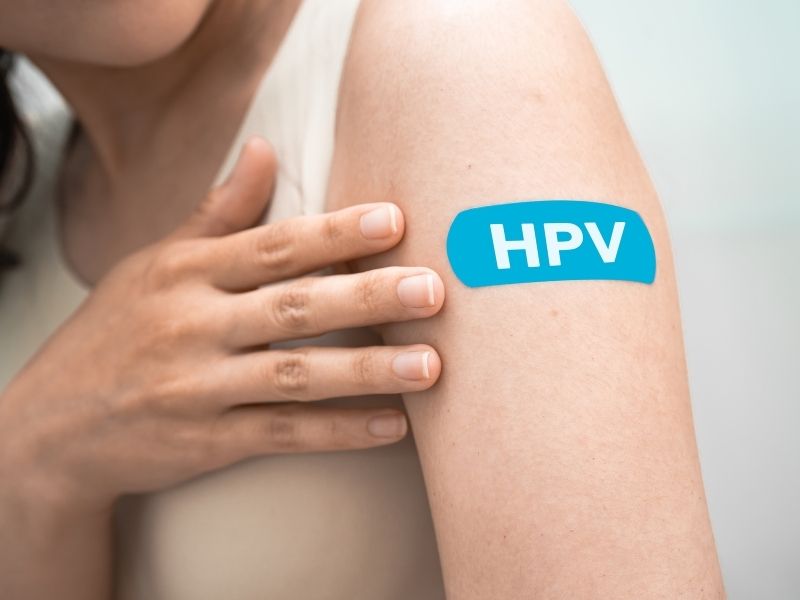
What Are the Symptoms of HPV?
What are the symptoms of HPV? It can progress without causing any symptoms. However, some types do produce symptoms. The most common of these is warts, which appear on average 2 to 6 months after infection. In both women and men, warts in the genital area are a sign of this infection and should always be checked by a doctor.
Of the many types of this infection, the lowest-risk types are HPV 6 and HPV 11. These types cause warts and can be cleared with treatment. Types that cause no symptoms, on the other hand, may be high-risk. For this reason, getting checked is recommended, because these types can become cancerous in later years.
How Is HPV Diagnosed?
How is HPV diagnosed? Warts in the genital area need to be checked, and certain tests need to be performed. The first of these tests is known as the Pap smear. During a gynecological exam, an instrument called a speculum is inserted into the vagina and a sample is taken with a brush. It does not cause any pain. It is a very quick procedure.
Another test is the HPV DNA test. A sample for the HPV test can be taken at the same time as the Pap smear, allowing detection of the viruses that can lead to cervical cancer. Colposcopy is defined as the examination of the vulva, vagina, and cervix with an illuminated magnifier.
What Are the Types of HPV?
What are the types of HPV? The most common, low-risk types are known to be HPV 6 and 11. There are many high-risk types, most notably HPV 16 and 18.
How Is the HPV Test Done?
In women, the HPV test is performed using the smear method. A swab is taken from the cervix to determine whether HPV is present. It is a very quick and painless method.
HPV Treatment
There is no effective treatment for HPV itself. However, the spread of the virus can be slowed. Warts in the genital area are removed, making the genital area healthier. Getting the vaccine is also strongly recommended. With regular checkups and by following medical advice, it can disappear on its own within a few years.
How Is HPV Treated?
How Are HPV 16 and HPV 18 Treated?
Does HPV leave the body? Can HPV be cured? What is the treatment for HPV? Is a definitive cure for HPV possible?
Once HPV enters the body, it can remain there for many years. Some viruses, however, may be cleared from the body on their own within 6 to 24 months.
There is no treatment for the HPV infection itself, but the lesions caused by HPV can be treated. The effectiveness of immune-boosting treatments for HPV has not been proven.
Let's identify and treat the lesions caused by HPV through screening programs so that we can intervene before cervical cancer develops.
HPV treatment in men is the same. There is no HPV test for men.
The answer to the question "Which doctor should I see for HPV? Which doctor should I see for genital warts?": For the prevention, follow-up, and treatment of genital HPV and warts, I recommend seeing an obstetrician-gynecologist (OB-GYN).
What Should You Do After an HPV Diagnosis?
I recommend that you not panic in this situation, which many people face. The cervix is examined using COLPOSCOPY, biopsies are taken from suspicious areas of the cervix, and depending on the pathology result, lesions that could lead to cancer are treated with methods such as LEEP, conization. Follow-up should continue afterward, however.
What Should Be Done and What Precautions Should Be Taken to Avoid Cervical Cancer?
Before answering this question, we need to know what causes cervical cancer.
Looking at studies, we can say that HPV viruses, that is, human papillomaviruses, are the cause of 90% of cervical cancers.
**This means that if we do not contract HPV, there is a 90% chance we will not get cervical cancer.
So we should use condoms during sex. We should take care to be monogamous. We should reduce our number of sexual partners. We should get the cervical cancer vaccine, and for a healthy body, we should lead a life with a balanced diet, no smoking, and plenty of exercise.
How Can I Tell If I Have Contracted an HPV Infection?
There is no HPV test for men; it is not performed. Perhaps if your male partner has genital warts, you might become suspicious and find out by having an HPV test taken from your cervix.
Or your HPV positivity may be detected during routine HPV screening.
As abnormal cells progress toward cancer, they can sometimes show up as bleeding.
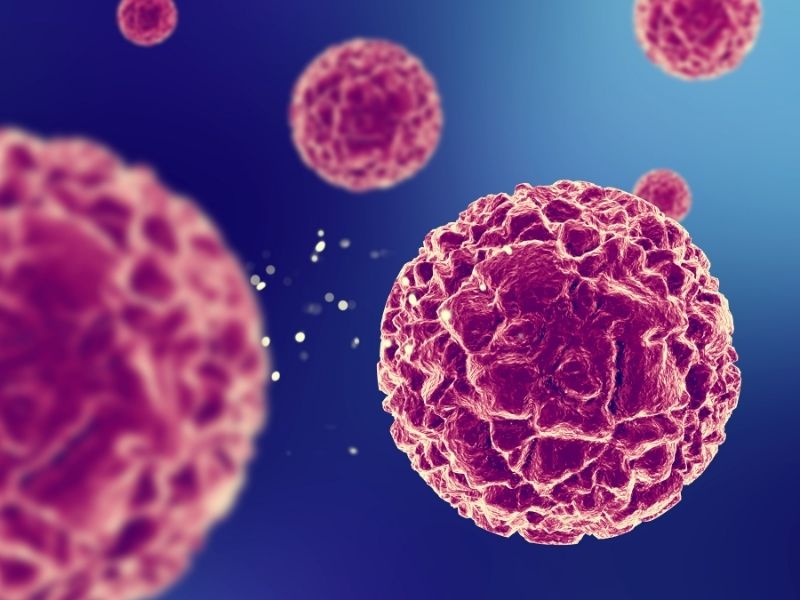
If We Eliminate HPV Viruses, Will We Get Cancer?
Considering that more than 200 types of HPV have been identified, the first questions that come to mind will be "Do all HPV viruses cause cancer? Should we eliminate them all?"
About 200 types of HPV have been identified. We can divide the HPV viruses that cause genital cancer (oncogenic HPV viruses) into 3 categories:
High-Risk Types: HPV 16, HPV 18, HPV 31, HPV 33, HPV 35, HPV 39, HPV 45, HPV 51, HPV 52, HPV 56, HPV 58, HPV 59, HPV 68, HPV 73, HPV 82
Intermediate-Risk Types: HPV 26, HPV 53, HPV 56, HPV 66, HPV 67, HPV 68, HPV 69, HPV 70, HPV 73, HPV 82
Low-Risk Types: HPV 6, HPV 11, HPV 40, HPV 42, HPV 43, HPV 44, HPV 54, HPV 55, HPV 61, HPV 62, HPV 64, HPV 70, HPV 71, HPV 72, HPV 81, HPV 84, HPV 87, HPV 88, HPV 90
Of these 200 types of HPV, two in particular are held responsible for 70% of cervical cancers: HPV 16 and 18.
In other words, we can say that if we eliminate high-risk HPV viruses, especially HPV 16 and HPV 18, we will avoid 70% of cancers.
Can Single Women Get HPV? Can HPV Be Transmitted from Toilets?
HPV is spread through contact. It is said that it could theoretically be transmitted if you have a wart on your hand and touch your genital area, or through a towel, but we believe this route of transmission does not occur in practice.
Is HPV testing done on single women? Is HPV testing done on women who have never had sexual intercourse?
We do not perform HPV testing on single women or women who have never had sexual intercourse.