
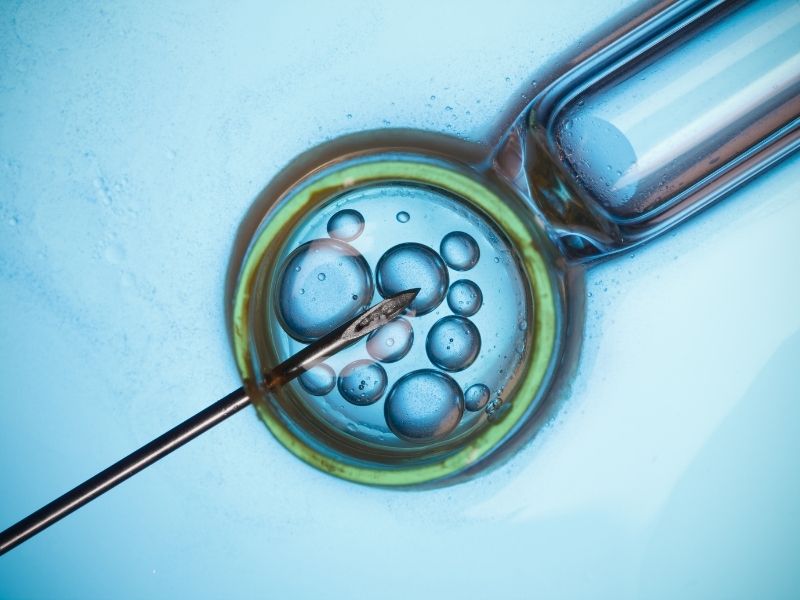
Fibroids are common benign tumors of the female reproductive system and, in some cases, can make pregnancy more difficult. For women undergoing IVF treatment in particular, the presence of fibroids can affect embryo implantation and the course of pregnancy. However, it should be remembered that fibroids do not always have a negative effect on IVF success.
What Are Fibroids and Why Do They Matter in IVF Treatment?
Fibroids are tumors that develop in the muscle tissue of the uterus and are usually benign. They can range in size from a few millimeters to several centimeters and can develop in different areas. While most fibroids cause no symptoms, some can lead to infertility and other problems such as pain, irregular menstrual bleeding, and an increased risk of miscarriage.
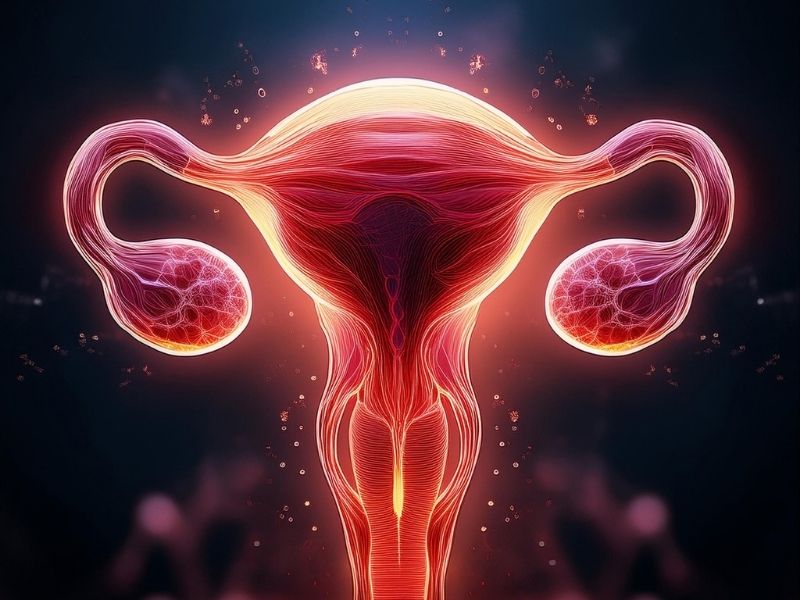
The location and size of fibroids in IVF treatment are very important. Submucosal fibroids, because they are located in the lining of the uterus, can make it harder for the embryo to implant. Intramural fibroids grow within the uterine wall and can distort the inside of the uterus and affect blood flow. Subserosal fibroids, on the other hand, are located on the outer part of the uterus and therefore usually do not directly affect pregnancy.
The effect of fibroids on IVF treatment varies from person to person. While small fibroids that cause no symptoms do not interfere with treatment, large fibroids that distort the inside of the uterus can reduce the chance of pregnancy. That is why it is very important to evaluate fibroids before starting IVF treatment.
How Do Fibroids Affect the Success of IVF Treatment?
Fibroids that change the inner structure of the uterus can make it harder for the embryo to implant properly. Fibroids that press on the lining of the uterus in particular can lower implantation rates after embryo transfer.
- The possible effects of fibroids on IVF success include:
- They can distort the lining of the uterus and prevent the embryo from implanting.
- They can press on the uterus and reduce blood flow, negatively affecting the embryo's development.
- They can increase uterine contractions, raising the risk of miscarriage.
If fibroids are not treated before IVF, they can lead to pregnancy complications.
Some studies show that the success rate of IVF treatment drops by 30–40%, particularly in women with large fibroids. However, small fibroids usually do not seriously affect the chance of pregnancy.
Do Fibroids Cause Infertility?
Fibroids do not always lead to infertility, but in some cases they can have a negative effect on fertility. Submucosal fibroids in particular grow within the lining of the uterus, so they can make it harder for the embryo to implant and reduce the chance of pregnancy. Large intramural fibroids in the uterine wall can distort the inside of the uterus and prevent a suitable environment from forming for the embryo to develop.
Fibroids can also press on the fallopian tubes, making it harder for sperm to reach the egg. Partial or complete blockage of the fallopian tubes can make natural fertilization more difficult and lower the chance of pregnancy. This requires a detailed evaluation before starting IVF treatment.
In addition, uterine contractions caused by fibroids can prevent the embryo from implanting in the uterus and increase the risk of miscarriage. Some fibroids can also cause hormonal imbalances, disrupting ovulation and leading to irregular menstrual cycles.
Treatment Options for Fibroids and Preparing for IVF
When choosing a treatment for fibroids, it should be carefully evaluated how much the fibroid changes the inner structure of the uterus and whether it prevents the embryo from implanting.
One treatment option, medication, uses hormone-based drugs to help shrink fibroids. However, this method usually does not make fibroids disappear completely, and its effects may not be permanent. Hysteroscopic myomectomy is a minimally invasive method used to remove submucosal fibroids that press on the lining of the uterus, and it can have a positive effect on fertility. Laparoscopic myomectomy is preferred for removing fibroids located in the uterine wall that make it harder for the embryo to implant. For patients with larger or multiple fibroids, open myomectomy may be performed.
Women who have had fibroid surgery are advised to wait at least 3–6 months for the uterine tissue to heal. This period allows the uterus to become ready for pregnancy and helps improve the success of IVF treatment.
Can Women with Fibroids Get Pregnant with IVF?
Many women with fibroids can have a successful pregnancy with IVF treatment. However, since the effects of fibroids on pregnancy vary from person to person, it is important to be checked by a doctor before starting the IVF process.
Things to keep in mind during the IVF process include:
- Being checked by a doctor to evaluate the effect of fibroids on pregnancy.
- Determining whether the inside of the uterus is suitable for embryo transfer.
- Supporting uterine health by paying attention to diet and lifestyle.
- Preparing the uterus for pregnancy with the necessary hormone treatments.
If fibroids are likely to have a negative effect on the success of IVF treatment, starting the process without treating them is not recommended. Proper management of fibroids is the key to a healthy pregnancy.