
With embryo transfer, embryos that have been grown in incubators for 2–6 days after egg retrieval are placed into the uterus through a thin catheter under sterile conditions, without the patient receiving anesthesia.

Do I Need Bed Rest After Embryo Transfer?

No. After the procedure, you rest for a short time and are then sent home right away. You can continue your daily activities. However, because the ovaries are enlarged and sensitive, it is recommended that you avoid strenuous exercise for a while, as it may cause discomfort.

What Symptoms Might I Have After Embryo Transfer?

  • You may have mild pelvic pain, mild cramping, light spotting, gas, breast tenderness, and constipation.

However, if your abdominal pain is severe, you should see your doctor; it is necessary to rule out the condition we call ovarian torsion, which occurs when the ovary twists around itself, as well as OHSS and uterine inflammation.
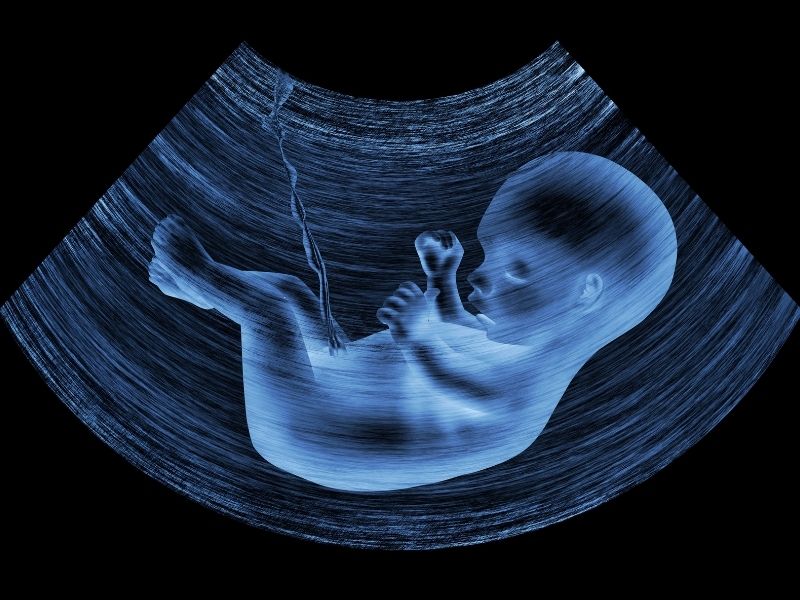
Blue-toned ultrasound image of a baby in the womb, covering possible symptoms after embryo transfer and how many embryos to transfer

How Many Embryos Should Be Placed in the Uterus in One IVF Attempt?

According to the regulations in our country, the woman's age and the number of embryos are the determining factors. At an older age, the likelihood of implantation (the embryo attaching to the uterus) is lower (unless egg donation is used; it is not legal in Türkiye).

In women under 35, 1 embryo can be transferred in the first two attempts and a maximum of 2 embryos in subsequent attempts, while in women over 35, 2 embryos can be transferred at the same time.

What Happens to the Remaining Embryos After Embryo Transfer?

For couples who wish, the embryos are frozen and stored so that they can be thawed and transferred again in the future at their request. This way, the egg retrieval (OPU) procedure will not need to be repeated.

What Is Done If a Multiple Pregnancy Occurs?

In the case of triplets or more, fetal reduction, that is, a procedure to stop the heartbeat of any babies beyond the 2nd while still in the womb, is recommended, because multiple pregnancies pose risks to the health of the mother and babies. However, this situation raises medical, ethical, and psychological issues.

Frequently Asked Questions

What is the chance of a frozen embryo implanting in the uterus?

The survival rate of frozen embryos after thawing is 90%. There have been advances in embryo freezing and thawing techniques for embryo transfer. Thanks to these advances, the chance of success has increased and high pregnancy rates are now being achieved.

How is the embryo transfer procedure performed?

The embryos are prepared for transfer by drawing them into a silicone catheter with a syringe attached to its end; the tip of the catheter is passed through the cervix, and the embryos are released into the uterine cavity.

When does implantation occur after embryo transfer?

Implantation after embryo transfer begins on the 2nd day after the transfer and continues until the 7th day.

How many minutes does embryo transfer take?

Embryo transfer is a procedure that takes about 10–15 minutes. It is a painless procedure, and the patient is not given anesthesia.

What is embryo transfer in IVF?

The procedure of placing the fertilized embryo into the uterus is called embryo transfer.

How many minutes after embryo transfer can you go to the bathroom?

After the embryo transfer procedure, it is sufficient for the patient to lie down for 45 minutes to 2 hours. You can go to the bathroom after 2 hours.

How many days after embryo transfer can you take a bath?

There is no harm in bathing on the day of the embryo transfer. After the transfer, it is important to pay attention to your diet.

Is sex off-limits before the transfer?

It is recommended not to have sexual intercourse once the intended mother has started her medications. This will also help improve the intended father's sperm quality.

How many embryos are transferred?

If the intended mother is under 35, 1 embryo is transferred in the first and second IVF attempts. In the third and subsequent attempts, 2 embryos are transferred. In women over 35, 2 embryos may be transferred.