

Open hysterectomy, known medically as Total Abdominal Hysterectomy (TAH), is the complete removal of the uterus through an incision made in the abdomen. Serious health problems affecting the uterus may make this surgery necessary. These problems usually stem from conditions such as fibroids, uterine cancer, abnormal bleeding and endometriosis. TAH becomes a recommended option especially when other treatments are not sufficient or when the patient's condition is serious. During the operation, the uterus is removed completely, and in some cases the ovaries may also be removed.
When Is an Open Hysterectomy Performed?
Open hysterectomy is a surgical method that is generally preferred for certain health problems, such as the following:
- Fibroids: These are benign tumors that form in the wall of the uterus. They can cause severe pain and irregular bleeding. If fibroids are very large or seriously distort the structure of the uterus, removing the uterus may become necessary.
- Uterine Cancer: The uterus may need to be removed to stop the spread of cancer cells and bring the disease under control.
- Endometriosis: Tissue that spreads outside the uterus can cause severe pain in the pelvic area and infertility problems. In some cases, this condition may require removal of the uterus.
- Abnormal Bleeding: Heavy and irregular bleeding that occurs after menopause or cannot be controlled with other treatments is one of the situations in which a TAH operation is necessary.
How Is an Open Hysterectomy Performed?
Open Hysterectomy is performed under general anesthesia, which means the patient is completely unconscious during the procedure. The doctor begins the operation by making an incision in the abdomen, usually a horizontal one. The horizontal incision is usually made in the lower abdomen, along the bikini line. However, depending on the size of the uterus or the requirements of the surgery, a vertical incision extending from the navel down to the pubic area may also be preferred.
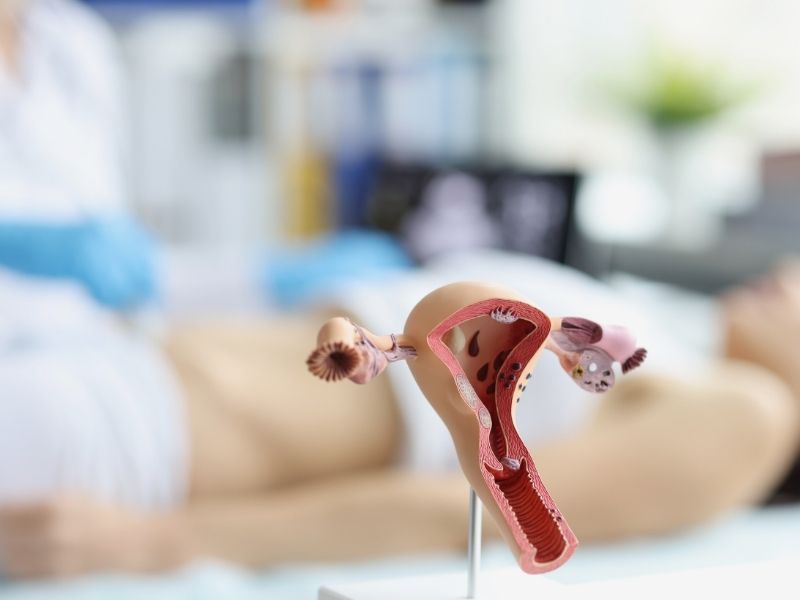
After the incision is made, the doctor carefully frees the uterus and removes it from the abdominal cavity. If necessary based on the patient's condition, the ovaries and fallopian tubes may be removed along with the uterus. Removing these organs may be preferred especially in patients at risk of cancer. However, when the ovaries are not removed, the patient's hormonal balance is preserved, which reduces the risk of early menopause.
After removing the uterus, the doctor checks for bleeding and carefully examines the tissues in the area. The incision is closed with sutures under sterile conditions. The subcutaneous and skin layers are usually stitched separately, which speeds up wound healing and minimizes scarring. The operation usually takes 1 to 2 hours, but this may vary depending on the patient's health and the extent of the surgery.
Recovery After an Open Hysterectomy
Recovery after Open Hysterectomy is generally complete within 6 to 8 weeks. There are some important points the patient should pay attention to during this period. First, limiting physical activity is important. Heavy lifting and strenuous physical activity should be avoided for the first few weeks after surgery. Instead, light walking and gentle exercise can improve blood circulation and speed up recovery.
Pain is common in the postoperative period. Paying attention to nutrition is also necessary to support healing. Eating fiber-rich foods and drinking plenty of water helps prevent digestive problems and supports overall health.
Attending regular follow-up visits with your doctor during recovery is critical for a healthy postoperative period. These checkups are important for detecting possible complications early and addressing them.
What Are the Risks of an Open Hysterectomy?
Like any surgical procedure, TAH carries some risks. The risks of an open hysterectomy include the following:
- Infection: After surgery, there is a risk of infection at the wound site or in the internal organs. Such cases can be controlled with appropriate antibiotic treatment.
- Bleeding: Excessive bleeding may occur during or after the operation. The doctor monitors this carefully during surgery.
- Anesthesia-Related Risks: General anesthesia can, although rarely, cause complications such as allergic reactions, breathing problems or heart rhythm disorders. Your doctor will take all necessary precautions to minimize these risks.
Open Hysterectomy Cost
The cost of an open hysterectomy may vary depending on the healthcare facility where the surgery is performed, the equipment used and the scope of the procedure. Prices can differ according to the details of the procedure and the services offered by the hospital. The best step to get clear cost information is to talk with your doctor or hospital staff before surgery.
