

Polycystic ovary syndrome (PCOS) is a common hormonal disorder that affects women of reproductive age. It causes small cysts to form in women's ovaries and also leads to hormonal imbalances. PCOS can affect not only reproductive health but also metabolism and psychological well-being.
Polycystic ovary syndrome (PCOS) can lead to many health problems, such as irregular menstrual cycles, weight gain, acne, hair loss and even fertility problems. In the long term, the risk of diabetes, heart disease and endometrial cancer may increase. That is why early diagnosis and an effective treatment plan are so important.
The symptoms of polycystic ovary syndrome can vary in severity from woman to woman. The most common symptoms are:
- Periods that become infrequent, stop completely or last unusually long.
- Fat buildup, especially around the waist.
- A noticeable increase in dark hair, especially on the face, chest and back.
- Oily skin and acne due to increased androgen levels.
- Male-pattern hair loss may occur at the forehead and crown.
These symptoms can have psychological as well as physical effects. Depression, anxiety and loss of self-confidence are also common.
Causes of Polycystic Ovary Syndrome
Polycystic ovary syndrome (PCOS) is a complex health problem that affects approximately 10% of women of reproductive age worldwide. Although the condition does not have a single cause, it is thought to result from a combination of many factors. Genetic, hormonal and environmental factors play an important role in the development of PCOS.
Research shows that PCOS may run in families. If there is a history of PCOS in a woman's mother, sister or other first-degree relatives, her risk of developing PCOS also increases significantly.
At the root of polycystic ovary syndrome are abnormal levels of various hormones in the body. Higher-than-normal levels of androgens, the male hormones, disrupt ovulation and lead to symptoms such as acne and excess hair growth. Increased levels of luteinizing hormone (LH) and decreased levels of follicle-stimulating hormone (FSH) can prevent eggs from developing in the ovaries. When the hormone insulin does not work properly in the body, weight gain increases and the ovaries produce more androgens.
Eating habits based heavily on high-sugar and processed foods can accelerate the development of insulin resistance. Insufficient physical activity raises the risk of obesity. Chronic stress can cause hormonal imbalances and inflammation. All of these aspects of an unhealthy lifestyle can be risk factors for polycystic ovary syndrome.
How Is Polycystic Ovary Syndrome Diagnosed?
Several evaluations are carried out for diagnosis. In the patient history and clinical evaluation, symptoms such as menstrual regularity, weight changes and excess hair growth are asked about. Ultrasound is used to examine in detail whether there are many small follicles (cysts) in the ovaries. Blood tests measure androgen levels, the LH/FSH ratio, and glucose and insulin levels.
According to the Rotterdam criteria, two of the following three criteria must be present for a diagnosis:
-
Irregular periods or ovulation problems
-
High androgen levels or clinical signs of them
-
Polycystic appearance of the ovaries
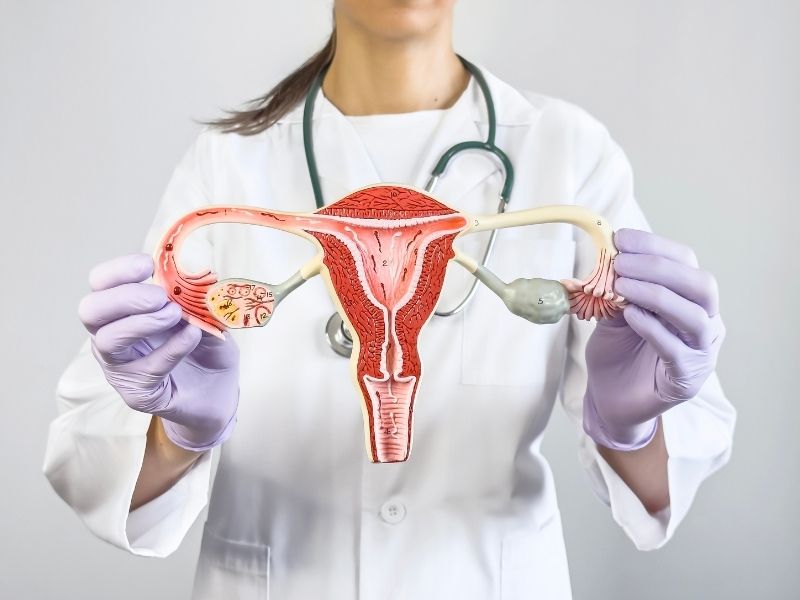
The First Step in Polycystic Ovary Syndrome Treatment: Lifestyle Changes
Lifestyle changes are the most fundamental and essential step of the treatment process.
Healthy Eating Habits
Avoid fast-acting carbohydrates such as refined sugar and white flour. Eat foods with a low glycemic index. Choose meals rich in protein and fiber. Eat foods rich in omega-3 fatty acids (such as fish).
Regular Exercise
Doing moderate-intensity exercise for 30 minutes a day, at least three days a week, greatly benefits overall health and hormonal balance. Aerobic exercise and resistance training increase insulin sensitivity. Once weight loss is achieved, menstrual regularity and the chance of ovulation improve. It is important to maintain a healthy weight appropriate to your body mass index.
Sleep and Stress Management
It is important to keep regular sleep hours and practice stress-reducing methods such as meditation and yoga.
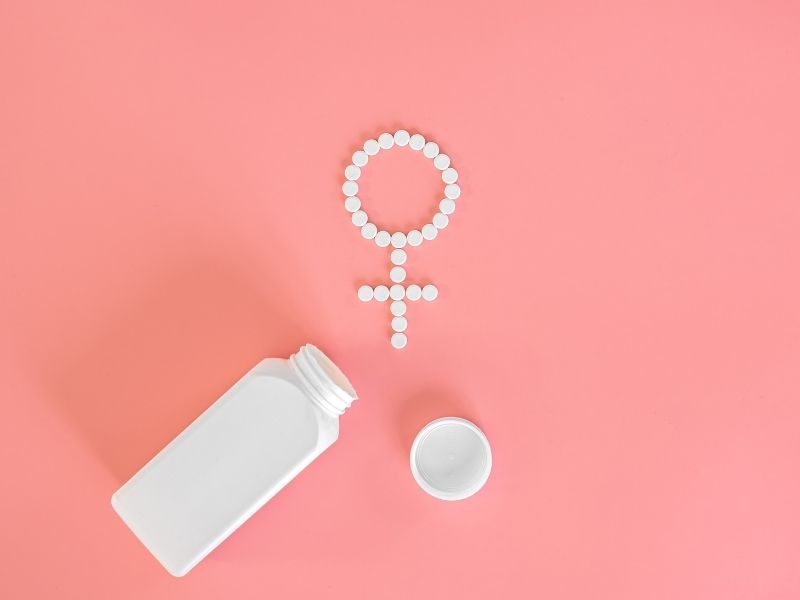
Managing PCOS with Medication
In some cases, lifestyle changes alone may not be enough, and medical treatment may be needed. This is where medication comes in.
- Birth Control Pills: Regulate the menstrual cycle. Suppress androgen production. Reduce acne and excess hair growth.
- Ovulation-Inducing Medications: Used to support ovulation in patients who want to get pregnant. Agents such as clomiphene citrate or letrozole are preferred.
Advanced Treatment Options: Surgical Procedures
Surgical methods are considered when other treatments have not worked.
Laparoscopic Ovarian Drilling: Small holes are made in the ovarian tissue to reduce androgen production. It increases the chance of ovulation. Surgery should always be considered a last resort and should be performed by an expert team.
Polycystic Ovary Syndrome and Pregnancy: Challenges and Solutions
For women with PCOS, getting pregnant can sometimes be a challenging process. However, with the right treatment and follow-up, the chances of pregnancy are quite high.
Ovulation Treatments: Medications such as clomiphene citrate or letrozole are preferred as the first step. Ovulation is closely monitored.
Assisted Reproductive Techniques (IVF): If there is no response to medication, in vitro fertilization (IVF) treatment comes into play. The success rate is quite high.
The Relationship Between Polycystic Ovary Syndrome and Insulin Resistance
Insulin resistance is very common in patients with PCOS. Insulin resistance leads to weight gain, fat storage and metabolic syndrome. With early intervention, long-term complications such as diabetes and heart disease can be prevented.
After Polycystic Ovary Syndrome Treatment
Achieving success in the treatment of Polycystic Ovary Syndrome (PCOS) is only the beginning of the process. In the post-treatment period, maintaining healthy lifestyle habits is very important to prevent symptoms from returning and to reduce long-term health risks.
The healthy eating habits gained during treatment should not be abandoned. Because insulin resistance lies at the root of PCOS, a diet that keeps blood sugar balanced should be continued. Exercise is essential not only for weight control but also for hormonal balance and improving insulin sensitivity.
Because PCOS is a chronic condition, regular checkups with an obstetrician-gynecologist (OB-GYN) and an endocrinologist should be continued.
