

"Recurrent IVF failure" is the term used when pregnancy has not been achieved after at least 3 IVF cycles, or despite the transfer of 10 or more embryos. However, considering today's advanced technology, we now speak of recurrent failure when pregnancy has not been achieved despite the transfer of 5 or more cleavage-stage embryos (day 2 or day 3) or 3 or more blastocyst-stage embryos.
Why Does IVF Fail?
The causes can be grouped as those related to the embryo, the woman, and the man:
Embryo Quality
- Problems in the embryo's genetic makeup
(The woman's age is one of the most important factors. A woman's age affects egg quality and, consequently, the quality of the embryo formed from the fertilized egg. Sperm quality is also important.) Achieving good embryo quality is only possible with a good laboratory and a good embryologist.
- An inadequate culture environment in which the embryo develops
- A thick outer shell (zona pellucida) around the embryo

Causes Related to the Woman
- Uterine Abnormalities:
- Uterine septum,
- Endometrial polyps,
- Uterine fibroids,
- Uterine adhesions (caused by previous procedures or past infections), which reduce IVF success by interfering with the attachment of the embryo.
- Fallopian tube abnormalities:
- Fluid buildup in the tubes, known as hydrosalpinx (it increases the rates of miscarriage and ectopic pregnancy and also reduces IVF success)
- Endometriosis can also cause recurrent miscarriages.
What Should Be Done About Fluid in the Tubes Before Treatment?
The fluid-filled tubes should be surgically removed, or the part of the tube leading to the uterus should be blocked (the blockage can also be done hysteroscopically).
- In addition to these, immunological tests or tests related to blood clotting are recommended. Some genetic factors are thought to play a role, but no proven genetic sequence has been identified. The ERA test is not used because it is not generally accepted.
- Treatment-related causes: unsuitable medication protocols used during egg development
Causes Related to the Man
- No additional test beyond a routine semen analysis has been proven to be beneficial (such as the sperm DNA fragmentation test or sperm chromosome testing)
What Should Be Done in Recurrent IVF Failure?
Some treatments whose effectiveness has not yet been proven are available on the market. However, since their effectiveness has not been proven, it may be better not to use them. So what are they?
- Treatments targeting the uterine lining: such as endometrial scratching, immune-boosting treatments, steroid use, the "pregnancy vaccine," blood-thinning treatments, and washing the uterine cavity with G-CSF
- Various medications to stimulate the ovaries: androgens (DHEA-S; these can also cause acne and oily skin), steroids, vitamins, acupuncture, inositol-containing medications, omega-3 supplements…
- Apart from growth hormone, none of these have been shown to be effective.
- Frozen embryo transfer: Instead of transferring fresh embryos, the embryos are frozen, the uterus is given a period of rest, and the embryos are later thawed and transferred. Some studies suggest that this increases the chance of IVF success.
- Endometrial scratching: This method, which was previously believed to be effective, is no longer considered effective.
- PGS/PGT (preimplantation genetic testing): There is no consensus that selecting an embryo thought to be free of abnormalities and transferring it into the uterus is effective.
- Whether assisted hatching (making a small opening or nick in the embryo's outer shell) works is still debated.
- Adding other substances to the culture media (such as G-CSF): its effectiveness is unclear.
- Adding certain substances called embryo glue (hyaluronic acid…) during embryo transfer: its benefit has not been proven.
- Mitochondrial scoring: Mitochondrial scoring is performed on the trophoblast cells from the sample taken for PGT. Its effectiveness is unclear.
- Since the benefits of all these treatment methods have not been proven, and assuming they provide no benefit, what really needs to be done is to apply an "individualized treatment approach."
- I recommend first re-evaluating the couple and investigating the underlying cause; if no cause is found, we shape the new treatment based on the previous one and start a new IVF treatment.
What Can Be Done to Improve IVF Success?
Egg quality declines with age, and this decline becomes noticeable after age 35. You could say that "time plays no favorites." We cannot prevent this, but it is possible to have some positive effect on egg quality through lifestyle changes. So what should we do?
- We should not smoke, and we should stay away from places where people smoke.
- We should maintain a healthy weight, because being fit can reduce oxidative stress and have a positive effect on our body and our ovaries.
- We should eat a healthy, balanced diet, especially avoiding processed foods and not consuming too many carbohydrates.
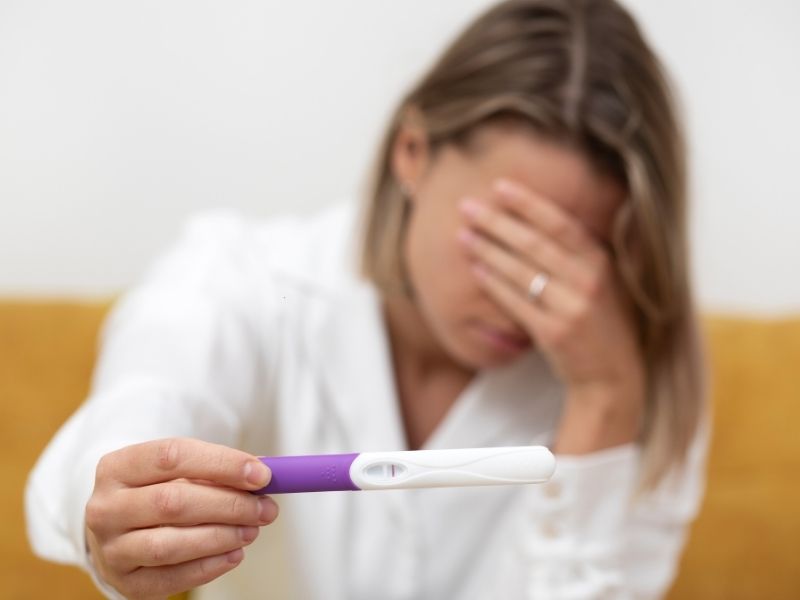
- The hardest part: We should try to reduce the stress in our lives; stress is an important factor. When a treatment started with great hope ends in a negative result, it takes a financial and emotional toll on couples. Considering the psychological pressure from those around them as well, couples may need psychological support.
