At the start of the ROSI technique in IVF, round spermatids, which cannot fertilize an egg on their own, are activated with special laboratory methods. The activated sperm cells are combined with the egg to create an embryo. In the ROSI technique, chemical methods or an electric current are used to activate the sperm.

This activation takes place during the process of combining with the egg, and the egg is fertilized.
Sperm production is a complex and lengthy process. Spermatogonia, the sperm stem cells, start out with 46 chromosomes, and spermatocytes form spermatids through meiosis. Round spermatids are round cells that do not have a tail in their initial form. These cells are notable for having the same number of chromosomes as sperm. They then begin to grow a tail, at which point they are called elongated spermatids, and they develop into mature sperm cells. Without any intervention, round spermatids and elongated spermatids cannot fertilize an egg.
Who Is a Candidate for the ROSI Technique?
The ROSI technique is a method used for prospective fathers who have spermatids but no mature sperm in their semen. Before ROSI treatment, the prospective father's hormone levels, testicular ultrasound and genetic tests are evaluated. In some cases, hormone or medication treatment may be given before treatment begins.
How Is ROSI Treatment Done?
For ROSI treatment, the couple first has urological and gynecological examinations. If there is nothing that rules out treatment, treatment with the ROSI technique begins. As in standard IVF treatment, treatment with the ROSI technique starts on day 2 of the menstrual period, when the woman begins taking medications to stimulate egg production.
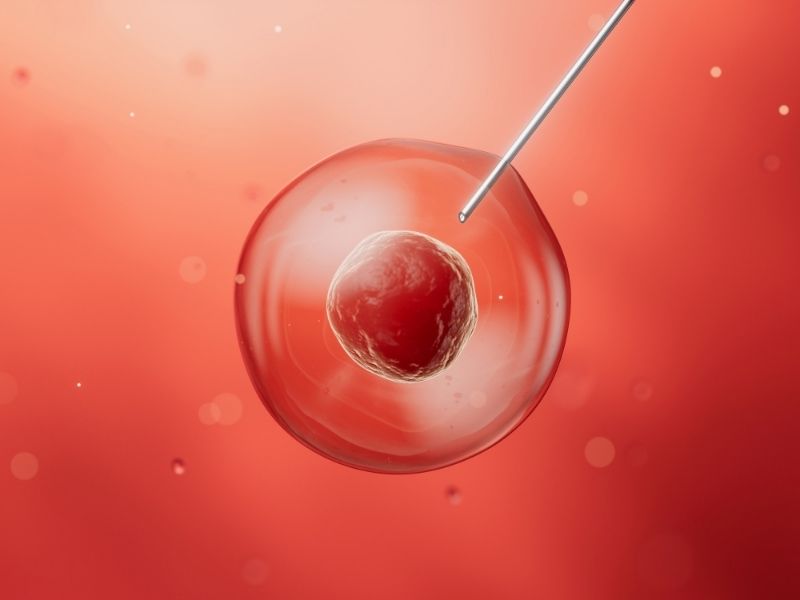
On the day of egg retrieval, the man undergoes micro-TESE. The sperm cells collected are then examined in the laboratory. If experienced embryologists identify mature sperm during this examination, those sperm are used. If there is no mature sperm, round and elongated spermatids are collected. Some of the collected spermatids may be frozen. The oocytes (eggs) retrieved from the woman are activated with the piezoelectric method. Using ICSI (intracytoplasmic sperm injection), the round spermatids are placed inside the egg, and fertilization takes place over 24 hours. Embryo development is monitored for 3–5 days, and the best-quality embryo is transferred to the mother-to-be's uterus.