

Routine OB-GYN exams play a vital role in the early diagnosis and prevention of gynecological conditions. Routine gynecological exams should begin from the first menstrual period onward.
A routine gynecological exam should be done once a year, even if a woman has no complaints. Having a routine gynecological exam once a year after becoming sexually active, or between the ages of 18 and 65, is very important for the early diagnosis and treatment of many gynecological conditions. Many conditions, such as ovarian cysts, sexually transmitted diseases, fibroids, and early-stage cancers, can be detected through routine checkups.
Apart from your routine checkups, you should see your doctor without delay if you suspect pregnancy or have abnormal vaginal bleeding, burning during urination, foul-smelling or discolored vaginal discharge, an infection, or pain in the pelvic area.
What Are Gynecological Conditions?
Women's diseases, also known as gynecological conditions, involve the female reproductive system, including the ovaries, vagina, cervix, and fallopian tubes. In gynecology, problems such as menstrual issues, sexual health concerns, infertility, menopause, and birth control are diagnosed and treated. In some cases, gynecological conditions go unnoticed and can only be detected through routine exams. Gynecology and obstetrics specialist Prof. Dr. Çiğdem Yayla Abide provides examination, diagnosis, and treatment services in the field of gynecology.
The Most Common Gynecological Conditions
The most common gynecological conditions include menstrual problems such as painful periods or missed periods, polycystic ovary syndrome, vaginal discharge problems, and endometriosis, also known as chocolate cyst. When symptoms of these conditions appear, you should always be examined by a specialist gynecologist.
Groin and pelvic pain in women can have many causes, and it can also stem from a problem with the reproductive organs. Pelvic pain may be caused by an ovarian cyst or an ectopic pregnancy. The most common gynecological conditions can be listed as follows.
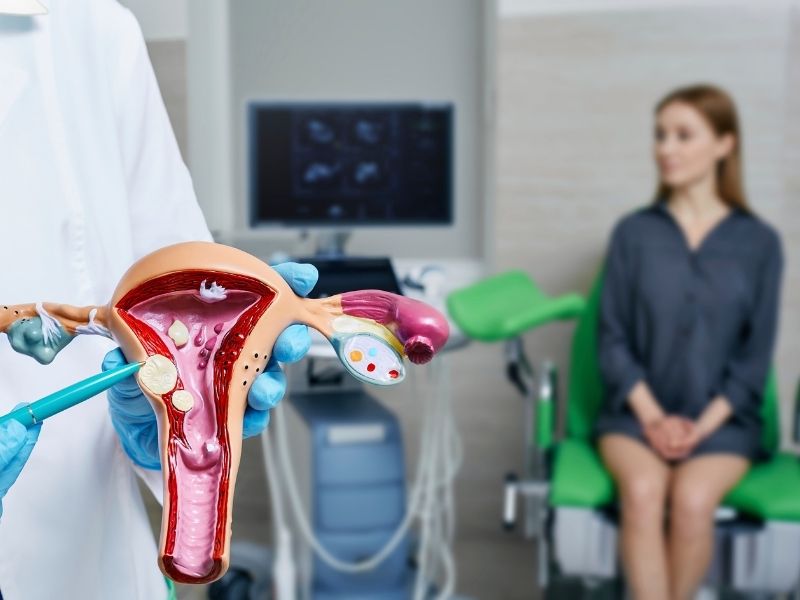
- Irregular periods
- Ovarian cysts
- Fibroids
- Endometriosis
- Polycystic ovary syndrome (PCOS)
- HPV
- Polyps
- Gynecologic cancers
- Vaginal yeast infection
- Vaginal discharge
- Ectopic pregnancy
- Menopause
- Vaginismus
- Sexual dysfunction
- PMS (premenstrual syndrome)
Treatment Options for Gynecological Conditions
Treatment options for gynecological conditions vary depending on the condition. They include medication, alternative methods, and surgical procedures. The appropriate treatment is determined by the specialist based on the patient's needs and the status of the condition. Laparoscopic surgery in particular is a suitable option for treating many gynecological conditions. Laparoscopic surgery, also known as minimally invasive surgery, is used to treat conditions such as endometriomas, fibroids (myomectomy), ovarian cysts, ectopic pregnancy, removal of the fallopian tubes, and uterine cancer. When there are a large number of fibroids, open surgery is performed more often. For HPV, the HPV vaccine is recommended first at a young age, and later on, a Pap smear is taken once a year from people who are sexually active on a regular basis. Abnormalities of the cervix detected with a Pap smear are diagnosed early and treated before they turn into cancer.
What Is an OB-GYN Exam?
An OB-GYN exam, or gynecological exam, is a type of examination performed to evaluate a woman's gynecological health. This exam can detect ovarian cysts, sexually transmitted diseases, and signs of early-stage cancer. A gynecological exam is an important step that every woman should have routinely. For problems such as vaginal discharge, vaginal bleeding, and vaginal yeast infections, an OB-GYN exam is also important for making a diagnosis.
Even women who are sexually active, and even those who have children, may fear feeling pain during a vaginal exam. However, to understand that this fear is unnecessary, it is enough to know the structure of the vagina and the size and materials of the instruments used during the exam. The instrument commonly used during a gynecological exam, called a speculum, is much thinner than a penis. In addition, a generous amount of gel is applied to instruments such as the vaginal ultrasound probe or the speculum before they are inserted into the vagina. This makes the instrument slippery so it enters the vagina easily. Only the slight opening of the speculum, done to create enough space in the vagina, will cause some feeling of pressure, and this pressure is not strong enough to cause pain. Another instrument used is the Pap smear brush used for the Pap test. The brush-like tip of this stick is extremely soft and contains no irritating materials.
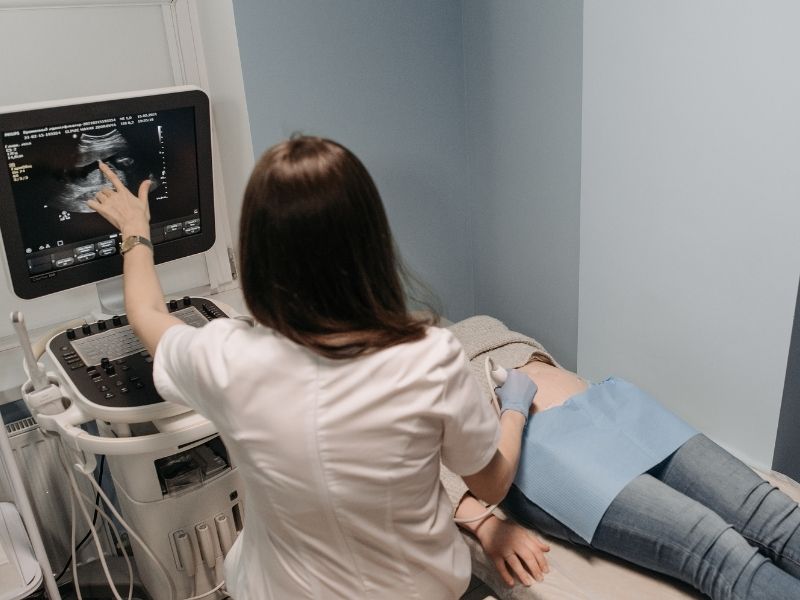
How Is an OB-GYN Exam Performed?
During an OB-GYN exam, after listening to your concerns and discussing your medical history with you, the doctor will ask you to move to a different room or a different part of the room for the gynecological exam.
During a gynecological exam, the following parts of the body are examined:
- Vulva (external genital organs)
- Uterus (womb)
- Cervix
- Ovaries
- Bladder
Routine Screening Tests Every Woman Should Have
The OB-GYN exam is an examination that all women should have from a young age, and it plays a very important role in the early diagnosis of certain conditions. Starting from your first sexual intercourse or from age 21, we recommend having a Pap smear (Pap test) taken from your cervix every year or at intervals of no more than 3 years, and adding an HPV (Human Papillomavirus) screening test to it after age 25.
We recommend that you do a breast self-exam every time you shower, and after age 40, have a mammogram and breast ultrasound at regular intervals. After age 50, we recommend having a fecal occult blood test and a colonoscopy at certain intervals for the early diagnosis and prevention of colon cancer.
What Is Gynecology?
Gynecology is a branch of medicine that focuses on women's reproductive health and on diagnosis and treatment in this area. Gynecologists provide care to protect women's sexual health and to diagnose and treat gynecological conditions. It is the department women turn to for information about their concerns and for their annual routine exams. A gynecological exam can be frightening for many women, but it is very important for your reproductive health and for resolving problems with organs such as the vagina and uterus.
What to Keep in Mind Before a Routine Gynecological Exam
Since a Pap smear may be done during the OB-GYN exam, unless your doctor advises otherwise, it is best to schedule your exam for the time after your period has ended. For about 2 days before the OB-GYN exam, you should completely stop using tampons, having sexual intercourse, and using any fluid, foam, or gel inserted into the vagina, as well as any medicated cream or cleansing liquid.
For people who have never had sexual intercourse, the doctor will choose the appropriate exam method. Except in certain situations, a vaginal exam is not performed in these patients; a rectal exam may be done, or the evaluation may be completed with an abdominal ultrasound.
