

In vitro fertilization (IVF) treatment is a method used by couples who want to have a child. Many couples have difficulty conceiving naturally and turn to IVF treatment. With IVF treatment, couples' dreams of having a child can come true.
What Is IVF?
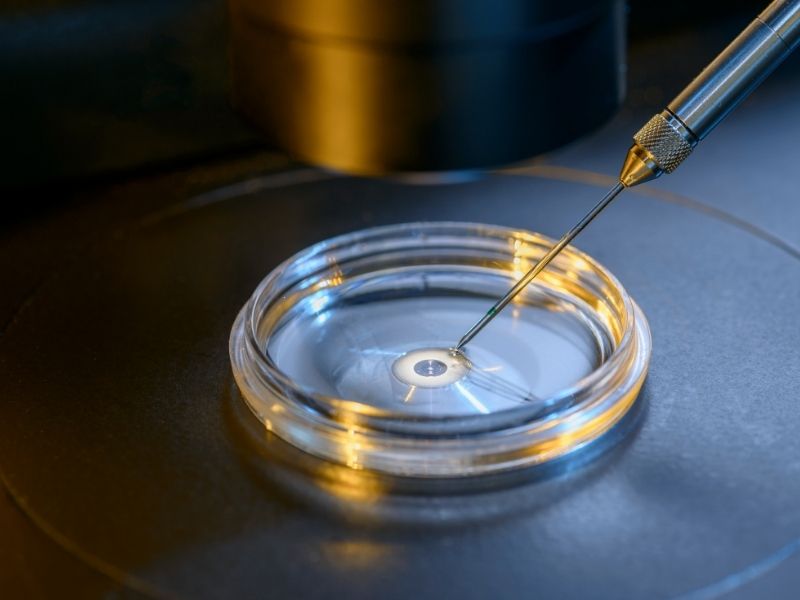
IVF, medically known as in vitro fertilization (IVF), is a technology that allows couples to have children. With this method, eggs retrieved from a woman's ovaries are fertilized with sperm cells under laboratory conditions, and the resulting embryos are then placed inside the uterus, making it possible to have a child .
What Are the Requirements for IVF?
The requirements for IVF may differ for each couple. Before IVF treatment, a specialist's opinion should be obtained first. To identify the reproductive problem, both the woman and the man should be examined, a diagnosis made and the appropriate treatment method determined.
If there is a chance of getting pregnant naturally with other treatment methods, this is evaluated. IVF is used as a last resort.
- The woman or man has been diagnosed with infertility,
- The woman's fallopian tubes are blocked or damaged,
- The man has poor sperm quality or a low sperm count,
- Evaluation of the woman's ovarian reserve,
- Having a healthy uterine structure can be listed as requirements for IVF.
How Does the IVF Process Work?
The IVF process can generally be defined as combining eggs taken from the woman with sperm taken from the man. This process can be long and challenging. A positive psychological approach by the couple will also help the IVF treatment feel more understandable and manageable for them.
How Many Days Does IVF Treatment Take?
IVF treatment varies depending on the couple's situation and the treatment plan. IVF treatment takes 16–17 days on average, and after it is completed, you need to wait 10 days before taking a pregnancy test.
When Is IVF Preferred?
IVF treatment is a method chosen by people who have tried but failed to get pregnant naturally. Women under 35 need to have regular unprotected intercourse for at least one year. With advancing technology, the success rate of IVF treatment continues to increase.
- If there is unexplained infertility,
- If the woman's tubes are blocked,
- If no sperm is found in the man's semen,
- If there are conditions inside the uterus that prevent pregnancy,
- If there is a hormonal disorder,
- If the woman is over 35 and unable to get pregnant naturally, IVF treatment is preferred.
Who Needs IVF?
IVF treatment is a treatment method needed by couples who have reproductive health problems and want to have a child. IVF treatment can proceed differently for everyone. In some cases, infertility in the man or woman may be a reason they are suitable candidates for IVF treatment. Polycystic ovary syndrome (PCOS), seen in women, can also lead to hormonal imbalances. IVF treatment can increase the chances of having a child.
Women with endometriosis and women with ovulation problems, as well as men with low sperm quality and men with abnormally shaped sperm, are also suitable candidates for IVF treatment.
Nutrition Before IVF
Nutrition is one of the most important things to pay attention to before IVF treatment. The body needs to be prepared for the IVF process with a regular, healthy diet. Foods high in vitamins and rich in antioxidants should be eaten. Healthy nutrition can increase the chances of IVF success.
IVF specialists generally recommend a Mediterranean-style diet. A diet based mainly on fresh vegetables, fruit, whole-grain foods, legumes, fish and olive oil can help improve egg and sperm quality. Increasing protein intake and keeping sugar and carbohydrate intake under control are recommended. Caffeine and alcohol should definitely be stopped. Drinking at least 2 to 2.5 liters of water a day is important.
Your diet should be rich in vitamins and minerals, especially folic acid, as well as zinc, iron, vitamin D and omega-3. If your doctor considers it necessary, you may need to take a multivitamin and mineral supplement.
Healthy eating habits can improve egg quality, the rate of embryo implantation in the uterus and the chances of pregnancy.
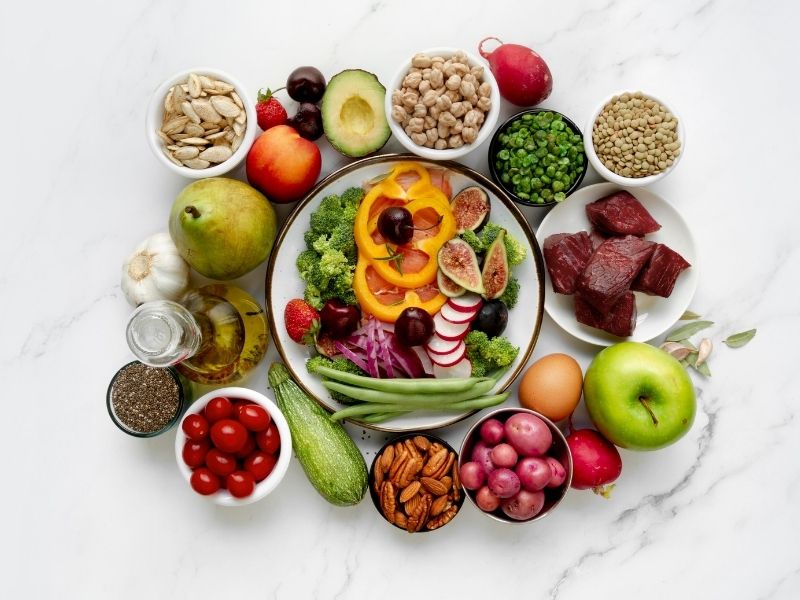
In particular, numerous studies show that the chances of pregnancy are higher in women who follow a Mediterranean diet.
Healthy nutrition also contributes positively to treatment by reducing factors that make it harder to get pregnant, such as being overweight or obesity. Reaching an ideal weight before treatment is one of the most important factors that increase success.
Vitamin Supplements Before IVF
Vitamin supplements have generally played an important role in recent years, but is it really necessary to take vitamin supplements during the IVF process? Vitamin supplements are multivitamins that have positive effects on ovarian and sperm health in both women and men. However, some studies suggest that taking these vitamins is not beneficial. In this case, the most important thing is to follow your doctor's recommendation. Vitamins taken without proper guidance can have harmful effects on the body. Vitamin supplements before IVF should be taken under a doctor's supervision and in the appropriate dose.
OB-GYNs may recommend vitamin and mineral supplements such as folic acid, vitamin D, omega-3, zinc, coenzyme Q10, vitamin E, selenium and vitamin C before IVF treatment.