

In vitro fertilization (IVF) treatment is an effective method that helps many couples make their dream of having a child come true. However, there are many important points that both the prospective mother and the prospective father need to pay attention to before starting treatment. This preparation process not only increases the success rate of treatment; it also helps the process move forward in a healthier, less stressful and more informed way.
What to Keep in Mind Before IVF
The IVF process requires couples to be patient and to follow the process carefully. That is why what you need to keep in mind before IVF directly affects the success of treatment. Preparing for the process both physically and emotionally lays the foundation for a healthy pregnancy. Adjusting your lifestyle, paying attention to nutrition and having health checkups before treatment all affect the success of the process.
First of all, it is necessary to avoid smoking, alcohol and excessive caffeine. These habits have a negative effect on both egg and sperm quality. At the same time, being within an ideal weight range, exercising regularly and getting enough sleep are also important factors to consider in the period before IVF. Folic acid supplementation is recommended for prospective mothers, and vitamin supplements that improve sperm quality are recommended for prospective fathers.
Psychological preparation should not be overlooked during this process either. IVF is a treatment that can sometimes cause stress and anxiety. Couples supporting each other, seeking professional counseling when needed and maintaining a positive outlook increase the chances of success. What you need to keep in mind before IVF is not limited to medical tests; adopting healthy lifestyle habits and maintaining emotional balance are just as important as the tests.
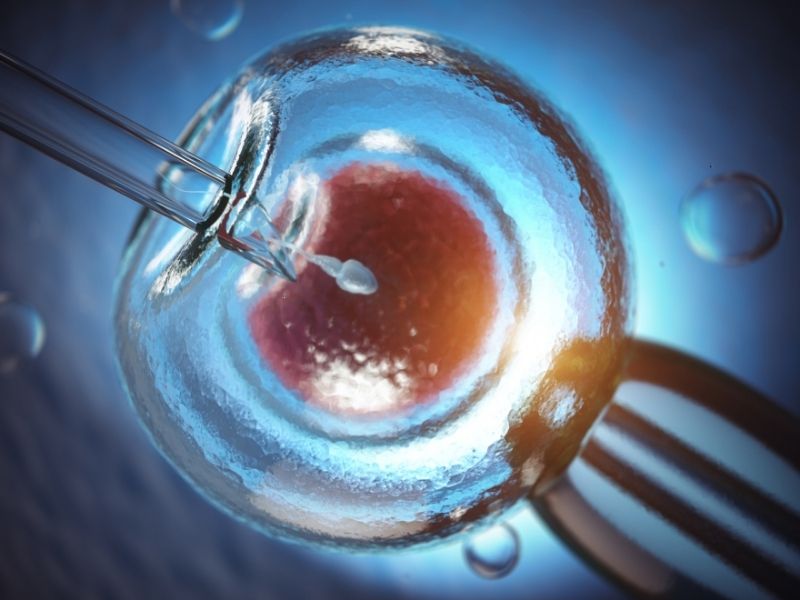
Tests Required Before IVF
Before moving on to IVF treatment, various medical tests are performed to determine the couple's general health. The tests required before IVF reveal the ovarian reserve, hormonal balance, uterine structure and possible infection risks in the prospective mother, while sperm quality and hormonal status are evaluated in the prospective father.
Thanks to these tests, the treatment plan is personalized and the success rate is increased. The most common tests for women include hormone tests such as FSH, LH, AMH, estradiol, prolactin and TSH. In addition, the structure of the reproductive organs is examined with ultrasound and a uterine X-ray (HSG).
Infection screening (HIV, hepatitis B and C, syphilis, rubella, toxoplasma, CMV) is also always performed. When necessary, genetic tests such as karyotype analysis are also requested. For men, the most fundamental test is semen analysis, in which sperm count, motility and morphology are examined in detail.
General health screenings are also very important before IVF. The couple's readiness for pregnancy is assessed with a complete blood count, fasting blood sugar, and kidney and liver function tests. Thanks to the tests required before IVF, the current health status of both the prospective mother and father becomes clear, possible risks are identified in advance, and the most suitable treatment method is chosen for a healthy pregnancy.
Nutrition Before IVF
Before starting IVF, one of the most important factors that increase the chances of treatment success is a healthy, balanced diet. Nutrition before IVF directly affects the prospective mother's egg quality and the prospective father's sperm health. Developing the right eating habits during this period both makes the treatment process easier and creates a favorable foundation for pregnancy.
Prospective mothers and fathers should especially adopt a diet rich in vitamins and minerals. Folic acid, iron, zinc, omega-3 fatty acids and vitamin D are the nutrients most needed in the period before IVF. Vegetables, fruit, nuts, whole grains, fish, olive oil and high-quality protein sources should be part of the daily diet. On the other hand, avoiding processed foods, foods high in sugar and trans fats is critical for treatment success.
Limiting caffeine, smoking and alcohol should also be part of the pre-IVF nutrition plan. Drinking enough water every day, keeping blood sugar stable with regular meals and following a Mediterranean-style diet both support reproductive health and strengthen the body during treatment. This way, couples get a healthier start to IVF treatment and their chances of pregnancy increase.
Vitamin Supplements Before IVF
For prospective mothers, the most important supplement is folic acid, and it is recommended to start taking it at least three months before pregnancy. One of the most emphasized topics when preparing for IVF treatment is vitamin supplementation before IVF. Having adequate levels of the vitamins and minerals the body needs is extremely important for a healthy pregnancy.
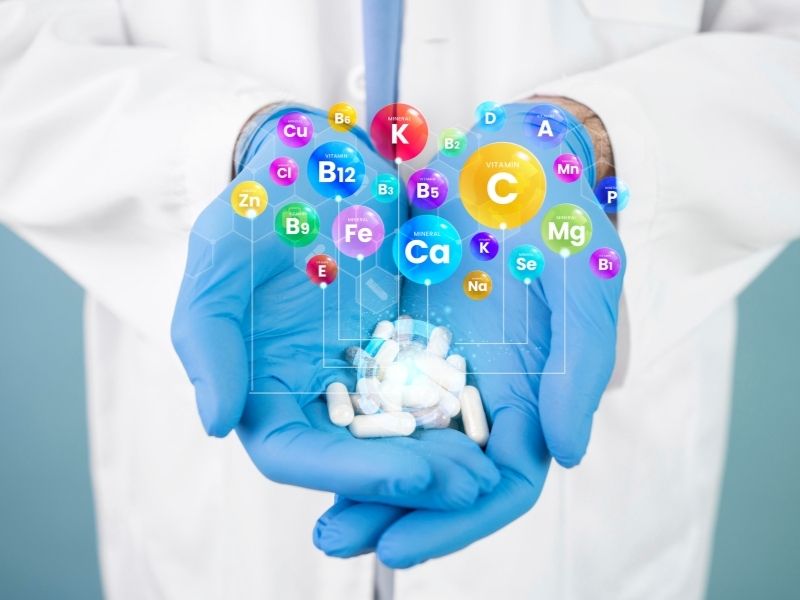
For men, vitamin C, vitamin E, coenzyme Q10 and zinc supplements are recommended to improve sperm quality.
The right vitamin supplements taken during this period can improve both egg and sperm quality and raise the chances of treatment success.
Folic acid plays an important role in the development of the baby's nervous system and lowers the risk of neural tube defects. In addition, vitamin D, B12, iron, zinc and omega-3 fatty acids are among the supplements frequently used in the period before IVF.
However, vitamin supplements should always be used according to individual needs and on a doctor's recommendation. Unnecessary or high-dose vitamins can do more harm than good. For this reason, the best approach to vitamin supplementation before IVF is to identify deficiencies with laboratory tests and take supplements as recommended by a specialist physician. Regular, well-informed supplement use gives the prospective mother an advantage for a healthy pregnancy.
Sex Before an IVF Embryo Transfer
The period before an IVF transfer is a very sensitive time for couples. One of the most frequently asked questions at this stage is whether sex is allowed before the transfer, that is, before IVF egg retrieval. In general, doctors state that sex is not harmful before embryo transfer, but that they may place restrictions on it in certain special cases. For this reason, the best approach is for each couple to follow their own doctor's recommendations.
There is research suggesting that sex before the transfer may have some positive effects. It is said to have a positive effect on sperm health in men and, in women, to increase blood flow to the lining of the uterus (endometrium), which may make it easier for the embryo to implant. However, it is important not to overdo it, to pay attention to hygiene and, in particular, not to have sex in the period right after the egg retrieval procedure. Because of possible tenderness in the uterus and ovaries, medical supervision should come first during this process.
In conclusion, sex before an IVF transfer is not completely forbidden; however, every couple's medical situation is different. Following the physician's advice in the period before the transfer helps the process continue smoothly. Couples should not push themselves during this time and should focus on the process in a relaxed and controlled way. This makes for a more positive treatment period, both physically and psychologically.
IVF treatment is a method with a high chance of success when the right preparation and informed steps are taken. Every detail, from nutrition to vitamin supplements and from medical tests to lifestyle changes, matters for this process to progress in a healthy way. Quitting smoking and alcohol, learning to manage stress and keeping up with regular doctor visits before treatment increase the chances of success. In large cities, going through this process with experienced specialists is an added advantage. For couples looking for an IVF center in Istanbul, we are here for you at our clinic in Ataşehir.
