

What Is Ovarian Reserve?
At birth, a woman has about 4 million eggs in her ovaries. (We can say her egg reserve is 4 million.) By puberty, the number of eggs drops to 400,000, and an average of 1,000 eggs is lost with each menstrual cycle. At age 30, the number of eggs is around 100,000. By the mid-40s, this number drops even further, and the chance of getting pregnant decreases with advancing age.
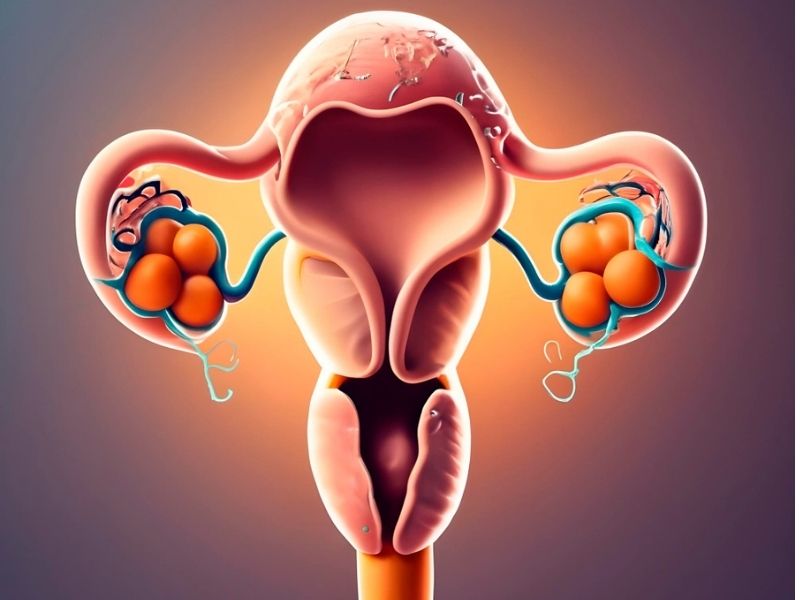
Ovarian reserve refers to the number and quality of the eggs in a woman's ovaries, which determine her potential to become pregnant. The best tests for showing egg count and quality are AMH, FSH, and an egg count on ultrasound.
AMH, or anti-Müllerian hormone, is a hormone secreted by the small sacs (follicles) in the ovaries. As the number of follicles—that is, eggs—decreases, AMH secretion decreases as well.
What Is AMH (Anti-Müllerian Hormone)?
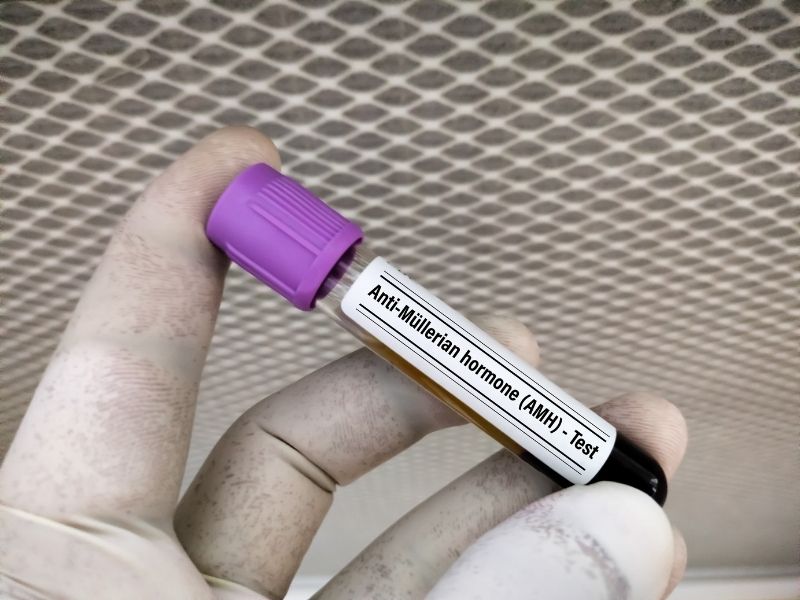
AMH (Anti-Müllerian Hormone) is a blood test used to determine ovarian function and ovarian reserve in women. It is a hormone released by the small follicle cells of the ovaries.
AMH levels provide information about a woman's ovarian reserve. High AMH levels are generally associated with a large ovarian reserve and high fertility potential, while low AMH levels are associated with a smaller ovarian reserve and reduced fertility potential.
The AMH test is a simple hormone blood test, and it is usually used for fertility assessment and for determining egg reserve before IVF treatment. AMH should not be used to predict menopause. AMH levels alone do not definitively determine whether a woman can get pregnant; they only give an idea of her ovarian reserve.
Besides AMH levels, other factors can also affect fertility, which is why a fertility evaluation usually involves a combination of different tests.
In IVF treatments, AMH reflects ovarian reserve and ovarian quality; in other words, AMH is an indicator of IVF success.
What Are the Ovarian Reserve Tests?
The AMH test is a simple blood test and one of the most important ovarian reserve tests. The other ovarian reserve tests are FSH, measured in the blood on day 2 or 3 of the period, and the egg count seen on ultrasound. AMH is mainly checked before IVF treatment and is an indicator of IVF success.
How Is a Low Egg Count Detected?
One of the questions women ask most often is, "What shows the number of eggs?" The parameters used to assess ovarian reserve are as follows:
-
AMH Test: Low AMH indicates low ovarian reserve.
-
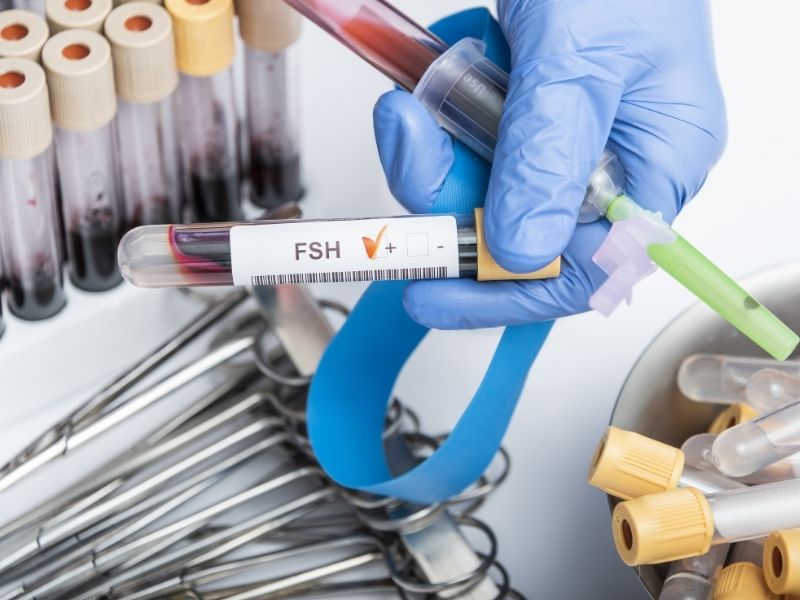
FSH and Estradiol Test: FSH (follicle-stimulating hormone) is a hormone secreted by the pituitary gland in the brain, and it stimulates the growth of the eggs. A blood FSH test is done to assess ovarian reserve. FSH and estradiol levels are checked on day 2 or 3 of the period, when FSH is at its lowest. With normal ovarian reserve, both FSH and estradiol are expected to be low. High FSH levels should raise suspicion of low ovarian reserve.
-
Egg count on ultrasound on day 2 or 3 of the period: For a diagnosis of low ovarian reserve, the total number of follicles measuring 2–9 mm in both ovaries must be below 7.
Why Is the FSH Test Done?
The FSH (Follicle-Stimulating Hormone) test is a blood test used to assess a woman's fertility status. The main uses of FSH testing are as follows:
Fertility Assessment: FSH levels are used to evaluate a woman's ovarian reserve. High FSH levels may indicate diminished ovarian reserve or impaired ovarian function.
Diagnosing Menopause: FSH levels can be used to confirm that a woman has entered menopause or to determine her menopausal status. FSH levels are usually high in menopausal women.
Diagnosing Ovarian Disorders: FSH levels can help diagnose ovarian disorders, especially conditions such as polycystic ovary syndrome.
Infertility Evaluation: FSH levels can be used to identify the causes of infertility. High FSH levels may be one of the factors contributing to infertility.
The FSH test is an important tool for determining a woman's fertility potential. However, evaluating it on its own is usually not enough, and it is recommended to use it together with other tests. When performed under a doctor's supervision and interpreted correctly, these tests can help assess a woman's fertility status.
What Is Low Ovarian Reserve?
Low ovarian reserve (diminished ovarian reserve) is seen in 10%–30% of couples who see a doctor because of infertility. Ovarian reserve is defined as the number and quality of eggs, which determine a woman's fertility potential and decline with age. Low ovarian reserve is an egg reserve that is below normal for a woman's age and fertility potential. Low ovarian reserve is usually associated with declining ovarian function and is generally part of natural aging, but it can sometimes appear at a young age.
AMH (Anti-Müllerian Hormone) is a blood test used to determine a woman's ovarian reserve. AMH, a hormone released by the small follicle cells of the ovaries, provides information about a woman's ovarian reserve. Low AMH levels are generally associated with low ovarian reserve and may indicate reduced fertility potential. This can occur naturally with the aging process, but it can also sometimes be linked to factors such as hormonal imbalances or ovarian disorders.
What Is a Normal AMH Level?
AMH (Anti-Müllerian Hormone) levels in women can vary depending on age and individual factors. In general, however, they range between 1.5 and 4 ng/ml in women of reproductive age. Although AMH alone is not sufficient to diagnose low ovarian reserve, an AMH <1.3 ng/ml is considered low ovarian reserve. An AMH <0.5 ng/ml is a very low value. If the AMH level is very low, early menopause may be suspected.
If low AMH is detected before age 35 and the woman is single, she should be offered the option of egg freezing. If the woman is married, she should be offered the option of IVF.
If AMH is 4 ng/ml or higher, polycystic ovary syndrome is suspected, and if the woman wants a child but cannot get pregnant, assisted reproductive technologies should be used.
Why Is AMH High in Polycystic Ovary Syndrome?
Polycystic ovary syndrome (PCOS) is a condition in which follicle development in the ovaries is irregular and the hormonal balance is disrupted. Women with polycystic ovary syndrome usually have a large number of follicles in their ovaries. In this case, anti-Müllerian hormone (AMH) levels are usually high.
AMH is a hormone released by the ovaries and helps determine ovarian reserve. In women with polycystic ovary syndrome, the ovaries may produce more follicles than normal, which can lead to higher AMH levels. However, the high AMH level of women with PCOS does not mean their ovarian reserve is increased. In fact, it may be a sign of abnormal ovarian function, and polycystic ovary syndrome can often cause fertility problems.
The high AMH levels of women with PCOS are important for understanding their effects on ovarian function and fertility, but they are not a diagnostic tool on their own. PCOS is usually diagnosed together with other clinical signs and hormone tests. In all cases, treatment for women with polycystic ovary syndrome aims to manage symptoms, address fertility problems, and keep other health issues under control. For this reason, we create an individual treatment plan for our patients with polycystic ovary syndrome.
What Lowers Ovarian Reserve?
After age 35, the quantity and quality of eggs decrease; after age 37, this decline speeds up, and the AMH test, which reflects ovarian reserve, drops significantly. In some patients, however, ovarian reserve declines rapidly and early, regardless of age. Menopause before age 40 is called "early menopause" or "premature ovarian insufficiency," and early menopause occurs in 1% of women. In this case, the cause of early menopause needs to be investigated.
Causes of low AMH include:
- Aging: The natural aging process can cause a woman's ovarian reserve to decrease and, as a result, her AMH levels to fall.
- Genetic Factors: Some women may genetically have a lower ovarian reserve, which can lead to low AMH levels. Conditions such as Turner syndrome can also cause low AMH.
- Ovarian Disorders or Surgery: Surgical procedures on the ovaries or ovarian disorders (ovarian cysts, such as endometriosis, endometrioma, or chocolate cysts) can cause AMH levels to fall.
- Chemotherapy or Radiation Therapy: Chemotherapy or radiation therapy given as cancer treatment can affect the ovaries and lead to a decrease in AMH levels.
- Autoimmune Diseases: Some autoimmune diseases can affect the ovaries and cause AMH levels to fall.
- Smoking: Smoking can reduce ovarian reserve and cause AMH levels to fall.
- Stress: Stress speeds up the decline in AMH.
- Alcohol Consumption: Alcohol can cause low AMH.
- Excess weight, obesity, and poor eating habits such as fast food: Fast food, packaged foods, a diet rich in saturated fatty acids, and excessive caffeine intake speed up the decline of egg reserve (the decline in AMH).
A combination of these factors, or other factors, can also contribute to low AMH. Every case can be different, and it is important to consult a doctor for an accurate diagnosis.
What Is Premature Ovarian Insufficiency?
The cause of early menopause is not fully known. It may also have a genetic cause. Preventing early menopause is often not possible, but the effect of some factors can be reduced, and menopause may be delayed. Here are some measures to prevent early menopause or delay early menopause:
- Maintaining a Healthy Lifestyle: Healthy lifestyle habits such as eating a balanced diet, exercising regularly, not smoking, and limiting alcohol can naturally delay the age of menopause.
- Getting Enough Calcium and Vitamin D: Calcium and vitamin D are important for maintaining bone health and reducing the risk of osteoporosis. For this reason, you should make sure you get enough calcium and vitamin D.
- Checking Hormone Levels: Imbalances in thyroid and other hormones can increase the risk of early menopause. For this reason, it is important to have your hormone levels checked regularly and to get treatment if needed.
- Assessing Ovarian Reserve: Tests such as AMH (Anti-Müllerian Hormone) can be done to assess fertility potential. These tests can help identify low ovarian reserve or the risk of early menopause.
- Considering Treatment Options: Hormonal treatments such as birth control pills can be used to delay menopause. However, you should consult a doctor about the long-term effects and risks of these treatments.
- Reducing Risk Factors: It is important to make an effort to reduce risk factors for early menopause, such as poor nutrition, obesity, stress, and exposure to environmental toxins.
To prevent or delay early menopause, measures such as lifestyle changes and regular checkups with your doctor can be taken. However, in many cases it may not be possible to prevent early menopause, and in that case the most appropriate treatment and support should be provided.
What Are the Symptoms of Low Ovarian Reserve?
Most of the time, women with low ovarian reserve have no symptoms. Although diminished ovarian reserve is generally not associated with obvious symptoms, some possible signs include:
- Irregular Menstrual Cycles: A decline in ovarian reserve can cause irregular or frequent menstrual cycles.
- Infertility: Diminished ovarian reserve can lower the chance of pregnancy and cause infertility.
- Symptoms of Early Menopause: Diminished ovarian reserve may be associated with symptoms of early menopause. These symptoms may include hot flashes, night sweats, decreased sex drive, and vaginal dryness.
- Hormonal Changes: A decline in ovarian reserve can cause hormonal changes and, as a result, changes in mood, energy levels, or skin and hair.
- Ovulation Disorders: Diminished ovarian reserve may be associated with irregular or anovulatory (no ovulation) menstrual cycles.
These symptoms are not always related to diminished ovarian reserve and may be signs of other health problems. For this reason, it is important to consult an experienced doctor to evaluate your symptoms and have the appropriate tests done if necessary.
Treatment for Low Ovarian Reserve
There is not yet a treatment for declining egg reserve, but treatment recommendations may vary depending on the underlying causes and the person's lifestyle. Eating healthily, avoiding stress, and staying away from harmful habits such as smoking and alcohol may slow the decline in ovarian reserve. When AMH is low, the treatment plan is usually determined by a reproductive endocrinologist or fertility specialist and tailored to the person's individual situation.
However, in the treatment of low egg reserve, the following methods are commonly used:
- Medications to Increase Egg Reserve: Hormone-containing medications can be used to increase egg reserve. These medications usually help increase ovarian reserve by boosting follicle development (in fact, it is not the reserve that increases, but the number of eggs already present in the ovaries that develop). For patients who want a child and have low ovarian reserve, we recommend IVF or egg freezing; the goal is to increase the number of developing eggs and retrieve the maximum number of eggs.
- Monitoring Ovarian Reserve: Your doctor may order regular blood tests (such as AMH, FSH, and estradiol) and imaging tests such as ultrasound to monitor your egg reserve. This is important for tracking how effective the treatment is.
- Evaluating Ovarian Reserve: Women with low egg reserve are usually referred to reproductive endocrinologists or fertility specialists for a more detailed evaluation. This evaluation may include various tests to determine ovarian function and reserve in greater detail.
- Assisted Reproductive Techniques: Women with low egg reserve may need assisted reproductive techniques such as IVF. In these techniques, medications and procedures may be used to stimulate the ovaries to produce more eggs or to use eggs from an outside source.
- Fertility Counseling and Support: Emotional and psychological support is important for women with low egg reserve. Fertility counseling or support groups can help reduce the stress experienced during this process and support emotional well-being. This support is also important during IVF for low ovarian reserve.
The treatment plan will vary depending on the person's specific situation and goals. For this reason, it is important to work with a reproductive specialist to determine the right treatment.
PRP Treatment for Women with Low Ovarian Reserve
PRP (platelet-rich plasma) treatment, used in women with low egg reserve whose eggs have aged prematurely, is an experimental treatment that aims to improve ovarian function or to awaken and revitalize dormant cells. We now frequently use the PRP method for ovarian rejuvenation in Türkiye as well. PRP is a type of plasma obtained from the person's own blood that is rich in platelets.
PRP treatment for ovarian rejuvenation usually involves the following steps:
- Blood Draw: A blood sample is taken from the patient's arm.
- Preparing the PRP: The blood is separated by centrifugation, and the platelets are concentrated to obtain PRP.
- Injection: The resulting PRP is injected into the ovaries. These injections can be done under ultrasound guidance or during surgical procedures such as laparoscopy.
The goals of PRP treatment may include:
- Healing and revitalizing ovarian tissue,
- Improving ovarian function,
- Improving follicle development and egg quality.
However, in women with low egg reserve, PRP treatment is not yet a widely used or scientifically proven treatment method. For this reason, more research is needed on the effectiveness, safety, and long-term results of PRP treatment.
As with any treatment option, PRP treatment for low AMH should be done under a doctor's supervision and on their recommendation. Women with low egg reserve should talk with fertility specialists or reproductive endocrinologists to determine the most suitable treatment options.
What Is Exosome Therapy for Women with Low Ovarian Reserve?
Ovarian exosome therapy is an experimental treatment being studied to improve reproductive health or support ovarian function in women with low egg reserve. In ovarian exosome therapy, exosomes—tiny cellular vesicles secreted by cells—are used. Exosomes contribute to various biological processes by transferring genetic material, proteins, and other molecules between cells. Ovarian exosome therapy is given by injection into the ovaries. However, more research is needed on the effectiveness and safety of exosome therapy for infertility, and because it is currently at an experimental stage, it should not be used without consulting a reproductive endocrinology specialist.
What Is Ovarian Rejuvenation? How Successful Is Ovarian Rejuvenation?
The ovaries have their highest number of eggs at around the 20th week of fetal life in the womb. The number of eggs declines until birth, continues to decline after birth, and is depleted after menopause. The decline in egg count speeds up especially around age 37. The rate at which ovarian reserve is depleted differs from woman to woman and is affected by many factors.
Many studies have reported that stem cell treatments slow ovarian aging (the decline in ovarian reserve) and rejuvenate the ovaries (increasing the number and quality of eggs).
Stem cells are the precursors of the body's mature cells and, with the right stimulus, can turn into different cell types. In women, stem cells are also found in the ovaries. PRP, obtained from the person's own blood, contains platelet-rich growth factors, and when injected into the ovaries, it may activate stem cells and encourage them to develop into egg cells. In this way, it may increase egg production and thereby fertility potential. The goal of ovarian rejuvenation treatments is to activate stem cells.
Treatments such as PRP, exosomes, and antioxidants can be used for ovarian rejuvenation. PRP (platelet-rich plasma) stimulates stem cells to promote tissue renewal and rejuvenation. The use of PRP in infertility treatment is promising, and it aims to reactivate dormant ovaries and restore their development. The use of ovarian PRP in infertility may increase the chance of pregnancy. In infertility, PRP is used for ovarian rejuvenation and for improving problems of the uterine lining. Many studies have reported that platelet-rich blood (PRP) obtained from the patient's own blood improves ovarian reserve and increases egg quality; however, its benefit has not yet been 100% proven.
