Ovarian reserve is critically important for women's reproductive health and is something to keep in mind, especially for women planning a family or having difficulty conceiving. It involves many factors that affect a woman's potential for future pregnancy.
What Does Ovarian Reserve Mean?
Ovarian reserve refers to the total number of eggs in a woman's ovaries and is an important indicator of her fertility capacity. Women are born with a set number of eggs, and this number declines over time. Ovarian reserve naturally decreases with age, but factors such as genetics, lifestyle, environmental influences and overall health can speed up this process. Women with low ovarian reserve may have a lower chance of getting pregnant, and this may make it necessary to turn to assisted reproductive treatments such as in vitro fertilization (IVF).
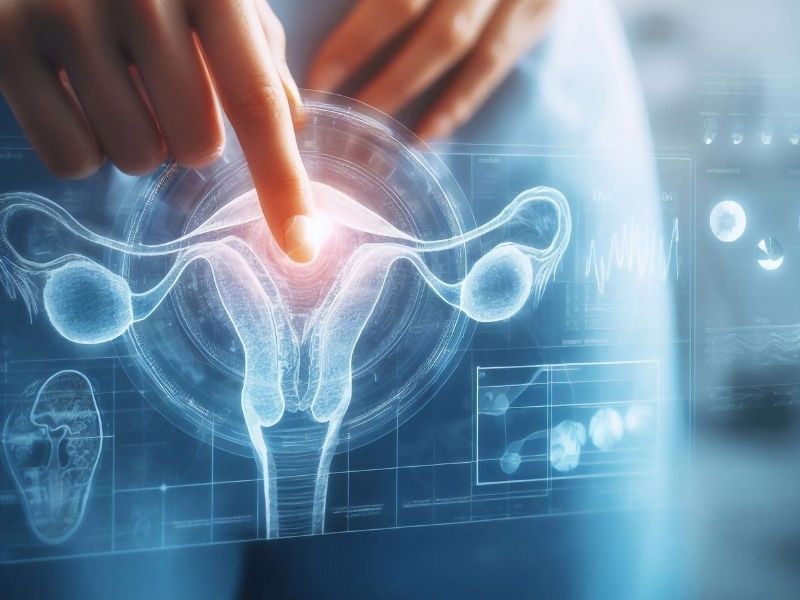
How Is Ovarian Reserve Measured?
Ovarian reserve can be measured in several ways. One of the most common tests is measuring the level of Anti-Müllerian Hormone (AMH). AMH is a hormone that directly reflects ovarian reserve and is measured with a blood test.
Follicle-Stimulating Hormone (FSH) and estradiol levels, measured on the third day of the menstrual cycle, also provide information about ovarian reserve. An antral follicle count uses ultrasound to determine the number of small follicles in the ovaries and shows the state of the reserve. These tests help evaluate a woman's fertility potential and determine her treatment options.
Symptoms of Low Ovarian Reserve
Low ovarian reserve often may not cause noticeable symptoms. However, some women may notice irregular periods, lighter periods or missed periods. Difficulty getting pregnant or recurrent miscarriages may also be signs of low reserve. Symptoms of early menopause, such as hot flashes, night sweats and sleep problems, may also occur. In addition, women with a family history of early menopause may be at risk.
Treatment Options for Low Ovarian Reserve
There are various treatment options for low ovarian reserve. Hormonal treatments aim to increase egg production by stimulating the ovaries. Medications used in assisted reproductive techniques, especially IVF, support the ovulation process. PRP (Platelet Rich Plasma) therapy may also be used to rejuvenate ovarian tissue. Natural approaches such as diet, stress management and vitamin supplements can also support the process. In cases of advanced age or severely low reserve, egg donation may be an option. The treatment plan is determined according to the woman's age, overall health and fertility goals.
The Relationship Between Polycystic Ovary Syndrome (PCOS) and Ovarian Reserve
Polycystic ovary syndrome (PCOS) is a hormonal disorder characterized by the formation of many small cysts in the ovaries, and it has a complex relationship with ovarian reserve. Although women with PCOS usually have a high ovarian reserve, egg maturation and regular egg release can be problematic. This can lead to fertility problems and irregular periods. PCOS can cause ovulation disorders and difficulty getting pregnant. For this reason, evaluating the ovarian reserve of PCOS patients is very important for creating appropriate treatment plans and optimizing fertility potential.
Low Ovarian Reserve and Early Menopause
Low ovarian reserve is an important factor that increases the risk of early menopause in women. While menopause normally occurs between the ages of 45 and 55, in women with low ovarian reserve this process can begin at a much younger age. Early menopause shows itself through symptoms such as irregular periods, hot flashes, sleep problems and emotional changes. It shortens the reproductive window and reduces the chance of getting pregnant. Early diagnosis and treatment can slow this process, or fertility can be preserved with alternative reproductive methods.
Ovarian Reserve and IVF Treatment
In IVF treatment, the ovaries are stimulated with special hormone medications in an effort to achieve the best possible results. Even when ovarian reserve is low, good-quality eggs can be obtained thanks to personalized treatment protocols and dose adjustments.
Today, thanks to advanced medical techniques and treatment methods, the chance of pregnancy for women with low ovarian reserve has increased significantly. In addition, alternative methods such as egg donation and embryo freezing can be used. The most important step in IVF treatment is creating a treatment plan tailored to the woman's individual needs. With specialist support and the right treatment methods, women with low reserve can also have a healthy pregnancy.