

A gynecological exam is used to assess the health of the organs of the female reproductive system. Gynecological exams are performed by obstetrician-gynecologists (OB-GYNs). During this exam, the ovaries, uterus, fallopian tubes, vagina, and labia are checked. A gynecological exam should be done once a year. This way, any gynecological condition that may be present can be diagnosed.
What Is Gynecology?
Gynecology is a branch of medicine that focuses on women's reproductive health and on diagnosis and treatment in this field. Gynecologists provide care to protect women's sexual health and to diagnose and treat gynecological conditions. It is the specialty women turn to for information about their concerns and for their annual routine exams. A gynecological exam can feel intimidating for many women; however, when it is performed in an appropriate setting and your doctor keeps you well informed, a gynecological exam is never something to be afraid of. A gynecological exam is very important for resolving problems related to your reproductive health and to organs such as the vagina and uterus. Gynecology in Ataşehir covers conditions such as irregular periods, fertility, pregnancy, the structure of the female reproductive organs, childbirth, and menopause. Surgical procedures involving the female reproductive organs are also part of gynecology.
What Conditions Do Gynecologists Treat?
Gynecologists deal with every condition involving the female reproductive organs. You should see a gynecologist for issues such as irregular periods, very painful periods, vaginal discharge with an unusual color or odor, or itching in the vaginal area. The conditions gynecologists treat include:

- Gynecologic cancers (cervical cancer, uterine cancer, and similar)
- Ovarian cysts,
- Polycystic Ovary Syndrome,
- Fibroids,
- HPV,
- Vaginal yeast infections,
- Pregnancy follow-up and conditions that occur during pregnancy,
- Premenstrual syndrome,
- Infertility,
- Menopause,
- Urinary incontinence,
- Vaginismus,
- Genital aesthetics
What Is a Gynecological Exam?
A gynecological exam is an evaluation of the female reproductive organs by an obstetrician-gynecologist specializing in gynecology. The purpose of the gynecological exam is to detect gynecological conditions in women. If you have any symptoms, you should consult an obstetrician-gynecologist directly. An obstetrician-gynecologist (OB-GYN) will listen to your concerns and guide you through the necessary tests, diagnosis, and treatment.
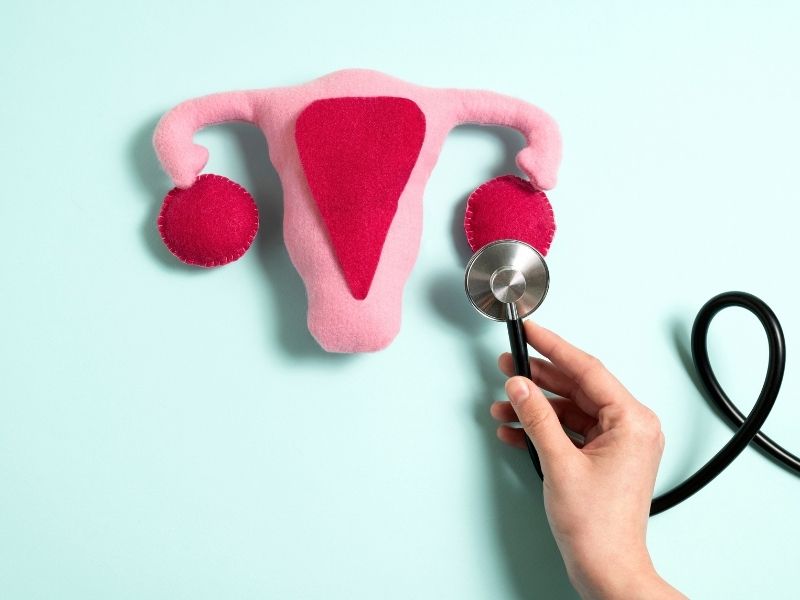
How Is a Gynecological Exam Performed?
In a gynecological exam, the doctor first listens to the reason for the patient's visit. Once the concern is understood, the patient lies down with her legs apart. The external genital area is examined and checked for any visible abnormality. The inner labia are gently held apart so that the urethral opening, the clitoris, and the hymen can be seen.
After an examination instrument called a speculum is placed in the vagina, the cervix becomes visible. It is then checked for any discharge or lesions. Any abnormality of the cervix is noted. A speculum is not inserted in people who have never had sexual intercourse.
After the visual examination, a Pap smear is performed. For the Pap smear, a sample is taken from the cervix using a stick-like instrument with a brush-shaped tip. The sample is then sent to a pathology laboratory for evaluation. After the Pap smear sample is collected, the doctor moves on to the manual (bimanual) exam. The doctor places one hand on the patient's abdomen and presses down, while holding the middle and index fingers of the other hand inside the vagina to evaluate the internal genital organs. After these steps, the doctor uses ultrasound for a more detailed assessment.
The Importance of a Gynecological Exam
A gynecological exam is an examination women should have regularly in order to maintain a healthy life. A gynecological exam allows evaluation of the reproductive system and screening for cancers, infections, and issues related to pregnancy and childbirth. Many women tend to avoid gynecological exams. The main reason for this avoidance is having to allow an unfamiliar person to examine an intimate area of the body. However, having a gynecological exam is very important for improving women's health.
Regular gynecological exams and check-ups with a gynecologist in Ataşehir are valuable for preventing possible diseases and diagnosing them early. Cervical cancer is one of the most common diseases in women and is often diagnosed at a very late stage. Women usually do not go for a gynecological exam until they notice a symptom; however, every woman should have a gynecological exam once a year.
What to Do Before a Gynecological Exam
When you see an OB-GYN for a gynecological exam, the doctor will ask about your concerns and symptoms and answer your questions. You can prepare ahead of time so you can ask your doctor about anything you are curious about and describe your symptoms fully.

Because a Pap smear may be performed during an OB-GYN exam, unless your doctor recommends otherwise, it is best to schedule your exam for the days after your period has ended. For about 2 days before the OB-GYN exam, you should completely stop using tampons, having sexual intercourse, and using any liquid, foam, or gel products inserted into the vagina, as well as any medicated creams or cleansing washes.
For people who have never had sexual intercourse, the doctor will choose an appropriate examination method. In these individuals, a vaginal exam is not performed except in certain situations; a rectal exam may be performed, or the evaluation may be completed with an abdominal ultrasound.
After a Gynecological Exam
After a gynecological exam, you may need to rest and avoid strenuous activity. It is important to follow your doctor's recommendations and pay attention to vaginal hygiene.
Light bleeding or spotting after a gynecological exam is common and normal. It will go away on its own within a few days. Likewise, mild abdominal and pelvic pain may occur. If you experience severe pain, foul-smelling discharge, or heavy bleeding after the exam, you should definitely see a doctor. This may indicate a complication such as an infection.
Gynecological Exam Costs
Gynecological exam costs can vary depending on many factors. They vary according to the experience of the doctor performing the exam, what the exam includes, and the location of the OB-GYN clinic. If a Pap smear, blood test, biopsy, or other procedure is performed along with the gynecological exam, the total fee can then be calculated.
