

Fibroids are usually benign tumors that develop from the muscular layer of the uterus in women of reproductive age. About 60–70% of women develop fibroids at some point in their lives.
This means that almost one in every two women faces this problem. But most importantly: although fibroids are benign, they can have serious consequences for women's physical and reproductive health.
Symptoms Caused by Fibroids and When Treatment Is Needed
Fibroids can cause different symptoms depending on their location and size:
- Heavy and irregular vaginal bleeding
- Pelvic pain, increased menstrual cramps
- Recurrent miscarriages
- Inability to get pregnant (infertility)
- Risk of preterm birth
- Constipation or pressure on the bowels
- Frequent urination, pressure on the bladder
- Pain during intercourse
- Bloating or a feeling of fullness in the abdomen
Having one or more of these symptoms may indicate that the fibroids now require surgical treatment. Especially in women who want to have children or want to keep their uterus, removing only the fibroid (myomectomy) should be preferred.
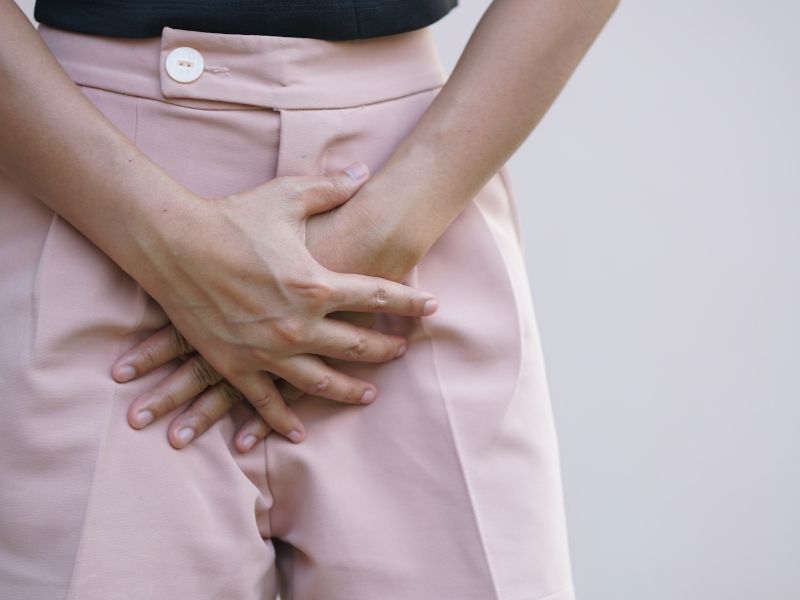
Is Fibroid Surgery Possible Without Removing the Uterus?
Yes, it is possible. With advanced modern surgical methods, removing only the fibroids while preserving the uterus can now be done safely. In these operations, the uterus is not removed; only the problematic tissue is cleared. This preserves fertility and also prevents the psychological and physical effects that removal of the uterus can have on women.
Prof. Dr. Çiğdem Yayla Abide, drawing on many years of experience in uterus-sparing fibroid surgery, creates a treatment plan tailored to each patient's condition. Before surgery, the number, size and location of the fibroids are determined with ultrasound or, if necessary, MRI. Based on this, the most suitable and safest personalized surgical approach is chosen.
Methods Used in Fibroid Surgery
Different surgical techniques can be used depending on the size, number and location of the fibroids:
- Minimally invasive (laparoscopic) fibroid surgery – a modern method performed through small incisions with the guidance of a camera.
- Vaginal fibroid surgery – can be performed in suitable patients without incision scars or stitches.
- Hysteroscopic fibroid surgery – removal of fibroids inside the uterus by entering through the cervix.
- Open fibroid surgery – preferred in cases with very large or very numerous fibroids.
- Fibroid surgery during a C-section – can be performed during delivery in suitable patients by experienced surgeons.
Each patient requires a different approach. That is why fibroid treatment should be planned individually.
Incision-Free and Stitch-Free Fibroid Surgery
One of the things women most want to know is how fibroid surgery, a fertility-preserving operation, is performed. Fibroid surgery, an incision-free and stitch-free, uterus-sparing, aesthetic treatment with fast recovery, is performed on all suitable patients.
With this method:
- No scar is left on the skin,
- No stitches are needed,
- The patient is up and walking the same day,
- She can return to daily life within a few days.
In addition, this method is one of the safest surgical approaches. The patient recovers quickly physically and, because the uterus is preserved, keeps her ability to have children.
The Goal of Fibroid Treatment Is to Preserve the Uterus and Womanhood
The goal of fibroid treatment is not only to remove the tumor but also to protect the woman's bodily integrity and reproductive health. Prof. Dr. Çiğdem Yayla Abide has performed successful uterus-sparing fibroid surgeries on many patients to date. Thanks to these operations, many women have gone on to have healthy pregnancies after surgery and experience motherhood.
Prof. Dr. Çiğdem Yayla Abide offers:
- International experience in fibroid surgery
- Expertise in uterus-sparing surgery
- A science-based, ethical, patient-centered approach
- Incision-free and aesthetic surgical techniques
- An individualized treatment plan for each patient
- Fast postoperative recovery and fertility preservation
Remember:
Fibroids are benign, but in some cases they can lead to serious consequences. With early diagnosis and the right treatment, you can preserve your uterus and take a step toward a healthy future. If you are told that "your uterus must be removed" to treat fibroids, be sure to get a second opinion. In most cases, fibroid surgery that preserves the uterus is possible.
