Uterus-sparing fibroid surgery is an important surgical approach chosen in the treatment of women with fibroid problems. This method allows patients to complete their treatment while protecting both their health and their quality of life.
What Is Uterus-Sparing Fibroid Surgery?
Uterus-sparing fibroid surgery is a surgical procedure that aims to preserve the uterus while removing fibroids, which are benign tumors that form in the uterus. This operation is especially suitable for women who are considering having children or who do not want to lose their uterus.
Fibroids can cause problems such as pain, heavy bleeding or infertility. During surgery, only the fibroids are removed, and the structure of the uterus is preserved intact. The surgery can be performed with methods such as laparoscopy or open surgery. In this way, the patient's quality of life improves and her chance of future pregnancy is preserved.
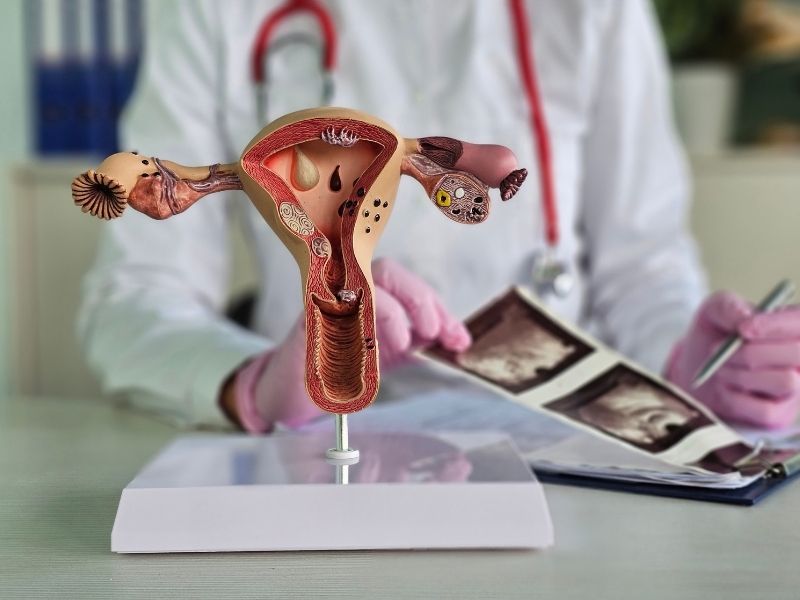
How Is Uterus-Sparing Fibroid Surgery Performed?
Before uterus-sparing fibroid surgery, the size, number and location of the patient's fibroids are evaluated. The surgery is usually performed under general anesthesia and can be done with different surgical methods. Laparoscopic myomectomy is performed through small incisions in the abdomen.
Hysteroscopic myomectomy is a method in which the fibroids are removed by entering the uterine cavity through the vagina, and it is suitable for fibroids close to the uterine cavity. Open myomectomy is a traditional method performed through a larger incision in the abdomen and is preferred for large or multiple fibroids. After surgery, the patient's fertility is preserved, and complaints caused by fibroids, such as pain and bleeding, are reduced.
Uterus-Sparing Fibroid Surgery and the Chance of Pregnancy
After uterus-sparing fibroid surgery, the uterus becomes more favorable for pregnancy. This increases the chance of getting pregnant naturally or with assisted reproductive techniques. However, women planning a pregnancy should generally wait a few months after surgery for the uterus to heal completely. With surgery performed under the care of an experienced physician and proper follow-up afterward, the chance of pregnancy can be significantly increased and a healthy pregnancy can be achieved.
Menstrual Cycle After Fibroid Surgery
Some changes in the menstrual cycle may occur after fibroid surgery. Depending on the type of surgery and the patient's overall health, temporary irregularities in the menstrual cycle may be seen. It is normal for periods to be more painful or heavier in the first few months. However, this usually improves over time, and periods become more regular. Complaints caused by fibroids before surgery, such as heavy bleeding, pain or irregular periods, largely disappear after surgery. Because the tissues inside the uterus take time to heal, it may take a few months for a regular menstrual cycle to return completely. If menstrual irregularities persist for a long time after surgery or other symptoms appear, it is important to see your doctor.
Fibroid Surgery and Sexual Life
After fibroid surgery, sexual life is generally affected positively once recovery is complete. Before surgery, problems caused by fibroids, such as pain, discomfort and bleeding, can make sexual intercourse difficult. With surgery, however, these complaints go away and the patient's sexual quality of life improves. It is recommended to avoid sexual intercourse for the first 4-6 weeks after surgery to support the healing process. During this time, the doctor's advice should be followed to allow the tissues to heal and to prevent possible infection. Once recovery is complete, a noticeable improvement in sexual desire and intimacy is usually seen.
Uterus-Sparing Fibroid Surgery and Menopause
Uterus-sparing fibroid surgery is also suitable for women approaching menopause or in menopause. When the uterus is removed, menopausal symptoms may begin earlier after surgery. This does not happen with uterus-sparing surgery, however, because the ovaries and uterus remain in place and the body's hormonal balance is preserved.
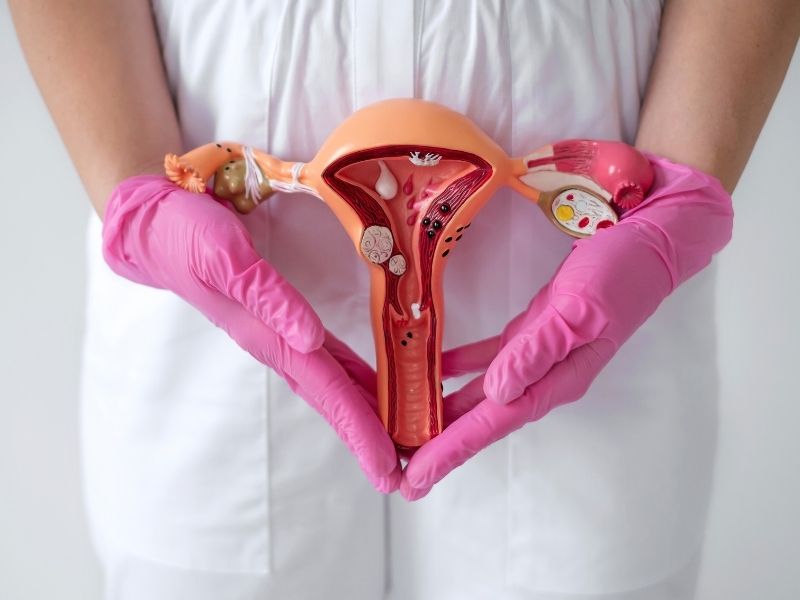
Although fibroids usually shrink during menopause, they may continue to cause problems in some women. This surgery relieves symptoms such as bleeding, pain and pressure caused by fibroids before or during menopause. In addition, because hormonal balance is not disrupted after surgery, the menopause transition goes smoothly.