

Endometriosis is a condition in which endometrium, the tissue that lines the inside of the uterus, is found somewhere other than inside the uterus. Endometrioma, or chocolate cysts, is when endometrial tissue is found inside the ovaries. The most common symptoms of endometriosis are chronic abdominal and pelvic pain or infertility. Endometriosis and endometrioma may cause no symptoms at all and may be diagnosed incidentally during an ultrasound or during surgery performed for another reason.
Apart from the ovaries (chocolate cysts), endometriosis is most often found on the fallopian tubes, the bowels, or the bladder, and it can cause symptoms related to these organs. Endometriosis (chocolate cysts) is an important cause of infertility and low ovarian reserve, and it can cause infertility in up to 20–40% of women.
Endometriosis treatment can be done in different ways; in other words, there is no single correct treatment method, and personalized endometriosis treatment should be provided. Endometriosis treatment generally involves managing symptoms with medication, surgical intervention, or both. Women with endometriosis and infertility are offered the option of IVF treatment.
What Is a Chocolate Cyst (Endometrioma)?
The lining of the uterus (endometrium) is the tissue that covers the inner surface of the uterus and thickens and sheds during the menstrual cycle. Thin at the end of a period, the uterine lining thickens if a pregnancy occurs to allow the fertilized egg to implant, and it supports the implantation and growth of the embryo. If no pregnancy occurs, the upper layers of this tissue are shed from the body during the period.
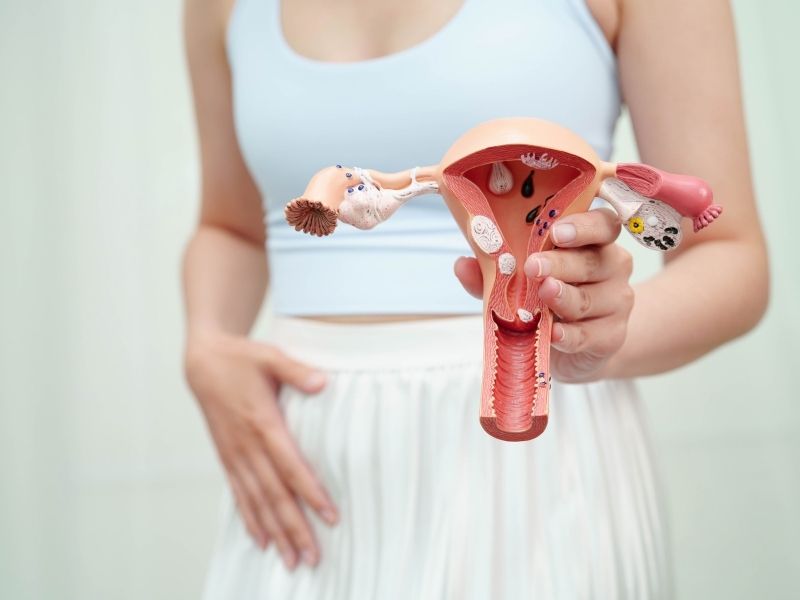
Endometriosis is a condition in which the uterine lining settles in areas other than inside the uterus, where it normally belongs. In this case, endometrium-like cells grow and shed in areas outside the uterine lining, which can cause symptoms such as pain, inflammation, and sometimes infertility.
Endometrioma is a type of endometriosis and usually forms in the ovaries. Endometrial tissue is normally found where the fertilized egg implants. However, in endometriosis, this tissue settles in the ovary and forms cysts there. These cysts are called endometriomas.
What Causes Endometrioma?
Endometrioma (chocolate cyst) occurs as a result of endometriosis. Although the exact cause of endometriosis is not fully known, certain factors are thought to contribute to the condition.
Factors such as genetic predisposition, hormonal imbalances, problems with the immune system (the defense mechanism that helps the body fight disease), injuries in the pelvic area, early onset of menstruation, long menstrual periods, never having given birth, and certain health problems can also increase the risk of endometriosis.
What Are the Symptoms of a Chocolate Cyst?
An examination by a physician experienced in endometriosis, along with ultrasound and MRI, is important for diagnosis. Ultrasound findings are open to interpretation, which is why the physician's experience is very important. Symptoms of endometrioma (chocolate cyst) are similar to those of other ovarian cysts. Symptoms may include:
- Abdominal and pelvic pain,
- Lower back pain,
- Leg pain,
- Painful periods,
- Heavy and prolonged menstrual bleeding,
- Nosebleeds during the period,
- Pain during sexual intercourse,
- Blood in the urine, a burning sensation when urinating,
- Blood in the stool,
- Constipation or diarrhea,
- Bruising on the body,
- It can also present as an inability to get pregnant, that is, infertility.
- Endometriosis can cause pain in the pelvic area, and this pain is usually related to the menstrual cycle.
- Endometriosis can cause pain during the menstrual period, and this pain may be more severe than normal period pain.
- It can cause pain during sexual intercourse.
- It can cause changes in the amount or duration of menstrual bleeding.
- Endometriosis can cause pain when urinating or pain during bowel movements.
- Endometrioma can cause abdominal swelling.
- Endometrioma can cause infertility or increase the risk of infertility.
Endometrioma symptoms can vary from woman to woman, and some women may have no symptoms at all. When symptoms appear, you should see a doctor.
How Is an Endometrioma (Chocolate Cyst) Diagnosed?
An endometrioma (chocolate cyst) can be diagnosed based on symptoms and medical history, as well as a physical examination and imaging tests. Your doctor may perform a pelvic exam to determine whether there is a cyst in your pelvic area. Ultrasound is an imaging test that helps visualize the pelvic area. Ultrasound can help determine the size and location of the cyst. MRI can determine the size and location of the cyst in greater detail.
Can a Chocolate Cyst Cause Infertility?
One of the most frequently asked questions is: 'How does endometriosis cause infertility?'
Chocolate cysts can cause infertility, and it may be possible to prevent this. However, not all patients with chocolate cysts are infertile.
Cysts that develop in the ovaries due to endometriosis are called endometriomas, or chocolate cysts. Endometrioma can cause infertility through low ovarian reserve, or severe abdominal pain. Surgery is not the first option in its treatment. Unlike with other ovarian cysts, in endometrioma surgery, healthy ovarian tissue can be damaged while the cyst is being removed from the ovary, and ovarian reserve may decrease somewhat after surgery. To keep this decrease to a minimum, it is important that the surgery be performed by a physician experienced in this field.
How Does Endometrioma Cause Infertility?
Endometriosis and endometrioma are conditions that can cause infertility and are difficult to treat. However, the relationship between endometriosis and infertility is not always clear. Endometriosis does not prevent ovulation; in fact, patients usually have regular periods.
- It can lower ovarian reserve. Ovarian reserve is lower especially when an endometrioma is present, and it can also lead to premature ovarian insufficiency.
- Endometriosis can cause adhesions in the abdominal organs, leading to blockage of both fallopian tubes
- By causing an inflammatory reaction in the abdomen, it can lead to an abnormal uterine lining and impaired egg and embryo quality.
Endometriosis treatment is based on the patient's symptoms. Women with endometriosis have a lower chance of getting pregnant naturally, so options such as IVF treatment or egg freezing may be offered to patients.
Endometriosis and Infertility Treatment
Endometriosis treatment depends on where the endometriosis is located and on the symptoms. Early diagnosis and treatment of the disease are important. Endometrioma can lead to lower egg quality and a reduced number of eggs. If endometriosis causes infertility, IVF or egg freezing is recommended. In cases of chronic abdominal pain, it may be necessary to release adhesions with minimally invasive (laparoscopic) surgery and, if there are masses in the bowel or other organs that may cause symptoms, to remove these masses. Having endometriosis (chocolate cyst) surgery performed by an experienced physician prevents or minimizes complications that may occur during surgery (bowel injury, bladder injury, etc.).
How Is Infertility Due to a Chocolate Cyst Treated?
Treatment for endometriosis or chocolate cysts should be personalized. The woman's symptoms are very important. For a woman with a chocolate cyst and infertility, the IVF treatment option should be offered after her age and other possible causes of infertility, such as male factor, have been investigated. Since there is no ovulation problem in endometriosis, treatments that stimulate egg growth and trigger ovulation are not recommended on their own. Intrauterine insemination (IUI) in endometriosis also has a low chance of success.
When a chocolate cyst and infertility are present, surgery is the last resort. However, if fluid accumulates in the fallopian tubes, surgery should be recommended before treatment to increase IVF success. If surgery is to be performed for a chocolate cyst, our preference is minimally invasive (laparoscopic) surgery, although open surgery can also be performed. Before surgery, efforts should be made to reduce symptoms with hormone therapy.
Women who have a chocolate cyst and low ovarian reserve, or who are over 35, and who wish to have children should be offered the option of egg freezing, or embryo freezing through IVF, before surgery.
Should Patients with Endometriosis Have Surgery or IVF?
Even experienced physicians can sometimes find it difficult to decide on treatment for this complex disease. There is no single way to treat endometriosis.
In patients who cannot use hormone therapies that suppress the disease, or whose symptoms continue despite using them, treatment may be surgical. Because endometriosis can cause adhesions severe enough to distort the anatomy, the bowel or bladder can be injured during endometrioma surgery. If the physician is experienced, the risk of organ injury is minimal.
When a chocolate cyst is removed surgically, ovarian reserve may decrease somewhat. For this reason, the decision to operate should be carefully considered. Surgery is recommended for chocolate cysts if there is severe pain, if ovarian cancer is suspected, or if there is swelling of the fallopian tubes, called hydrosalpinx. In the case of hydrosalpinx, the tubes should be tied off or made functional before IVF.
In cases of repeated IVF failure, the disease burden can also be reduced with diagnostic and operative laparoscopy.
Even if adhesions in the abdomen are released with surgery, they can recur. For this reason, and because of the risks of surgery, surgery is not the first option. Patients who will undergo surgery should be offered the option of egg freezing, or embryo freezing through IVF, before surgery.
Before chocolate cyst surgery, the egg reserve can be checked with tests such as the AMH test, and AMH can be monitored for evaluation after surgery.
What Is the Chance of Getting Pregnant After Chocolate Cyst Treatment?
After chocolate cyst surgery, ovarian reserve may decrease somewhat, but if the surgery is performed by an experienced physician, this decrease will not be significant. Factors such as the woman's age, ovarian reserve before surgery, duration of infertility, the size and location of the cyst, other effects of endometriosis, and the person's general health affect this process.
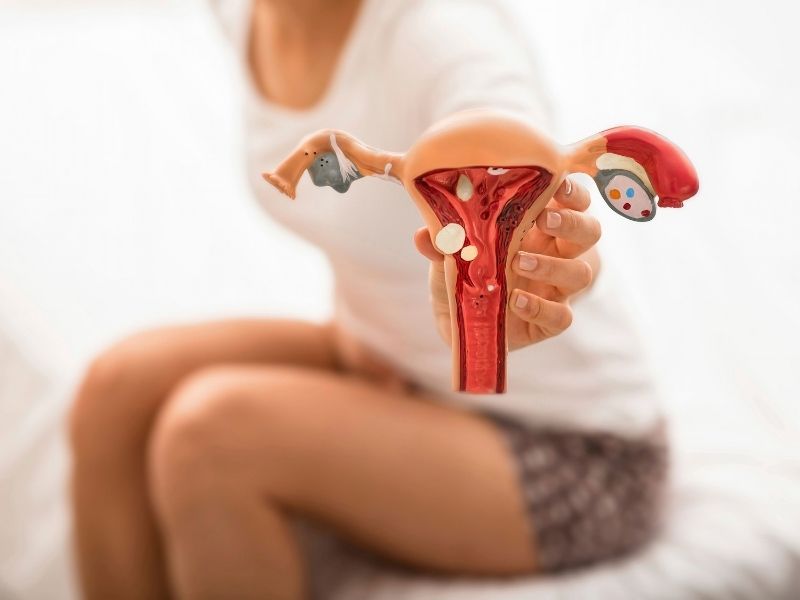
The goal of chocolate cyst treatment is to control symptoms, stop the cyst from growing, and, if possible, eliminate the cyst completely. Treatment is usually done with medication (for example, hormonal therapies), surgical intervention, or a combination of both. In some cases, fertility potential may increase after a chocolate cyst is surgically removed.
However, the chance of pregnancy after chocolate cyst treatment depends on a number of factors in the period following treatment:
- Success of the treatment: Whether the cyst has been successfully treated and whether the symptoms of endometriosis have been brought under control is important.
- Condition of the uterus and ovaries: Whether the uterus and ovaries were damaged during surgery can affect the chance of pregnancy.
- Ovarian reserve: A woman's ovarian reserve is a critical factor in determining the chance of pregnancy. The ovaries may have been damaged during or after endometriosis treatment, which can affect fertility.
- Partner's sperm quality: The partner's sperm quality can also affect the chance of pregnancy. If there is any problem with sperm quality, the chance of pregnancy may decrease.
- Other medical factors: Other medical factors such as the person's general health, age, weight, and hormonal balance can also affect the likelihood of pregnancy.
If pregnancy has not occurred naturally within 1 year after endometrioma surgery, IVF treatment is recommended.
Can IVF Be Performed in the Treatment of Advanced Endometrioma?
If pregnancy after chocolate cyst treatment does not occur naturally, IVF should be recommended. If there is permanent damage to the fallopian tubes due to adhesions, IVF should be recommended because natural conception will not be possible. If there is also fluid accumulation in the tubes, the tubes should be tied off before IVF to increase IVF success.
It is difficult to make a precise prediction about the chance of pregnancy after chocolate cyst treatment. However, after treatment, it is important to stay in regular contact with your healthcare provider and share your concerns about fertility. Your experienced doctor can help you take the right steps by recommending the most suitable treatment plan for you.
Endometriosis Treatment Costs in Istanbul
Endometrioma treatment can vary depending on the patient's condition, the severity of the disease, and the treatment options. Endometriosis treatment methods include medication, surgical intervention, and supportive therapies. Endometriosis treatment is usually managed by an obstetrician-gynecologist experienced in this field.
In vitro fertilization (IVF) is also a method couples turn to when they cannot conceive naturally. The costs of IVF treatment can vary from clinic to clinic, and depending on the technology used and the procedures included in the treatment. These prices generally include services such as medical consultations, medical tests, medications, surgical procedures, and embryo transfer.