

In vitro fertilization (IVF) is an assisted reproductive technique in which egg and sperm cells are brought together in a laboratory and the resulting embryo is transferred into the uterus. The first successful IVF procedure was performed in 1978, and the method became widespread in the following years as different techniques were developed.
IVF treatment is not made up of laboratory and medical procedures alone; it involves a series of consecutive stages, including evaluation, treatment planning, ovarian stimulation, egg retrieval, embryo development, and transfer. This article covers the basics of the IVF process; you can find more detail on each topic in the linked articles.
IVF treatment (in vitro fertilization) is an assisted reproductive technique in which an egg cell taken from the woman and a sperm cell taken from the man are fertilized in a laboratory. After fertilization, the developing embryo is transferred into the uterus.
One of the main questions couples hoping to have a baby ask is what IVF actually means. Before treatment begins, the couple's reproductive health is evaluated, and a personalized treatment plan is created based on the findings.
How Many Types of IVF Are There? IVF vs. ICSI
IVF treatment can use fertilization methods such as conventional IVF and ICSI (intracytoplasmic sperm injection). In conventional IVF, the eggs and sperm are placed together in the same dish in the laboratory, while in ICSI a single selected sperm cell is injected directly into the egg cell.

ICSI may be preferred particularly in certain cases involving problems with sperm count, motility, or morphology. Which method is used depends on the results of the couple's evaluation. For detailed information on other approaches used in IVF, see our article on IVF Treatment Methods.
Who Is IVF For?
An infertility evaluation may be done when pregnancy has not occurred after about one year of regular unprotected intercourse in couples under 35, or after about six months in women over 35. Depending on age, ovarian reserve, and existing health problems, an earlier evaluation may be needed.
IVF treatment may be considered in some of the following situations:
- Blocked fallopian tubes
- Low ovarian reserve
- Advanced maternal age
- Problems with sperm count, motility, or morphology
- Unexplained infertility
- No success with previous treatments
- Ovulation problems such as polycystic ovary syndrome (PCOS)
- Assessing the risk of passing on certain genetic diseases
You can read about the situations in which IVF treatment may be considered in more detail in our article Who Is IVF For?.
How Is IVF Done?
The treatment process usually begins with stimulating the ovaries with medication. The developing eggs are monitored, and egg retrieval is performed at the right time. The retrieved eggs are fertilized with sperm cells in the laboratory, and the resulting embryos are monitored for their development.
Depending on embryo characteristics and the treatment plan, the selected embryo or embryos are transferred into the uterus at the appropriate time. The 4 main stages are ovarian stimulation, egg retrieval, fertilization, and embryo transfer. For a detailed look at the process, see our article How Is IVF Done?.
As with any surgical or interventional procedure, results may vary from person to person. It is recommended that you get a detailed opinion from your doctor before the procedure.
Preparing for IVF
Before IVF treatment, depending on the couple's health status, hormone tests, ultrasound evaluation of the follicles, HSG (hysterosalpingography, an X-ray of the uterus and tubes with contrast dye), a semen analysis, and any necessary blood tests may be planned. Hormonal disorders, structural problems inside the uterus, and other conditions that could affect treatment are evaluated.
Weight management, quitting smoking and alcohol, a balanced diet, healthy daily habits, and a dental and oral health checkup are important for overall health. For detailed information on the evaluations done before IVF, see our article What to Do Before IVF.
IVF Medications and Injections
Different medications may be used at different stages of IVF treatment to stimulate the ovaries, mature the eggs, and support the uterine lining after embryo transfer. The type of medication, how it is given, and the dose are determined according to the person's age, ovarian reserve, previous treatments, and current health status.
For detailed information on the medications used in treatment and how they are administered, see our article IVF Medications.
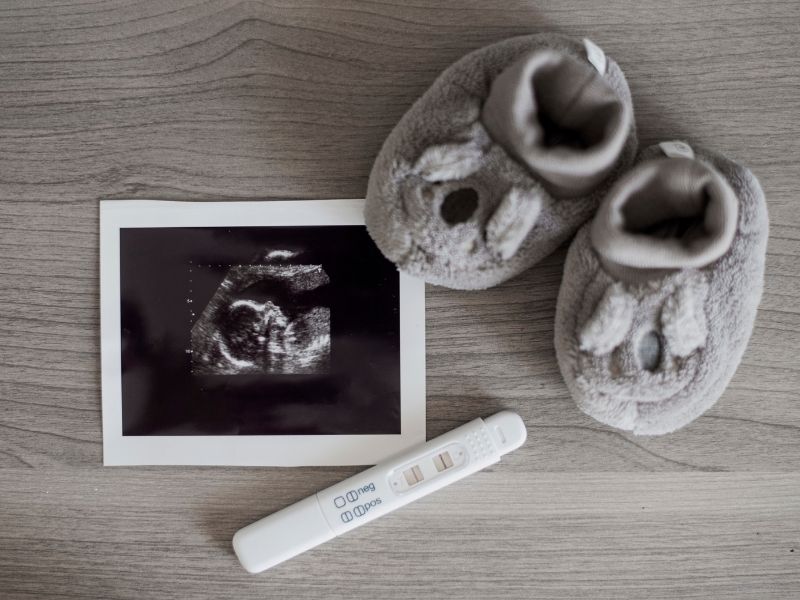
The Process After Embryo Transfer
After embryo transfer, it is important to take the medications recommended by your doctor exactly as directed. Pregnancy is usually assessed by measuring beta hCG in the blood 10–12 days after the transfer.
You can find information on daily life after the transfer in What to Do After Embryo Transfer, on possible symptoms in Implantation Symptoms After Embryo Transfer, and on determining the week of pregnancy in IVF Pregnancy Calculator.
IVF Success Rate
There is no single success rate for IVF treatment. Results can vary depending on many factors, such as the woman's age, ovarian reserve, egg and sperm characteristics, embryo development, the cause of infertility, and treatment history.
For the factors that affect success rates, see our article IVF Success Rate, and for cases in which several treatment attempts have been unsuccessful, see Recurrent IVF Failure.
Risks of IVF Treatment
As with any medical procedure, some unwanted effects can occur with IVF treatment. These may include side effects of the medications used, ovarian hyperstimulation syndrome (OHSS), multiple pregnancy, and rare complications related to the egg retrieval procedure.
Risks can vary depending on your personal health status and the treatment protocol used. For detailed information, see our article Risks of IVF Treatment.
How Is Sperm Collected From the Man for IVF?
The sperm sample is usually collected by masturbation after the period of sexual abstinence recommended by the laboratory. The sample is evaluated in the embryology laboratory, and the sperm cells that can be used for fertilization are prepared.
In cases such as azoospermia, where there is no sperm in the semen, surgical sperm retrieval methods such as MESA, PESA, TESA, or TESE may be considered. For details, see our articles Sperm Retrieval Methods in IVF and What Is Azoospermia?.
What to Look for When Choosing an IVF Center
When planning IVF treatment, factors to consider include whether the healthcare facility is licensed under the relevant regulations, the infrastructure of the embryology laboratory, whether the treatment process is clearly explained, and whether the follow-up plan is easy to understand.
Because the treatment plan is personalized, it is important that the first evaluation considers the cause of infertility, previous test results, and any treatments received before.
