

Polycystic ovary syndrome (PCOS) is not just a hormonal disorder. The gut microbiota, the hormone GLP-1, insulin resistance and diet directly affect the course of PCOS. By strengthening your microbiota, you can help restore your hormonal balance.
What Is Polycystic Ovary Syndrome?
Polycystic ovary syndrome (PCOS) is a common hormonal imbalance in women. It is not limited to the formation of cysts in the ovaries; it is a systemic condition that affects the body's metabolic, hormonal and immune systems.
In PCOS, levels of estrogen (estradiol) decrease while testosterone increases. This shift affects not only the menstrual cycle but also the gut flora, the nervous system and metabolism.
What Are the Gut Microbiota and Dysbiosis?
The trillions of beneficial bacteria living in our gut play an important role in digestion, immunity and hormonal balance.
The healthy balance of these microorganisms is called the microbiota, and the disruption of this balance is called dysbiosis.
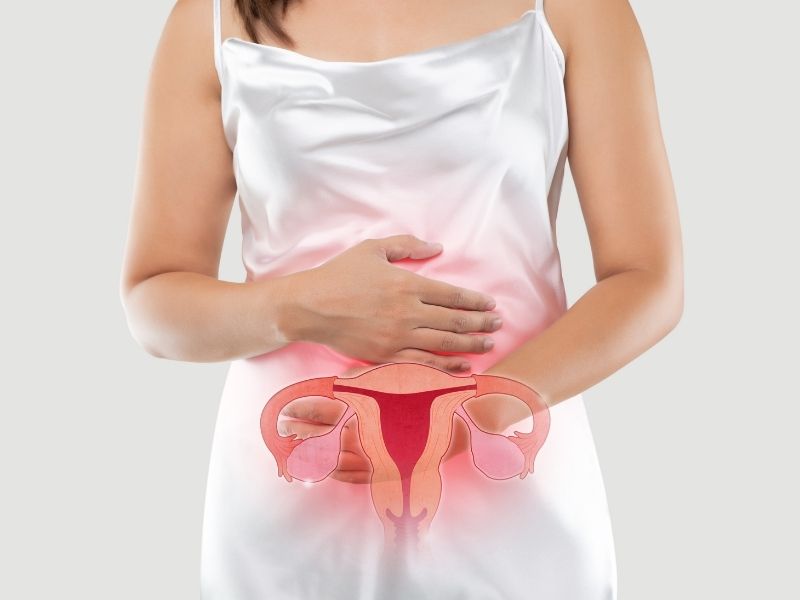
When dysbiosis develops, the following may occur:
- Gastroesophageal reflux
- Bacterial or fungal overgrowth in the small intestine (SIBO / SIFO)
- Irritable bowel syndrome (IBS)
- Immune system imbalances
A healthy gut flora is essential for maintaining hormonal and metabolic balance in PCOS.
The Link Between PCOS and the Microbiota
In PCOS, decreased estradiol and increased testosterone affect the autonomic nervous system. The sympathetic system (the stress response) becomes overactive, while the parasympathetic system (the relaxation response) becomes underactive. This triggers both stress and bowel motility problems. When the gut flora is disrupted, harmful bacteria produce endotoxins. These substances enter the bloodstream and lead to chronic inflammation.
Consequences of chronic inflammation:
- Insulin resistance
- Weight gain
- Fatty liver
- High cholesterol
- Cardiovascular disease
- Anxiety, depression, sleep disorders
In addition, gut cells produce the GLP-1 hormone. GLP-1 creates a feeling of fullness and regulates blood sugar balance.
If GLP-1 decreases as a result of dysbiosis, appetite increases, and weight gain and insulin resistance may develop.
GLP-1 Agonists and Their Use in PCOS Treatment
In some patients with PCOS, GLP-1 agonists (for example, tirzepatide – Mounjaro, Zepbound, or semaglutide – Wegovy, Ozempic) may be used for weight control and insulin resistance.
These medications should be evaluated under a doctor's supervision and included in a personalized treatment plan. However, the most effective approach is to balance the microbiota naturally and change your eating habits.
Dietary Tips to Strengthen the Microbiota in PCOS
1. Eat a mainly plant-based diet:
Fiber-rich foods increase GLP-1, feed the good bacteria and help you feel full.
2. Have breakfast 2 hours after waking up, not immediately.
This helps regulate insulin balance.
3. Eat your largest meals in the first half of the day.
Finish dinner early in the evening.
4. Leave a 13-hour gap between dinner and breakfast (intermittent fasting style).
5. Follow an elimination diet for 6 months:
- Reduce animal-based foods,
- Increase plant proteins (legumes, quinoa, buckwheat, lentils).
Foods That Support the Microbiota
Fiber and Plant Foods
- Legumes (lentils, chickpeas, beans, cranberry beans)
- Buckwheat, quinoa, millet, ancient grains
- Corn (especially fresh white corn)
- Root vegetables (sweet potatoes, beets, carrots)
- Leafy green vegetables
- Garlic, onions, leeks, asparagus
- Cabbage, broccoli, cauliflower, Brussels sprouts, turnips
Fruits
- Watermelon, cantaloupe, pomegranate, mango, papaya
- Green (slightly unripe) bananas, oranges, apples, peaches, plums, pears
Probiotic Foods
- Fermented vegetables: pickled cabbage (sauerkraut), kimchi
- Homemade fermented vegetables (carrots, beets, cucumbers, etc.)
Supplements That Support the Microbiota
Supplements that may be used in suitable patients on the recommendation of a doctor or dietitian:
- Berberine
- L-glutamine
- DIM (Diindolylmethane)
- Zinc
- Butyrate and short-chain fatty acids
These supplements strengthen the microbiota and reduce inflammation by reducing "leaky gut," that is, increased intestinal permeability.
Conclusion: Gut Health Plays a Key Role in PCOS Treatment
Polycystic ovary syndrome (PCOS) is not just a hormonal disorder but a systemic condition that affects the gut-brain-hormone axis. Balancing the gut microbiota is very important for insulin resistance, weight control and hormonal balance. By supporting the microbiota with the right diet, fermented foods, probiotics and lifestyle changes, PCOS symptoms can be significantly relieved.
