

Fibroids, one of the most common uterine conditions in women, are usually benign, but as they grow they can cause serious problems such as pain, irregular bleeding and fertility issues. Today, laparoscopic fibroid surgery is one of the modern methods of choice for treating these problems. Performed using a laparoscopic technique, this surgery both increases patient comfort and significantly shortens recovery time. Thanks to advanced surgical instruments, the uterus is preserved, scarring is kept to a minimum and the patient can return to daily life within a short time.
What Is Laparoscopic Fibroid Surgery?
Laparoscopic fibroid surgery, known medically as laparoscopic myomectomy , is a modern surgical method. It aims to remove benign tumors called fibroids that form in the uterus. Fibroids are growths that develop in the muscular layer of the uterus and are usually seen in women of reproductive age. In laparoscopic fibroid surgery, no large incision is made in the abdomen; instead, the operation is performed through a few small openings using a special camera and surgical instruments. This technique offers the patient less pain, a shorter recovery time and a lower risk of complications.
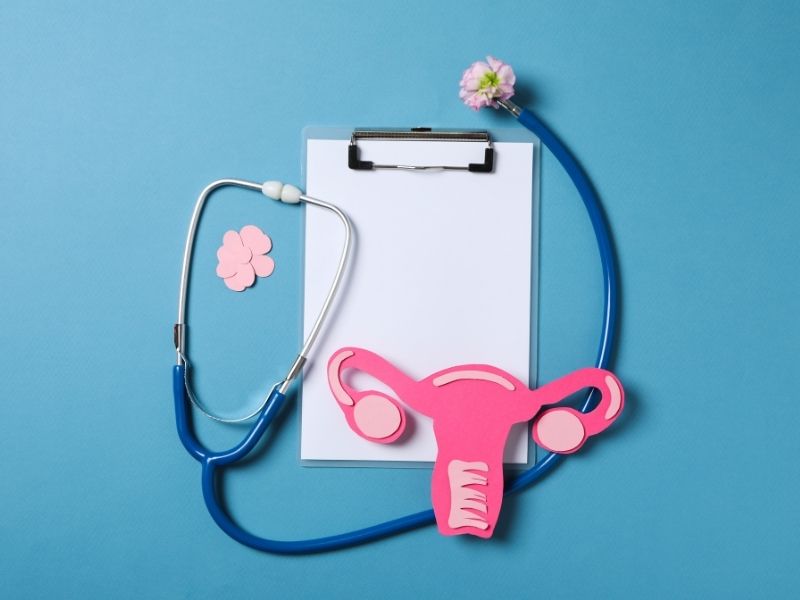
Today, laparoscopic fibroid surgery is one of the most widely preferred alternatives to open surgery. This method preserves the uterus and does not harm a woman's fertility potential. It is therefore a highly advantageous treatment option, especially for women who want to have children.
Why Is Laparoscopic Fibroid Surgery Performed?
Laparoscopic fibroid surgery is preferred when fibroids cause physical or hormonal problems. In some cases, fibroids can progress without causing any symptoms; however, when they grow or distort the uterine cavity, they can lead to serious complaints.
Symptoms such as heavy menstrual bleeding, pelvic pain, abdominal bloating, frequent urination, constipation, pain during intercourse and infertility may occur. Doctors turn to laparoscopic fibroid surgery when fibroids are the cause of these complaints and medication has not been effective. In addition, fast-growing fibroids, fibroids suspected of turning cancerous, and fibroids affecting the uterine wall in women planning a pregnancy also require surgery. Surgery performed with the laparoscopic method resolves these problems while also providing better cosmetic results.
What Should You Pay Attention to Before and After Laparoscopic Fibroid Surgery?
Before laparoscopic fibroid surgery, the patient's general health should be evaluated in detail. Before the operation, the doctor may order blood tests and imaging studies such as ultrasound or MRI. These tests provide information about the size, number and location of the fibroids. Before the operation, the patient is advised not to take blood thinners, to quit smoking and to make any necessary changes to her diet.
On the day of surgery, the patient is usually operated on under general anesthesia. Mild abdominal pain, gas or bloating may be felt during the first few days after surgery. These are normal and pass quickly. Medications recommended by the doctor should be taken regularly, and strenuous exercise and sexual intercourse should be avoided in the first days. The patient can usually return to normal life within 1–2 weeks.
The most important point in the postoperative period is keeping the incision sites clean and being careful about the risk of infection. Attending follow-up appointments with the doctor on time is also very important for a healthy recovery.
How Is Laparoscopic Fibroid Surgery Performed?
Laparoscopic fibroid surgery is performed using a laparoscopic surgical technique. In this method, the surgeon makes a few small incisions in the belly button and the lower abdomen. One of these incisions is for inserting the laparoscope, a high-resolution camera. Thanks to the camera, the surgeon can see the uterus and surrounding tissues in detail on a screen.
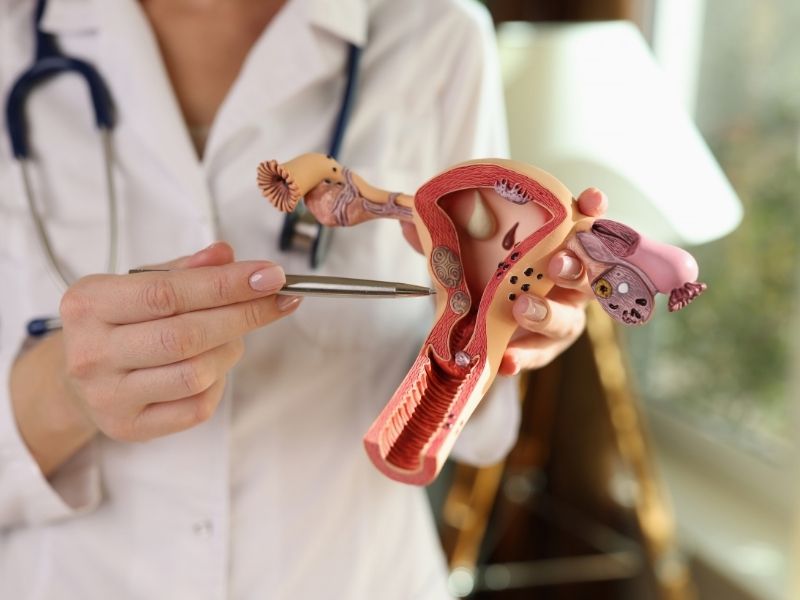
Special surgical instruments are inserted through the other small incisions and the fibroids are carefully removed. Depending on the size and location of the fibroid, it may sometimes be cut into pieces and removed. The uterus is preserved throughout the procedure, and tissue loss is kept to a minimum.
The surgery usually takes 1 to 2 hours. Depending on the patient's general condition, she may be discharged the same day or the next day.
Compared with open surgery, this technique stands out for causing much less pain, less blood loss and a shorter recovery time. Also, because no large incision scar is left on the abdomen, patients strongly prefer it for cosmetic reasons as well.
What Are the Advantages of Laparoscopic Fibroid Surgery?
The greatest advantage of laparoscopic fibroid surgery is that it is a minimally invasive method. In other words, maximum benefit is achieved with the least possible harm to the body. Thanks to this technique, patients return to their daily lives much faster than after open surgery. Pain and bleeding are minimal, the hospital stay is shorter and the risk of infection is minimized.
In addition, uterine tissue is preserved in laparoscopic procedures. This allows fertility to be maintained. Women can usually go ahead with their pregnancy plans within a short time after surgery. This method also offers a major cosmetic advantage, as it leaves only small, nearly invisible marks on the skin.
Another important advantage is the low risk of adhesions after surgery. This especially reduces the risk of future abdominal pain and infertility. Thanks to modern surgical equipment and high-resolution imaging systems, the surgeon can easily detect and remove even the smallest fibroids.
Laparoscopic fibroid surgery is a method that increases both patient comfort and surgical success rates. Today, many gynecologists recommend this method as the first choice for suitable patients.
